Tear Stains in Cats: Causes, Treatment, and Prevention Tips
Last Updated on January 4, 2026 by Holly Anne Dustin
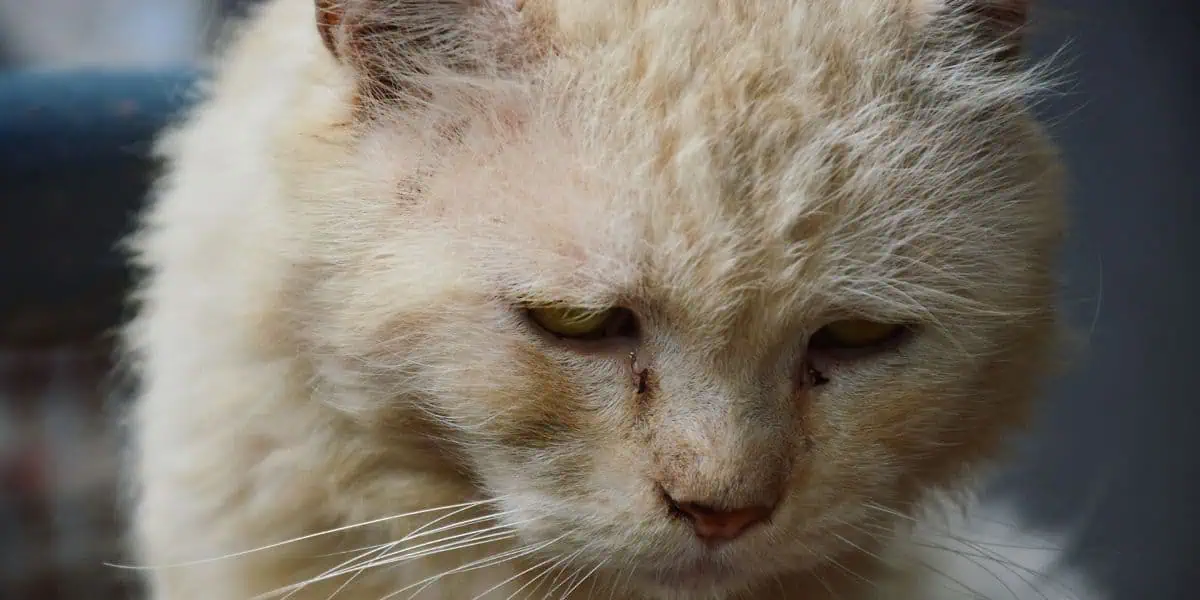
Are tear stains marring Kitty’s beautiful face? Tear stains on cats are a common issue among cats and can leave a dark or reddish stain on their fur, making them look perpetually teary-eyed and poorly groomed. Tear stains can be quite a nuisance, especially for show cats. But tear stains don’t only affect your cat’s looks but also potentially cause infection, discomfort, and irritation.
Contents
- 1 What Are Tear Stains On Cats?
- 2 What Causes Tear Stains on Cats?
- 3 The Importance Of Addressing Tear Stains
- 4 Removing Tear Stains From Cat Coats
- 5 Tear Stain Treatment Products
- 6 Preventing Tear Stains In Cats
- 7 When To Consult A Veterinarian About Tear Stains
- 8 Tips For Keeping Your Cat’s Eyes Clean And Healthy
- 9 Summary
What Are Tear Stains On Cats?
Tear stains are the reddish marks on Kitty’s fur on her face, most pronounced under her eyes. It isn’t just the white Persians or flame point Himalayans that get tear stains, although that is the stereotype. It is most obvious on white or light colored cats, but it happens to dark furred cats too, you just can’t see the discoloration as much. Even a black Persian like my Plush can be affected
Excessive tearing, known as epiphora, occurs when the tear ducts are unable to drain tears properly. Instead, the tears overflow onto the fur, causing the stains. Tear stains are not limited to the area under the eyes; they can also appear on the chin, around the mouth, on Kitty’s chest, and even on her paws. Understanding the root cause of tear stains is crucial in devising an appropriate treatment plan.
What Causes Tear Stains on Cats?
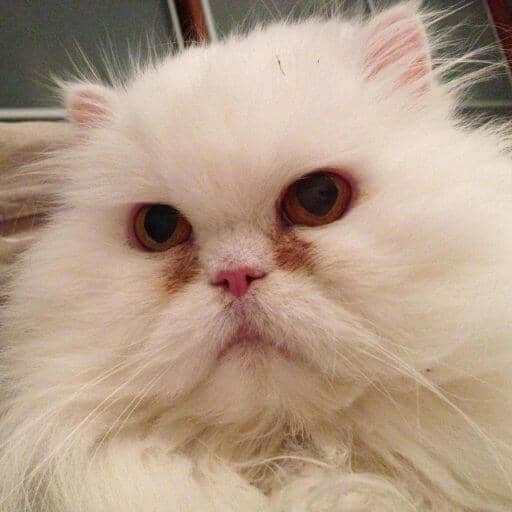
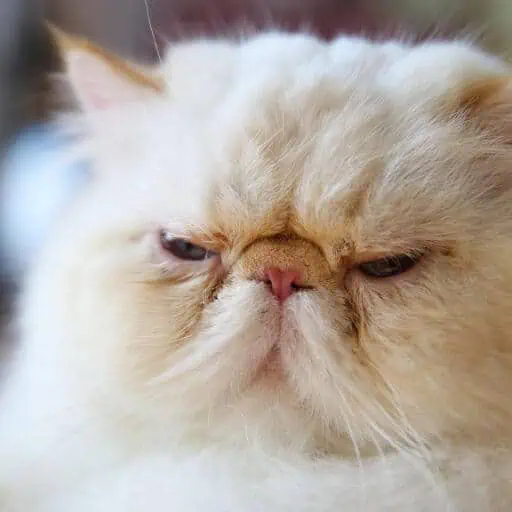
Tear stains can occur in cats due to various reasons. One common cause is genetics. Brachycephalic cat breeds, such as Persians and Himalayans, are more prone to developing tear stains due to the shape of their heads and the way their tear ducts are positioned.
Other factors that can contribute to tear stains include allergies, eye infections, physical imperfections, and blocked tear ducts. Environmental allergic reactions to pollen, cleaners, air fresheners, and dust can cause inflammation and irritation in the eyes, leading to increased tearing and the formation of tear stains.
Tear stains that are accompanied by other symptoms, such as redness, swelling, or discharge, may indicate an underlying eye infection such as conjunctivitis can cause excessive tearing and the formation of tear stains. These infections can be caused by bacteria, viruses, or foreign objects in the eye.
Some cats have physical abnormalities such as entropion (inward rolling of the eyelid) or distichiasis (abnormal growth of eyelashes) or blocked tear ducts that can contribute to tear staining. The pain and inflammation of teething can lead to increased tearing in kittens. This temporary increase in tearing causes tear staining on light fur.
Identifying the underlying cause of tear stains determines the most effective treatment plan for your cat. Consult with a veterinarian to rule out any underlying health conditions before addressing tear staining as a grooming problem.
The Importance Of Addressing Tear Stains
While tear stains might seem like a minor issue, especially if you don’t have a show cat, they can actually have a significant impact on your cat’s overall well-being.
Excessive tearing can lead to skin irritation, yeast, secondary infections, and discomfort for your cat. The moisture of tear stains also attracts dirt and bacteria. By addressing tear stains and their underlying causes, you can not only improve your cat’s appearance but also enhance their comfort, health, and well-being.
This post may contain affiliate links. Life and Cats is a Chewy affiliate and a member of the Amazon Associates program and as such we earn a small commission when you shop through our our links and banners. It doesn’t change the amount you pay. You can read our full disclosure policy here.
Removing Tear Stains From Cat Coats
There are several tear stain removers specifically designed for cats on the market. These products are formulated to effectively remove tear stains without causing any harm to your cat’s delicate skin and eyes.
These products come in the form of shampoos, wipes, gels, or powders, and are designed to effectively remove tear stains on cats and prevent their recurrence. When choosing a commercial tear stain remover, consider the following:
- Look for products that contain safe ingredients. Avoid products that contain harsh chemicals like bleach or peroxide or additives that may cause irritation or allergic reactions.
- Don’t choose a tear stain remover that includes an antibiotic like Tylosin without the advice of your vet. It can lead to antibiotic resistance.
- Choose a product that is easy to use and suits your cat’s temperament. Some cats may tolerate wipes better than gels or powders, while others may prefer a different application method.
- Look for effective products that have a proven track record of successfully removing tear stains on cats and preventing their recurrence.
- Consult with a veterinarian or professional cat groomer. Your vet can recommend a product that is suitable for your cat’s specific needs and advise on proper usage.
It’s important to follow the instructions provided by the manufacturer when using commercial tear stain removers. Incorrect use can cause irritation or damage Kitty’s eyes. If you have any concerns or notice any unusual reactions, discontinue use and consult with a veterinarian.

Tear Stain Treatment Products
I have used the following three product lines with good results. Eye Envy is the stand-out product, easily available, and effective. Castle Bath’s Anna line is just as effective and easy to use but must be purchased directly from the manufacturer. Pink Paw Pal is a newer and very popular product which also must be purchased directly from their manufacturer. I found it more difficult to use and less effective than the other two options. There are other products on the market but I don’t have specific experience with them.
Eye Envy
This product line is a leading tear stain remover that has been used by cat groomers and cat fanciers for years. Eye Envy contains natural ingredients that gently break down the stains and prevent their recurrence. It’s easy to use, simply apply a small amount to an applicator pad or soft cloth and gently wipe away the tear stains.
For severe staining, there is a facial wash product as well. For best effect, use with Eye Envy Powder to keep Kitty’s face dry to prevent further problems.
Eye Envy Tear Stain Remover is safe for regular use and does not contain any harsh chemicals like bleach, peroxide, whitening agents, or antibiotics.
Castle Baths Anna Tear Stain Solutions
Another excellent option for removing tear stains on cats is the Anna Line from Castle Baths. This product is specifically formulated by Laura Thomas, an award-winning Persian breeder, to address tear staining on her white Persians. It helps to reduce the production of tears and remove existing stains.
The Anna Tear Stain Solution is gentle on your cat’s skin and eyes, making it suitable for long-term use. The product is not designed to stop and or treat tearing but to remove the tear stains on your cat’s fur.
Like Eye Envy, Castle Bath’s three step process includes a weekly face shampoo to remove any crusty stuff, a face wash solution to apply with an applicator pad or cloth before it can stain the fur. Use as needed throughout the day. The more you use it, the better it works, especially for deep staining. The third step is a grooming powder that will keep Kitty’s face dry and actually deoxidize the stains.
Pink Paw Pal
Walk through the Persian aisle in the cat show hall and you’ll see Eye Envy and Anna, and a newer entry to the eye care and grooming product: PinkPawPal. PinkPawPal’s eye and facial cleanser and Wink Eye Powder is a chamomile-based product. The cleanser can be used as often as necessary to remove deep set stains. The Wink Eye Powder keeps Kitty’s face dry and reduces inflammation.
When choosing a commercial tear stain remover, it’s important to read the ingredients carefully and opt for products that are free from harmful chemicals and irritants. Always follow the instructions provided by the manufacturer for the best results.
Preventing Tear Stains In Cats
Prevention is better than cure when it comes to tear stains. It is preferable to keep Kitty’s face clear rather than try to remove stains later. While some factors, like the shape of Kitty’s face, cannot be changed, there are steps you can take to minimize the occurrence of tear stains in your cat.
Grooming:
One crucial step is to keep your cat’s face clean and dry. Regularly wipe away any excess tears using a soft cloth wipe with the product of your choice. This helps to prevent the tears from accumulating and staining your cat’s fur.
Additionally, make sure your cat’s eyes are free from any debris or discharge. Gently clean the corners of their eyes using a damp cloth or cotton ball. This helps to prevent the buildup of bacteria and reduce the risk of infections.
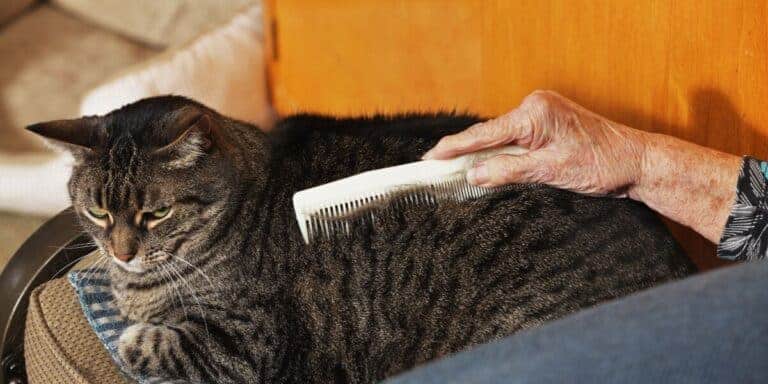
Use a tiny comb to groom Kitty’s eye area and remove all the build-up. You can trim excessive fur around your feline friend’s eyes if he tends to grow an excessive amount of hair that might poke him in the eye or collect buildup. Be sure you use small blunt tipped scissors. Contact a professional groomer if scissors, even blunt tipped ones, around your furbaby’s eye makes you nervous.
Avoid Potential Allergens:
If your cat has known allergies, make an effort to minimize their exposure to potential allergens, such as pollen, dust, or certain foods. Consult with a veterinarian to determine the best course of action for managing your cat’s allergies.
By implementing these preventive measures, you can help reduce the likelihood and severity of tear stains in your cat, keeping them looking their best and promoting their overall well-being.
Tear Stain Supplements for Cats
In addition to grooming techniques and tear stain remover products, you can try to reduce tear stains by improving Kitty’s overall health. Start with a good quality diet without artificial colors or beet pulp which can cause staining. In addition, there are supplements available that may help reduce tear stains in cats.
These supplements are typically formulated with ingredients that promote eye health and reduce tear production. Before considering tear stain supplements, it’s important to consult with a veterinarian to ensure they are appropriate for your cat’s specific needs. Here are some commonly used tear stain supplements:
- L-lysine is an amino acid that is commonly used to support immune function and reduce the severity of viral infections. It may help reduce tear production and the formation of tear stains in cats.
- Omega-3 fatty acids have anti-inflammatory properties and are beneficial for overall eye health. They can help reduce eye inflammation and tear production, potentially reducing the severity of tear stains.
- Probiotics are beneficial bacteria that support gut health and overall immune function. They can help address underlying digestive issues that may contribute to tear stains in some cats.
- Herbal supplements, like Angel Eyes Plus, contain eyebright or bilberry extract, are believed to have soothing and antioxidant properties that can promote eye health and reduce tear staining.
It’s important to note that tear stain supplements may not be effective for all cats, and results may vary. Always consult with a veterinarian before introducing any new supplements into your cat’s routine.

When To Consult A Veterinarian About Tear Stains
While most tear stains can be addressed at home, sometimes you need a vet’s help. If you notice any of the following signs, it’s advisable to consult your veterinarian:
* Excessive tearing accompanied by redness, swelling, or discharge.
* Changes in your cat’s behavior, such as increased rubbing of the eyes or pawing at the face.
* Persistent tear stains that do not improve with commercial tear stain removers.
* Any other concerning symptoms or changes in your cat’s overall health.
Your veterinarian will be able to assess your cat’s condition, perform any necessary tests, and recommend appropriate treatment options.
Tips For Keeping Your Cat’s Eyes Clean And Healthy
Apart from addressing tear stains, it’s important to keep your cat’s eyes clean and healthy to prevent any potential issues. Here are some tips to help you maintain optimal eye health for your feline companion:
- Regularly inspect your cat’s eyes for any signs of redness, discharge, or swelling. If you notice any abnormalities, consult your veterinarian.
- Keep your cat’s face clean by gently wiping away any debris or discharge using a soft cloth or cotton ball.
- Avoid using harsh chemicals or irritants near your cat’s eyes. Opt for gentle, pet-safe products when cleaning their face.
- Provide a well-balanced diet that includes essential nutrients for eye health, such as vitamin A and omega-3 fatty acids.
- Ensure your cat has access to fresh, clean water at all times. Proper hydration is crucial for overall health, including eye health.
- Regularly groom your cat to prevent the accumulation of dirt and debris around their eyes.
By following these tips, you can help keep your cat’s eyes clean, healthy, and free from potential issues.
Summary
Tear stains on cats can be a persistent problem, especially in light colored cats, but with the right approach, they can be effectively managed and minimized.
By understanding the causes of tear stains, implementing preventive measures, commercial tear stain treatment products, practicing proper grooming techniques, and seeking veterinary guidance when necessary, you can help eliminate tear stains and restore your cat’s bright and vibrant appearance.
Tear stains are not just a cosmetic issue for show cats; they can also indicate underlying health concerns. With patience, consistency, and a proactive approach, you can bid farewell to tear stains and say hello to a happier and healthier feline friend!