Discovering The Ocicat Breed: Playful and Affectionate
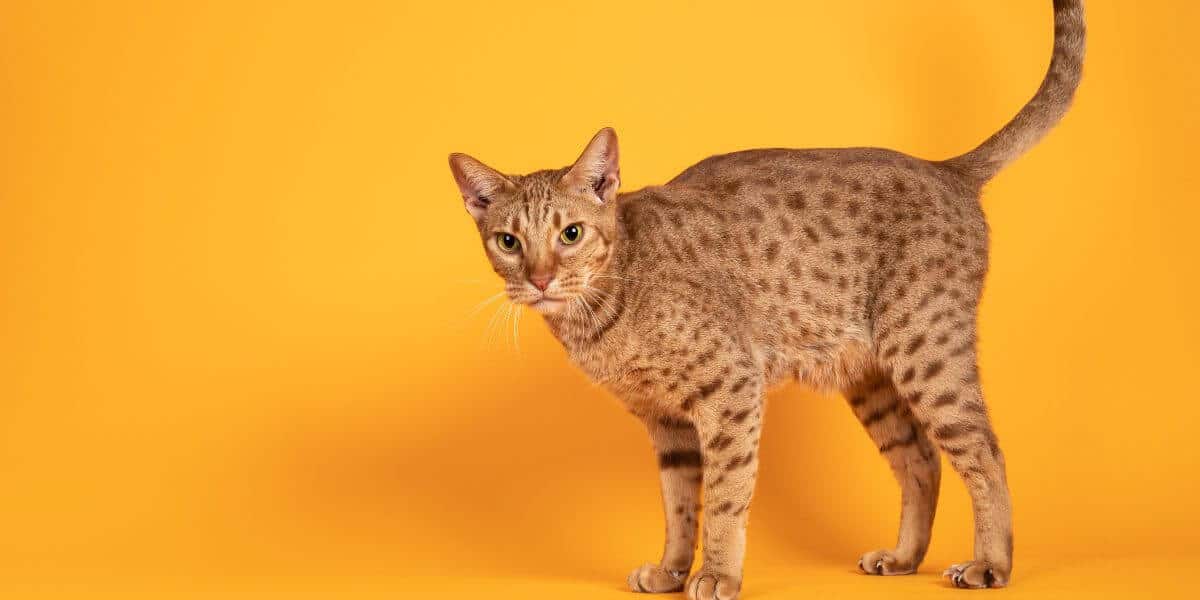
The Ocicat is a breed of cat with a wild appearance and friendly temperament. Despite its name and similarity in appearance to a Bengal, or even an Ocelot, the Ocicat breed does not have a drop of wild blood. This is a man-made breed of domestic cat. The breed’s distinctive spotted coat gives it the appearance of a miniature wildcat. But the only thing “wild” about these cats is their energetic personality.
Ocicats are medium to large-sized cats that are well-muscled and athletic in appearance. They are playful and outgoing, often described as “dog-like” in their behavior. Highly intelligent and easily trained, your Ocicat can walk on a leash, play fetch, and perform tricks. They are also very social animals and enjoy spending time with their owners.
Overall, the Ocicat is a unique and fascinating breed of cat that is sure to capture the hearts of anyone who meets them. Whether you are looking for a playful and affectionate companion or simply want to admire their striking appearance, the Ocicat is definitely a breed worth considering.
Contents
- 1 History of the Ocicat Breed
- 2 The Ocicat Breed Standard
- 3 Personality, Traits, and Temperament of the Ocicat Breed
- 4 Common Health Problems of the Ocicat Breed
- 5 How Long Do Ocicats Live?
- 6 Grooming Needs of Ocicats
- 7 The Ocicat Breed Needs Exercise and Playtime
- 8 Do Ocicats Make Good Pets?
- 9 How Much Do Ocicats Cost?
- 10 Summary
History of the Ocicat Breed
The Ocicat was created through selective breeding in the 1960s. Virginia Daly, a cat breeder from Michigan, accidentally created the Ocicat breed when she crossed a Siamese and an Abyssinian trying to create a Aby-pointed Siamese. One of the kittens in the resulting litter had a spotted coat instead of the expected solid coat. Daly bred the spotted kitten to an American Shorthair to create more cats with spotted coats and the true breeding program of the Ocicat began.
It is not easy to create a spotted cat. A litter can result in solids and mackerel or classic tabby patterns. Those kittens make great pets but aren’t able to show outside of the Household Pet class and the agility ring where they often dominate.
The Cat Fanciers’ Association (CFA) officially recognized the Ocicat breed in 1987. Today, the breed is recognized by all major cat registries, including The International Cat Association (TICA) and the Governing Council of the Cat Fancy (GCCF).
The Ocicat Breed Standard
The Ocicat is a medium to large, well-spotted cat. They are solid, well-muscled, athletic animals with a wedge-shaped head, deep chest, and straight back, long legs and a long, tapering tail. They have a broad nose, large ears set wide apart, and large almond-shaped eyes with more than the length of an eye between the eyes. The eyes can be any color but blue.
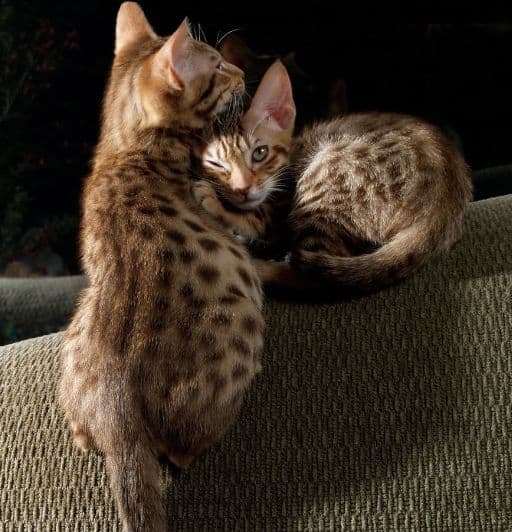
The spots on an Ocicat’s coat should be well-defined and evenly distributed. The coat is soft to the touch and has a lustrous satin sheen. They are recognized in 12 colors: tawny, chocolate, cinnamon, blue, lavender, fawn, black silver (or ebony silver depending on what registry you are in), chocolate silver, cinnamon silver, blue silver, lavender silver, and fawn silver.

Personality, Traits, and Temperament of the Ocicat Breed
The Ocicat is a highly sociable and affectionate breed. They have an outgoing and amenable temperament, which makes them an ideal pet for most households. Ocis are highly intelligent and sensitive cats.
Ocicats are energetic, inquisitive, and playful cats. Provide them with plenty of toys and activities to keep them entertained. They are easily trainable, love the challenge of learning tricks, and agility.
They are very vocal, like their oriental breed ancestors. Ocicats love attention. They often follow their owners around the house. As soon as you’re sitting down, you can expect your Ocicat to demand attention. They do not like to be alone for long.
Ocicats are adaptable cats. They are generally tolerant of gentle children and other pets, making them a great addition to families.
Common Health Problems of the Ocicat Breed
The Ocicat is a generally healthy breed with a long lifespan. Like all cats, they may inherit some health problems that affect their parent breeds. Here are some common health issues that Ocicats may face:
Hypertrophic Cardiomyopathy
Hypertrophic cardiomyopathy (HCM) is a common genetic heart disease that affects many cat breeds, including the Ocicat. This disease causes the walls of the heart to thicken, making it harder for the heart to pump blood effectively. Symptoms of HCM may include shortness of breath, lethargy, and fainting. Unfortunately, there is no cure for HCM. Early detection and treatment can help manage the symptoms and prolong the cat’s life. Breeders typically test for HCM. You should be able to see the tests for your kitten’s parents.
Renal Amyloidosis
Renal amyloidosis is a hereditary disease that occurs when an insoluble protein called amyloid is deposited in organs such as the kidneys or liver, causing organ failure. This disease is more common in some Ocicat lines than others. Your breeder should be able to confirm that your cat’s lineage is free of risk. Symptoms of renal amyloidosis may include vomiting, diarrhea, and weight loss. Treatment may include medication and a special diet.
Pyruvate Kinase Deficiency
Pyruvate kinase deficiency is a hereditary condition that affects the red blood cells, causing them to break down more quickly than normal. This can lead to anemia, lethargy, and jaundice. There is no cure for pyruvate kinase deficiency, but treatment may include blood transfusions and medication to manage the symptoms.
Progressive Retinal Atrophy (PRA)
Progressive retinal atrophy (PRA) is a hereditary disease that affects the retina, causing it to degenerate over time. This can lead to blindness. Symptoms of PRA may include night blindness, dilated pupils, and a general reluctance to move around in low light. Unfortunately, there is no cure for PRA, but early detection can help slow the progression of the disease.
Ocicats are prone to obesity so it is important to watch Kitty’s weight. Make sure your Ocicat has a well-balanced diet and plenty of exercise.
How Long Do Ocicats Live?
Ocicats are generally healthy, robust cats. They can live up to 15-18 years if they are well taken care of. However, like all cats, they are susceptible to certain health issues that can affect their lifespan.
To ensure that your Ocicat lives a long and healthy life, it is important to provide them with proper nutrition, regular exercise, and routine veterinary care.
Related: Interested in other breeds? Click here to visit our breed profiles page.
Grooming Needs of Ocicats
Ocicats are low-maintenance cats that require minimal grooming. Their Ocicat coat is easy to groom. Just brush their coat weekly with a rubber curry brush to remove dead hair and distribute skin oils and rub them with a chamois cloth to give their coat a little shine. They might need to be brushed twice a week during the spring and fall shedding season. The breed is a moderate shedder.
Other than that, trim their nails every two to three weeks, clean their ears weekly, and brush their teeth regularly.
The Ocicat Breed Needs Exercise and Playtime
Ocicats are active and playful cats that need regular exercise and playtime. They enjoy interactive toys, climbing structures, and scratching posts. Regular exercise and playtime help them maintain their physical and mental health, prevent boredom, and reduce stress.

Do Ocicats Make Good Pets?
Ocicats have friendly, outgoing personalities, making them great pets for families. They are highly sociable and love to be around people. They get along well with other pets, including dogs.
In addition to their friendly personalities, Ocicats are highly intelligent and can quickly learn to play a variety of games. They are energetic cats that love to play. It is important to provide them with plenty of toys and playtime to keep them happy and healthy.
One thing to keep in mind is that Ocicats can be quite vocal. They may not be the best choice for those who prefer a quieter pet. They are also quite active, so they need humans that can keep up with them.
How Much Do Ocicats Cost?
In terms of cost, Ocicats can range from $800 to $2,500 depending on the quality. You will pay more than for a show quality cat than a pet with a solid or tabby coat. And a cat with breeding rights costs the most.
Summary
Overall, the Ocicat is a fascinating breed of cat that is both beautiful and intelligent. We know them for their distinctive spotted coat, which gives them a wild look, but they are 100% domestic. They are playful, outgoing, and affectionate, making them great companions for families with children or other pets.
One of the great things about the Ocicat is that they can thrive in a variety of environments. They are equally happy in small apartments or large houses, as long as they have plenty of toys and attention from their humans.
The Ocicat is a low-maintenance breed. Their short, sleek coat requires minimal brushing, and they don’t shed excessively. They are generally healthy cats. However, these social and sensitive cats don’t like to be left alone for long periods of time.
If you’re looking for a cat that is both beautiful and affectionate, the Ocicat is definitely worth considering.