
The Fascinating History of Cat Shows: From the Middle Ages to Modern Times
Have you been to a cat show? Have you ever shown your own cat? I’ve been participating in the household pet class in cat shows for the last 6 years. It’s a lot of fun if your cat has the right personality. Although cat shows are becoming more and more popular for cat fanciers around the world, they are not a new concept. The history of cat shows goes back over 150 years.
When you consider that cats have only been domesticated for about 4,000 years and were valued as working animals rather than pets for most of that time, it is a surprise that the cat shows made their appearance when they did. Dog shows appeared about the same time, but dogs were domesticated 14-29,000 years.
The original cat show on record was held in 1598 at the St. Giles Fair. It was more of a sideshow than anything we would expect today. The awards recognized cats for “best ratter” and “best mouser”. I think our modern day companion cats would have done better than the Persians and Siamese cats that are the typical cat show stars in the modern age.
Contents
Emergence of Modern Cat Shows
First Modern Cat Shows
The first “official” cat shows were held in the 1870s in England. The first show of the modern era was held in London at the Crystal Palace Show in London in 1871. Harrison Weir, considered the “father of the cat fancy” organized the show. Weir had been breeding and showing cats since the 1850s.
At the Crystal Palace Show, Persians, Manx, Angora, and English Shorthair cats were the stars of the show. It also featured the Siamese for the first time. The event was a huge success, with thousands, possibly upwards of 20,00 of people attending to see the beautiful felines.
The success of the first show inspired another a few months later. The first had featured the cats of the aristocracy. The second included the “Working Man’s Cat.” Weir was a bit ahead of his time, trying to improve cat welfare. He had hoped that encouraging average people to show their domestic cats would encourage them to improve their kitties’ lives.
Between the two Crystal Palace shows there were two other shows in London, two in Scotland, and cat shows soon became a featured entertainment in Europe. These original shows featured not only breed cats and domestics but also some small wild cats and “oddities” like a polydactyl cat and a male tortie and white. They also earned prize money! Don’t see that today.
The History of Cat Shows in America
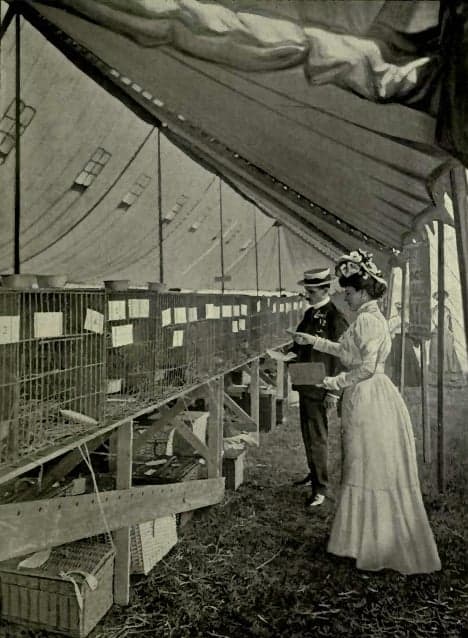
In the United States, the first cat show was held in 1895 at Madison Square Garden in New York City. A group of cat lovers who wanted to promote the breeding and showing of cats in America organized the show. Like the Crystal Palace shows, fanciers exhibited hundreds of cats and thousands of people showed up. A brown tabby Maine Coon was the big winner. Clubs also held early shows in Boston and Chicago.
In the early days, shows only featured a few breeds, such as Siamese, Persians, and Maine Coons. Today, there are over 100 recognized breeds, ranging from the hairless Sphynx to the curly-coated rex breeds to the Lykoi, CFA’s newest recognized breed.
These events played an important role in promoting the breeding and showing of cats. From the beginning of the hobby through to today, cat shows are a popular way for cat lovers to come together and celebrate all cats.
Cat Clubs and Associations
Cat clubs and associations play a vital role in organizing cat shows and promoting cat breeding. These organizations bring together cat fanciers from all over the world and provide a platform for them to showcase their cats and compete with other breeders.
National Cat Club
The National Cat Club is the original cat club founded by Harrison Weir in 1887 in the United Kingdom. In 1910 the National Cat Club merged with other clubs to form the Governing Council of the Cat Fancy. It is a non-profit organization that promotes the welfare of cats and encourages responsible breeding. The club organizes cat shows and provides information on cat care, health, and breeding.
American Cat Association
The American Cat Association (ACA) is a non-profit organization that promotes the welfare of cats and encourages responsible breeding. It was founded in 1899 and is one of the oldest cat clubs in the United States. The ACA registers cats, sets breed standards, and organizes cat shows. It also provides educational resources on cat care, health, and breeding.
Cat Fanciers’ Association
The Cat Fanciers’ Association (CFA) is the world’s largest registry of pedigreed cats and one of the oldest cat clubs in the United States. It was founded in 1906 after breaking from ACA and currently has over 600 member clubs worldwide. The CFA sets breed standards, registers cats, and organizes cat shows. It also provides educational resources on cat care, health, and breeding. The CFA is now the largest registry of pedigreed cats in the world and sanctions over 400 cat shows each year around the world.

Canadian Cat Association
The Canadian Cat Association CCA) was formed in 1960. Before the Association was formed all the cat shows and cat registrations had to be done through one of the US associations. The large US associations continue to operate in Canada as well.
The International Cat Association
The International Cat Association (TICA) is a non-profit organization that was founded in 1979 and currently has over 230 member clubs worldwide. TICA registers cats, sets breed standards, and organizes cat shows. It also provides educational resources on cat care, health, and breeding. TICA considers itself the largest genetic registry.
Other cat clubs exist around the world.
Cat clubs and associations play a crucial role in promoting cat breeding and organizing cat shows. They provide a platform for cat fanciers to showcase their cats and compete with other breeders. These organizations also provide educational resources on cat care, health, and breeding, and promote responsible cat ownership.
These associations establish guidelines for breed standards, show rules, and judging procedures.
Breed Standards and Judging
Development of Standards
Breed standards are the precise descriptions of a breed’s ideal characteristics and physical attributes. Cats compete against the standard for their breed more than they do head to head against another cat. The development of breed standards began in the late 19th century, when cat shows became more popular and breeders began to focus on creating cats that met certain physical and behavioral standards.
Harrison Weir developed the first breed standards in the 1880’s. Today, there are hundreds of breed standards recognized by various cat registering organizations. Each organization will have their own set of standards. Standards have been developed throughout the history of cat shows by cat fanciers and breeders who are passionate about their particular breed and seek to preserve and advance its unique qualities.
Standards have changed over time. If you were to see a standardbred Persian from back in those days you wouldn’t recognize it as a Persian. I have a doll face Persian that doesn’t meet the show standard for Persians. He looks more “Persian” than the original Persians. It’s that way in many breeds that have been around for any significant length of time.


Judging Process
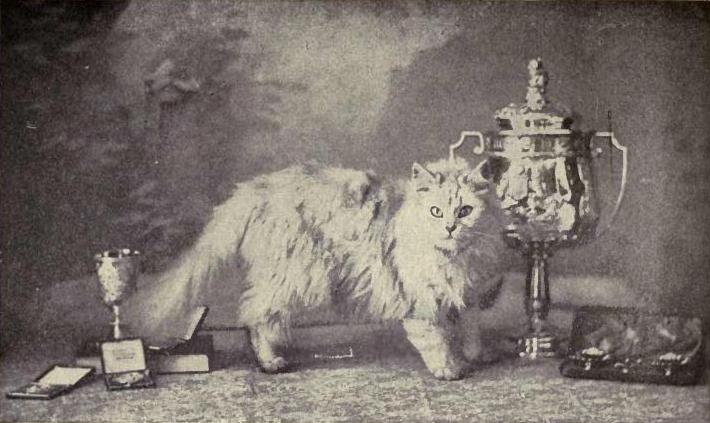
At cat shows, judges evaluate cats based on how closely they conform to their breed standard. The judging process typically takes place in a judging ring, where cats are brought up and evaluated by the judge. Judges use a point system to evaluate each cat’s body, head, eye color, coat, and other characteristics. The closer the cat is to the breed standard, the higher their score.
Judges are highly trained and must adhere to strict codes of ethics. They are responsible for ensuring that the cats they judge are healthy and well-cared for, and must also be knowledgeable about the breed standards they are judging. Judges must also be impartial and fair, and must not show favoritism towards any particular cat or breeder.
The judging process allows breeders and fanciers to showcase their cats and compete for titles and awards. It also helps to promote the preservation and improvement of various cat breeds, while also providing entertainment and education for cat lovers around the world.
Related Post: What to Expect at a Cat Show
How a Cat Show Works
Cat shows are composed of a number of separate, concurrently running, individual shows held in judging rings throughout a show hall. A different judge presides over each ring. Each judge presents his or her awards independent of the decisions of other participating judges.
Cat shows often feature other competitions, such as agility courses, cage decorating contests, and costume contests, where cats, and sometimes their humans too, dress up in elaborate outfits. There are also special awards for cats that exhibit exceptional qualities, such as best in show, best of breed, best household pet, and best kitten.
Related Post: Cat Show Awards
Household Pets at Cat Shows
The average domestic short and long haired cats were included in, in fact, encouraged to participate in, the original cat shows. As the cat fancy developed it primarily became a place to showcase pedigreed cats and not for domestics. Appreciation and participation of Household Pets depends on the organization and clubs you show in, what country you are in, and frankly, who is judging your class. There are definitely still some people who think those of us who show HHPs don’t belong in the show hall.
TICA has registered Household Pets and awarded titles from the beginning. CFA registered but did not award titles to Household pets from 1969 to 1989 when they closed down the program. The Board of Directors voted to bring back the CFA Household Pet Recording Program in 2011. In 2015, they awarded the first Grand titles and official Regional wins to Household Pets just like the pedigreed cats. In 2017, they became eligible for the National Win.
Competition at Cat Shows
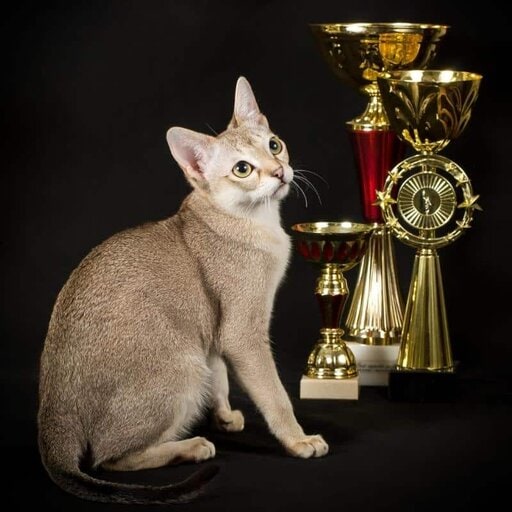
Participating in a competition can make you, well, competitive. It has been that way throughout the history of cat shows. Harrison Weir resigned from his National Cat Club because he felt that the cat fanciers had made the shows about winning and not the promoting of cat welfare. It’s easy to lose focus. I’ve done it myself.
It shouldn’t be about titles. Your kitty will always be the “Best Cat” for you. And, as a friend reminded me, your baby will always be a winner in your home. That’s what matters. It is a great activity to do with your cat. The cats that have gone on the show circuit with me have been the ones I have developed the closest bond with.
If you want to see what the “behind the scenes” of a cat show campaign season is like watch CatTalk on Netflix.
Conclusion
The history of cat shows, from the first show held in the St. Giles Fair in 1598 to the modern-day cat shows held all over the world, demonstrate the pride we have in our feline friends. These events draw cat enthusiasts from all walks of life and continue to be a source of enjoyment for cat fanciers around the world. They serve as a platform for showcasing the beauty and uniqueness of each cat breed, and for celebrating the special bond between cats and their humans.
In the end, cat shows are a testament to the enduring love and fascination that people have for cats. Whether as a household pet or a show cat, cats have been an integral part of human society for thousands of years. From the elegant Persian to the playful orange tabby kitten, cats continue to captivate our hearts and imaginations, and cat shows provide a way for us to celebrate and honor these beloved creatures.