Managing Incontinence in Senior Cats to Improve Quality of Life
Last Updated on January 4, 2026 by Holly Anne Dustin
There are many things you may have to deal with as your cat gets older. Daily medication. Helping Kitty keep up with his grooming. Frequent vet visits. But one of the things that most affects your life in a negative way is the issue of incontinence in senior cats.
Sadly, this issue is not uncommon for those of us living with elderly cats. From a guardian’s point of view it can be unpleasant to deal with; and frustrating, stressful, and aggravating to feel your home is becoming unhygienic and pee pads and laundry are taking over your life. It can affect your relationship with your furbaby even while you know it isn’t Kitty’s fault. I’ve been there.
Remain calm and don’t get upset with Kitty because she is having difficulty making it to the litter box. Understanding the condition and your options can help manage the situation effectively.
Incontinence can be caused by a range of underlying health issues. A visit to your veterinarian is essential to treat any possible medical causes for the problem.
Environmental adaptations can also offer relief and comfort to an incontinent cat and make it easier for you to deal with.
With the right care and attention, senior cats with incontinence can still enjoy a good quality of life and a good relationship with their humans.
Related Post: Senior Cat Care 101
Contents
Understanding Incontinence in Senior Cats
Incontinence in senior cats is a condition where a cat loses control over its bladder or bowels. Various factors can contribute to this issue, ranging from aging-related muscle weakness to more serious medical conditions.
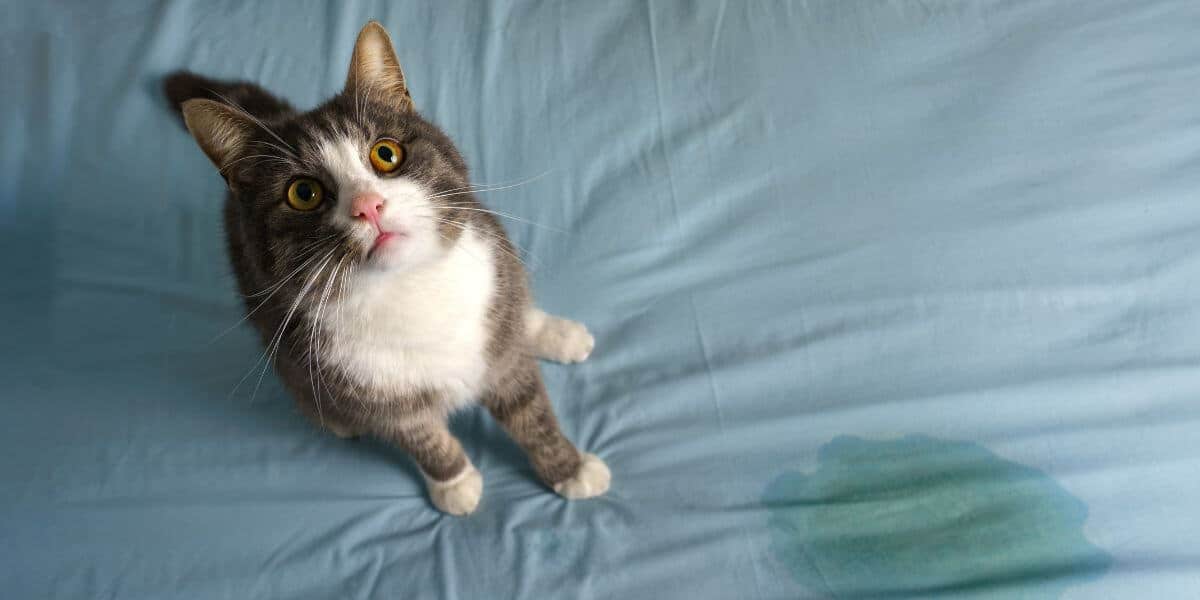
Cats may show signs of incontinence in different ways. Some may leak urine while resting, others may frequently visit the litter box, and some may have sudden accidents around the home. If you are seeing wet spots where Kitty was lying or sleeping, or accidents outside the litter box then it is time to see the vet.
Proper diagnosis is crucial as treatment varies depending on the underlying cause of the incontinence. Treatments may include medication, dietary changes, or in some cases, surgery. It’s important for owners to be supportive and patient while managing this delicate condition in their senior cats.
This post may contain affiliate links. Life and Cats is a Chewy affiliate and a member of the Amazon Associates program and as such we earn a small commission when you shop through our our links and banners. It doesn’t change the amount you pay. You can read our full disclosure policy here.
Common Causes of Incontinence in Senior Cats
Incontinence in senior cats is linked to several common causes. A prevalent condition is Urinary Tract Infection (UTI). UTIs can cause discomfort and an increased urgency to urinate, sometimes resulting in involuntary urination.
Another significant cause is Kidney Disease. Almost all senior cats have some degree of kidney disease which can affect a cat’s ability to concentrate urine, leading to more frequent urination and potential incontinence. Diabetes, also not uncommon in older cats, may contribute to incontinence due to excess urine production.
Furthermore, mobility issues, such as arthritis, can prevent a cat from reaching the litter box in time, resulting in accidents. It is essential to consider these issues as they can interfere with normal litter box habits.
Age-related muscle weakening, specifically the weakening of the bladder muscles, also plays a role. This condition is known as Feline Incontinence due to Reduced Sphincter Control and contributes to urine leakage.
Lastly, neurological problems like Feline Cognitive Dysfunction may disrupt the normal signaling process required for bladder control, leading to incontinence.
Signs and Symptoms of Incontinence
Incontinence in senior cats manifests through various signs that may indicate a loss of control over bladder or bowel functions. Watchful cat owners can observe the following symptoms:
- Frequent Accidents: pottying outside the litter box, even though previously well trained.
- Dribbling Urine: Sometimes, incontinent cats leave small amounts of urine where they sleep or rest.
- Wetness Around the Genitals: The fur around the cat’s hindquarters may appear wet or matted due to leakage.
- Persistent Licking: Cats might lick their genital area more frequently in an attempt to clean themselves after leakage occurs.
- Odor: Kitty may smell, beyond the normal scent of a cat who has just used the litter box.
- Straining: Cats may exhibit straining while attempting to urinate or defecate, which can be a sign of discomfort or other underlying issues.
- Changes in Litter Box Habits: There may be a noticeable change in how often a cat uses the litter box or in the amount of waste produced.
Cat guardians who notice these symptoms should take their pet to a veterinarian for a full evaluation to determine the cause of incontinence and to discuss potential treatments. Early detection and intervention can improve the quality of life for a senior cat with incontinence.
Diagnosing Incontinence in Cats
When a senior cat shows signs of incontinence, accurate diagnosis is essential. The process involves a thorough veterinary assessment, specific laboratory tests, and the use of imaging techniques to determine the underlying causes.
Veterinary Assessment
A comprehensive veterinary assessment is the first step in diagnosing incontinence in cats. The veterinarian will take a detailed medical history, focusing on the onset, frequency, and nature of the incontinence and then conduct to check for abnormalities in the urinary system and to assess overall health.
Laboratory Tests
Urinalysis: This test is crucial to evaluate the urine for signs of infection, crystals, or evidence of kidney disease.
Blood Work: A complete blood count (CBC) and biochemistry panel can help uncover underlying health issues that might contribute to incontinence, such as kidney failure or diabetes mellitus.
Imaging Techniques
- X-rays: These can reveal stones or tumors in the urinary tract.
- Ultrasound: This imaging technique is more sensitive than X-rays and can detect subtle changes in the bladder and kidneys.
Treatment Options for Feline Incontinence
Managing incontinence in senior cats involves a combination of medical interventions and supportive care to improve their quality of life.
Medications
- Phenylpropanolamine (PPA): Often prescribed for strengthening the urethral sphincter; dosage is tailored to the individual cat’s needs.
- Estrogens: May be used in spayed females to increase urethral tone; caution is advised due to potential side effects.
- Anti-Inflammatory Drugs: Can reduce inflammation in cats with underlying conditions contributing to incontinence.
Alternative Therapies
- Acupuncture: May help some cats by enhancing neuromuscular function.
- Chiropractic Adjustments: Can be explored if spinal misalignment is suspected to impact bladder control.
Supplements and Herbals
Supplements may or may not improve Kitty’s situation. Unlike for dogs, there aren’t many specific supplements or herbals for incontinence. Homeopet does make one called Leaks No More. I did try it without too much success with Shadow, but I have friends who swear it works great.
Kidney support supplements like Standard Process Renal Support might help if Kitty’s incontinence is caused by kidney disease. If it is a urinary problem, supplements with a cranberry base, d-mannose or could improve the situation. PetWellbeing makes a kidney supplement and a urinary tract support supplement.
Managing Incontinence at Home
Incontinence in senior cats is a treatable condition with the right home care strategies directed at maintaining the environment, ensuring the cat’s comfort, and adjusting their diet.
Environmental Modifications
Dealing with incontinence in senior cats might seem like a challenge, but fear not! With a few simple tweaks to your cat’s environment, you can make them more comfortable and reduce those unwanted accidents in your home. Let’s check out some practical strategies for creating a cat-friendly environment:
Related Post: Create a Retirement Paradise for Your Senior Cat
Create Multiple Litter Box Stations
Add more litter boxes and spread those litter boxes out in different spots throughout the house, making them super easy for your senior cat to find when nature calls. Use low-sided litter boxes or even puppy pads if your cat’s having trouble hopping in and out of the box.
Use Absorbent Mats or Pee Pads
Lay down some absorbent mats or pee pads in your cat’s favorite hangout spots or in those areas where accidents happen frequently. These little helpers will contain any messes and make clean-up a breeze!
Invest in Waterproof Furniture Covers
Keep your furniture protected from accidents by using waterproof covers. These are a lifesaver! Just throw them on your couch or chairs, and if there’s an accident, no worries. Easily remove the cover and throw it in the washing machine, leaving your furniture clean and smelling fresh.
Consider Using Pet Diapers
If your senior cat is having frequent and uncontrollable accidents, it might be time to try pet diapers. These can help prevent messes and make clean-up a whole lot easier for you. You can get them in disposable which are the easiest to deal with. But you can also get them in cute, dare we say stylish, reusable versions.
Hygiene and Comfort
Grooming: Gently clean the soiled areas on the cat’s skin and coat daily using cat-friendly wipes or a damp cloth to prevent infections and skin irritations. A bath and blow out to keep his fur and skin clean and dry can also help. A sani-trim will make it easier. A groomer can take care of that for you, or teach you to do it yourself. Let the vet staff handle it if Kitty’s skin is irritated by being consistently wet with urine.
Comfortable Bedding: Provide soft, easily-washable beds lined with pee pads in several locations to allow the cat to rest comfortably and stay dry.
Conclusion
Dealing with incontinence in senior cats is not the easiest task, but there are strategies and interventions that can seriously improve their quality of life.
Knowing what’s going on will help us come up with the best plan. Making some little changes, like having easy access to litter boxes, using absorbent bedding, and doing frequent clean-ups, can really help minimize accidents and keep our senior cats comfortable. Explore medical interventions like medications or surgery to give your cat extra support.
And,don’t forget to keep your relationship strong. Your senior cat is not just endless chores. Take time to keep doing the things you enjoy together. Trust me, you’ll even miss the chores when Kitty has crossed the rainbow bridge.