
Cat Shedding: Practical Tips for Cat Guardians
Cats are popular pets for many reasons, including their playful personalities and affectionate behavior. However, one of the biggest challenges of owning a cat is dealing with the fur. Cat guardians find themselves constantly cleaning up fur from furniture, clothing, and floors. Excessive cat shedding can be frustrating and even lead to allergies or asthma. Fortunately, there are practical tips that can help reduce shedding and make life easier for both cats and their guardians.
Contents
Understanding Cat Shedding
Cat shedding is a normal process that occurs when cats naturally lose their hair. It is a common issue that most cat guardians face. Shedding is a sign that your cat’s coat is healthy and growing, but it can also be a nuisance.
Causes of Cat Shedding
There are several reasons why cats shed their hair. The primary reason is to regulate their body temperature. When the weather gets warmer, cats shed their winter coats to stay cool. Similarly, when the weather gets colder, cats shed their summer coat to grow a thicker winter coat and stay warm. Indoor cats may shed year-round due to the constant temperature and lighting conditions inside the home.
Another reason why cats shed is to get rid of damaged or old hair. Shedding helps cats to get rid of this hair and prevent hairballs.
There are several other factors that can affect the amount Kitty sheds. These include:
- Breed: Some cat breeds shed less than others.
- Age: Kittens and senior cats shed less than adult cats.
- Health: Cats with skin conditions, allergies, or hormonal imbalances may shed more than healthy cats.
- Stress: Cats under stress shed more than normal. You can see it in a specific situation like a vet visit or general conditions like a lack of enrichment or introducing a new pet to the family.
- Nutrition: A cat’s diet can affect the health of their skin and coat, which can impact shedding.
- Environment: Temperature, humidity, and lighting conditions can all affect shedding in cats.
This post may contain affiliate links. Life and Cats is a Chewy affiliate and a member of the Amazon Associates program and as such we earn a small commission when you shop through our our links and banners. It doesn’t change the amount you pay. You can read our full disclosure policy here.
Understanding what causes Kitty to shed can help cat guardians to reduce shedding in their furry friends.
Types of Cat Hair
Cats have two types of hair. Guard hair, the longer, coarser hair that forms a cat’s top coat and helps protect the cat’s skin from the sun, wind, and water. Undercoats are soft, downy hairs that are close to the skin and help provide more insulation. The undercoat is there to help cats regulate their body temperature as the seasons change and keep them warm no matter their environment.
Cats shed both primary and secondary hair, but the amount and frequency of shedding vary depending on the breed, age, and health of the cat. Long-haired cats tend to shed more than short-haired cats, and older cats shed more than younger cats. Additionally, cats with health issues or poor nutrition may shed excessively. Understanding the causes and types of cat hair shedding can help you manage it better.
Tips for Reducing Cat Shedding
Cat guardians know that dealing with shedding is a part of having a feline friend. Shedding is a natural process, but there are steps you can take to reduce the amount of fur that ends up all over your house. Here are some practical tips for reducing cat shedding:
Grooming Your Cat
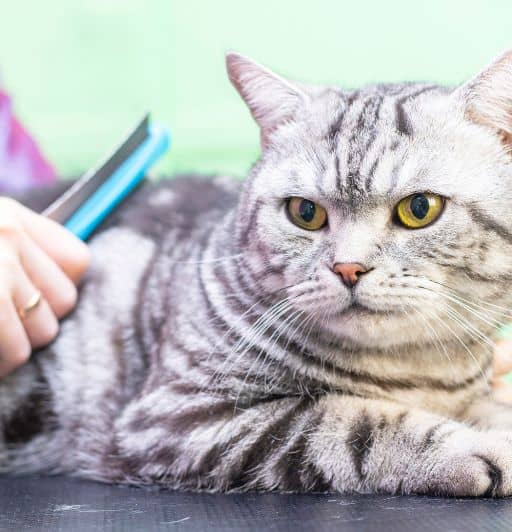
Grooming your cat is one of the most effective ways to reduce shedding. Regular grooming can help remove loose fur before it ends up all over your furniture and clothing. Brushing your cat’s coat with the right type of brush can help remove dead hairs before they fall out all over the house. In addition to reducing shedding, grooming also helps distribute natural oils throughout your cat’s coat, keeping it healthy and shiny
- Groom more often, even daily, during times Kitty is shedding more.
- Comb your short-haired cat regularly with a high-quality steel comb. This will help remove loose fur and prevent it from being shed all over your home. Be sure to get out as much undercoat as possible.
- Use a pin brush to remove excess fur from your short-haired cat’s undercoat.
- Trim your cat’s nails regularly to prevent them from getting caught in their fur and causing mats.
- Consider giving your cat a bath and blow out every 6-8 weeks to help remove more loose fur, especially during seasonal sheds. Use a cat-specific shampoo and make sure to rinse thoroughly.
Related Post: Click on this post for grooming tips
It is important to note that some breeds of cats naturally shed more than others. For example, long-haired cats like Persians and Maine Coons shed more than short-haired cats like Siamese and Bengals. If you have a long-haired cat, it is important to groom them regularly to prevent matting and tangles, which can lead to more shedding.
Feeding Your Cat
Believe it or not, Kitty’s diet can also play a role in how much she sheds. Consulting with a veterinarian can help ensure that your cat is receiving the proper nutrition and care to minimize shedding.
Here are some tips for feeding your cat to help reduce shedding:
- Feed your cat a high-quality, balanced diet that is rich in protein. This will help keep her skin healthy and coat shiny and reduce shedding. Avoid cheap, low-quality cat foods that are filled with fillers and artificial ingredients, as these can contribute to poor coat health and excessive shedding.
- Moisture in canned food helps keep her coat hydrated. Dehydration can lead to dry, brittle fur, which can increase shedding. Cats are inefficient drinkers and absorb more moisture from their food given the option.
- Consider adding a supplement to Kitty’s diet that is designed to promote healthy skin and coat. Omega’s or fish oil is a good start.
- Add water fountains to encourage Kitty to drink more water.
Managing Your Cat’s Environment to Reduce Shedding
The environment your cat lives in can also play a role in how much he sheds. Here are some tips for managing your cat’s environment to help reduce shedding:
- Make sure Kitty has plenty of toys and scratching posts to keep him entertained and active. This can help reduce stress, which can lead to excessive shedding.
- Keep your home clean and free of dust and debris. This can help prevent skin irritation, which can lead to excessive shedding.
- Consider investing in a high-quality air purifier to help remove allergens and other airborne particles from your home.
- Add a cool-mist humidifier in the winter months when the heat dries the air and causes more shedding.
Dealing with Excessive Cat Shedding
If your cat is shedding excessively, it can be frustrating for both you and your furry friend. However, there are steps you can take to manage the shedding and keep your home clean.
When to Seek Veterinary Help
If you notice a sudden increase in your cat’s shedding or if your cat is losing hair in patches, it may be a sign of an underlying medical condition. In this case, it is important to seek veterinary help. Your vet can perform a physical examination and run tests to determine the cause of the excessive shedding.
Medical Conditions That Cause Excessive Shedding
There are several medical conditions that can cause excessive shedding in cats. Some of the most common conditions include:
- Hyperthyroidism
- Cushing’s disease
- Fungal infections
- Allergies
- Parasites
If your cat is diagnosed with a medical condition that is causing the excessive shedding, your vet will recommend a treatment plan to manage the condition and reduce shedding.
How to Combat the Fur in your House
- Get fleece throws or a sheet and cover your sofa or chairs where Kitty likes to hang out. You can easily throw them in the wash.
- Buy Kitty a bed that can be washed or easily cleaned.
- Lint Brushes are life savers. Keep one in your closet, and one in your car for your clothes.
- Get a Swiffer-style floor cleaner and hit the spots the fur builds up every day.
- Vacuum and dust your home thoroughly weekly
Conclusion
Dealing with cat shedding can be a challenging task for any cat guardian. Remember that shedding is a natural process for cats. While it can be frustrating with the right tools and techniques, it is possible to reduce the amount of fur your cat sheds and keep your home clean and tidy. Cat guardians can successfully manage cat shedding and enjoy a happy and healthy life with their feline companions by following these tips. If you happen to have a dog as well as your feline friends, I think you will find these tips work just as well for managing dog hair.