Help! My Senior Cat Won’t Eat: How Can I Help?
Last Updated on January 4, 2026 by Holly Anne Dustin
As cats age, they may experience a decrease in appetite, which can be concerning for their owners. A senior cat that won’t eat can be a sign of an underlying health issue or simply a change in their preferences. Regardless of the reason, it’s important to address the issue to ensure the cat is getting the proper nutrition they need to maintain their health.
There are several reasons why a senior cat may have a decreased appetite. Some common causes include dental problems, gastrointestinal issues, kidney disease, and even stress or anxiety. It’s important to take note of any other symptoms the cat may be experiencing, such as vomiting or diarrhea, as this can help narrow down the cause of the loss of appetite. Additionally, changes in the cat’s environment or routine can also lead to a decrease in appetite. It can be a balancing act to juggle several medical or psychological issues in a senior cat to address the loss of appetite. I’ve experienced this with Treeno.
Related Post: Senior Cat Care 101
Contents
Understanding Senior Cat Dietary Needs
Nutritional Requirements
As cats age, their nutritional needs change, and it is important to understand their dietary requirements to ensure they remain healthy. Senior cats require a diet that is high in protein, low in carbohydrates, and contains the necessary vitamins and minerals. Protein is essential for maintaining muscle mass, while a low-carbohydrate diet helps prevent obesity and diabetes.
Senior cats also require a diet that is easy to digest. As cats age, their digestive systems become less efficient, and they may have trouble absorbing nutrients from their food. A diet that is easy to digest can help ensure that your senior cat is getting the nutrients they need.
Changes in Appetite
One of the most common issues with senior cats is a loss of appetite. This can be caused by a variety of factors, including dental problems, digestive issues, and changes in their sense of smell or taste. It is important to monitor your senior cat’s eating habits and take note of any changes.
If your senior cat is not eating, it is important to consult with a veterinarian to rule out any underlying health issues. In some cases, a change in diet or the addition of supplements may be necessary to ensure that your senior cat is getting the nutrients they need.
Common Reasons for Decreased Appetite
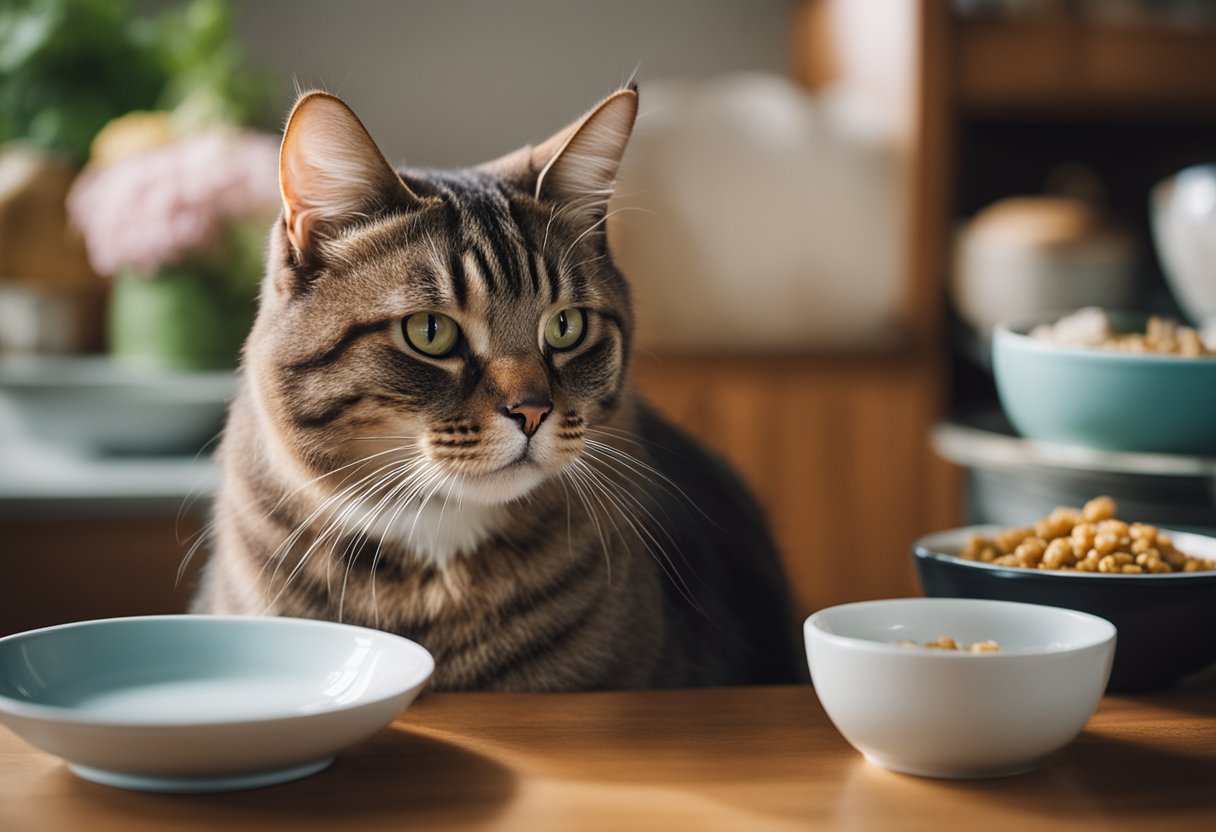
Senior cats can be finicky eaters, and it’s not uncommon for them to lose their appetite as they age. While it’s normal for cats to eat less as they get older, a complete loss of appetite can be concerning. Here are some common reasons why senior cats may experience a decreased appetite:
Dental Issues
Dental issues can make it painful for cats to eat. As cats age, they are more prone to dental problems such as gum disease, tooth decay, and abscesses. These issues can make it difficult for cats to chew and swallow food, leading to a loss of appetite. Additionally, cats with dental issues may drool excessively or paw at their mouth.
Related Post: Cat Dental Care
Kidney Disease
Kidney disease is a common health problem in senior cats. As the kidneys begin to fail, toxins build up in the bloodstream, which can cause nausea and a decreased appetite. Cats with kidney disease may also drink more water and urinate more frequently.
GI Issues
Gastrointestinal (GI) issues such as inflammatory bowel disease (IBD) or pancreatitis can cause cats to lose their appetite. These conditions can cause vomiting, diarrhea, and abdominal pain, making it uncomfortable for cats to eat. Additionally, cats with GI issues may lose weight and have a dull coat.
Arthritis
Arthritis is a common condition in senior cats, and it can make it difficult for them to move around and get to their food bowl. Cats with arthritis may also experience pain when they eat, which can lead to a decreased appetite.
Stress and Depression
Stress and depression can also cause cats to lose their appetite. Senior cats may become stressed or depressed due to changes in their environment, such as the loss of a companion or a move to a new home. Additionally, cats that are bored or lack stimulation may lose interest in food.
By understanding the common reasons why senior cats may experience a decreased appetite, you can take steps to help your cat maintain a healthy weight and stay happy and comfortable in their golden years.
How to Encourage Eating
If your senior cat is not eating, it is essential to encourage them to do so. Here are some ways to help improve their appetite:
Improving Food Desirability and Digestibility
Cats can be picky eaters, and as they age, their sense of smell and taste may decrease. To make their food more appealing, try warming it up or adding some broth to it. You can also try different types of food, such as wet or dry food, to see which your cat prefers.
Additionally, some senior cat foods have added nutrients that are beneficial for their health. Toppers, such as crumbled freeze-dried treat, human baby food, or pour-overs, can help get Kitty interested in her food again.
Appetite Stimulant
If your cat is still not eating, your veterinarian may prescribe an appetite stimulant. This medication can help increase their hunger and encourage them to eat. However, it is essential to follow your veterinarian’s instructions carefully and not overdo it. If pain or nausea is part of the problem, you want to be sure to treat that too. Nothing is worse than feeling hungry and wanting to eat but not being able to tolerate it.
Treat Pain
Sometimes, a senior cat may not eat due to dental problems or other health issues that cause pain. If this is the case, treating the underlying issue can help improve their appetite. Your veterinarian may prescribe pain medication or recommend dental care.
Antacids, Anti-nausea
If your cat is experiencing nausea or vomiting, it can be challenging to get them to eat. Your veterinarian may prescribe antacids or anti-nausea medication to help alleviate these symptoms and improve their appetite.
Related Post: Managing Medication for Senior Cats
Creating a Comfortable Eating Environment
Lastly, creating a comfortable eating environment can help encourage your senior cat to eat. Make sure their food and water bowls are easily accessible and in a quiet area. You can also try feeding them smaller, more frequent meals throughout the day to make eating more manageable.
By following these tips, you can help encourage your senior cat to eat and maintain their health and well-being.
When to Consult a Veterinarian
If a senior cat won’t eat, it’s essential to take action quickly. However, there are times when consulting a veterinarian is necessary. Here are some situations when it’s best to seek veterinary care:
- Lack of appetite lasting more than 24 hours: If your senior cat hasn’t eaten anything in over 24 hours, it’s time to schedule a vet appointment. A prolonged lack of appetite can lead to serious health problems, such as liver disease or fatty liver syndrome.
- Weight loss: If your senior cat has lost a significant amount of weight, it’s crucial to consult a veterinarian. Weight loss can be a sign of an underlying health issue, such as dental problems or cancer.
- Vomiting or diarrhea: If your senior cat is vomiting or has diarrhea, it’s best to seek veterinary care. These symptoms can be a sign of a gastrointestinal issue, such as inflammatory bowel disease or pancreatitis.
- Lethargy or weakness: If your senior cat is lethargic or weak, it’s essential to take them to the vet. These symptoms can be a sign of a serious health problem, such as kidney disease or anemia.
If your senior cat won’t eat, it’s always best to take action. However, if any of the above situations apply, it’s crucial to seek veterinary care to ensure your cat’s health and well-being.
Summary
It is important for senior cat guardians to be aware of the reasons why their cats may not be eating. By identifying the underlying cause, owners can take the appropriate steps to ensure their cat’s health and well-being.
It is also important to ensure that the cat is receiving adequate nutrition. Senior cats have different nutritional needs than younger cats, and may require a specialized diet. Consulting with a veterinarian can help determine the best diet for the cat’s age and health.
Overall, by being proactive and attentive to their senior cat’s needs, owners can help ensure a happy and healthy life for their furry companion.