How to Pet a Cat the Right Way
Petting a cat releases the feel-good hormone oxytocin in humans. It is relaxing, stress-reducing, and can improve your health while building your bond with your cat. Petting a cat may seem like a simple task, but it is actually quite complex. Each cat has his or her own personality and preferences about how they want to interact with people. They also have certain areas of their body that they like and don’t like being touched. It’s important to understand how to pet a cat and recognize their positive or negative responses to establish a good relationship with your furbaby.
Petting a cat is not like petting a dog. Dogs like a much more vigorous style of petting. You can pat or rub or ruffle a dog’s hair. If you pet a cat the way you pet a dog, you are likely to get scratched or bitten or Kitty will avoid you.

Contents
Understanding Cat Behavior and Body Language
It’s essential to be aware of the basics when it comes to cats and their body language when learning how to pet a cat. If you don’t, you could find yourself a bit too close for comfort with Kitty and her claws and teeth!
Tail Talk:
A cat’s tail can give you insights into their feelings. Here are some clues to look out for:
- A relaxed tail means they are feeling calm and content.
- A puffed-up tail indicates they are feeling scared or threatened.
- A tail held high indicates they are feeling confident and in control.
- A tail held low indicates they are feeling submissive or scared.
- A tail that is swishing back and forth indicates they are feeling playful or agitated.
- A tail that is twitching indicates they are feeling anxious or stressed.
Read the Ears:
A cat’s ears can also give you clues about her mood:
- Forward-facing ears indicate she is alert and interested. She might be trying to figure out what you’re doing.
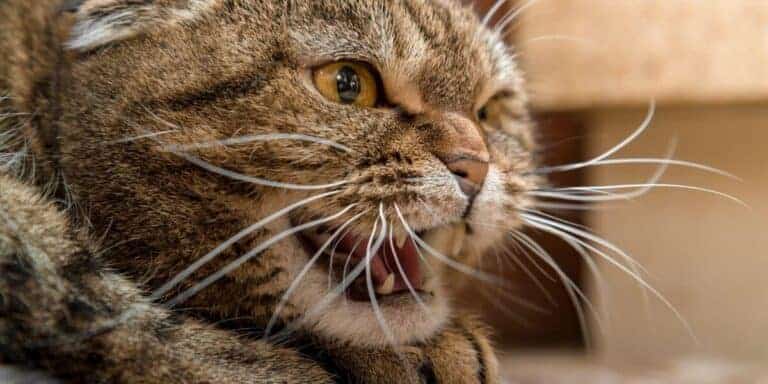
- “Airplane” Ears, or ears flattened against their head, mean Kitty is angry or scared. She may be trying to look tough or intimidating and prepared to protect herself if needed.
- Ears that are turned back mean the cat is feeling submissive or afraid.
- Ears that are twitching or moving back and forth mean the cat is curious or interested in something.
- Ears that are perked up and alert mean the cat is excited or on guard.
Purring:
Purring is a low-frequency sound that cats make by vibrating their vocal cords. Contrary to popular belief, a purr doesn’t always mean Kitty is happy. Cats also purr when they are in distress. Purring benefits Kitty in several ways, including:
- Relieving pain
- Promoting healing
- Reducing stress
- Boosting the immune system
- Promoting bonding with humans
It is important to note that the context of the purring is important to determine if it is a good time to pet a cat.
Related Post: Why is My Cat Purring?
You can try to gauge a cat’s mood by looking at his body language. If Kitty is relaxed and has his ears up, it is probably okay to pet it. However, if the cat is tense, with a fluffed tail, and his ears back, it is best to leave him alone.

It is also important to remember that every cat is different. Some cats enjoy being petted more than others. Some allow petting by one member of the family but not others. It is important to learn your furball’s individual preferences and respect them. If you are unsure whether a cat wants to be petted, it is always best to err on the side of caution.
Socialization
Cats are social animals and need interaction with humans and other cats to thrive. However, they are also independent creatures and need their alone time. It’s important to respect your cat’s boundaries and give her space when she needs it.
Related Post: Teach Your Kitten to Tolerate Handling
The more socialized your cat is to life with humans the easier it is to know how to pet her and how much. Even Plush and Caramel, my velcro cats, have petting tolerance levels and will tell me to back off if I reach the limit. They’ll also be back in 5 minutes for more! A cat that hasn’t had the same human bonding might have less tolerance.
How to Greet a Cat
Approaching an unfamiliar cat is not like approaching your furbaby at home. However, there are a few things you can try to make friends with a stray or your best friend’s cat who’s not quite sure about you.
Move slowly and speak in a soft, friendly tone of voice. Sudden movements or loud noises can startle the cat and make him feel threatened.
Let the cat come to you. Cats are curious creatures and will often approach humans on their own terms. If the cat doesn’t come to you, it’s best to leave it alone and try again later.
When the cat does approach you, extend your hand slowly and let the cat sniff it. If Kitty seems comfortable, you can try petting it gently on the head or back. Avoid touching the cat’s belly or tail, as these areas can be sensitive.
It’s also important to read the cat’s body language. If the cat seems tense or uncomfortable, back away slowly and give him space. If the cat seems relaxed and happy, you can continue to pet him gently.
Overall, approaching a cat requires patience and respect for the cat’s boundaries.
Related Post: How to Greet a Cat
Techniques for How to Pet a Cat the Right Way
Most cats like being pet in areas that are rich in scent glands. Try petting the following areas first. Then move on to the other areas if Kitty is accepting of your efforts.
Chin and Cheek Scratches
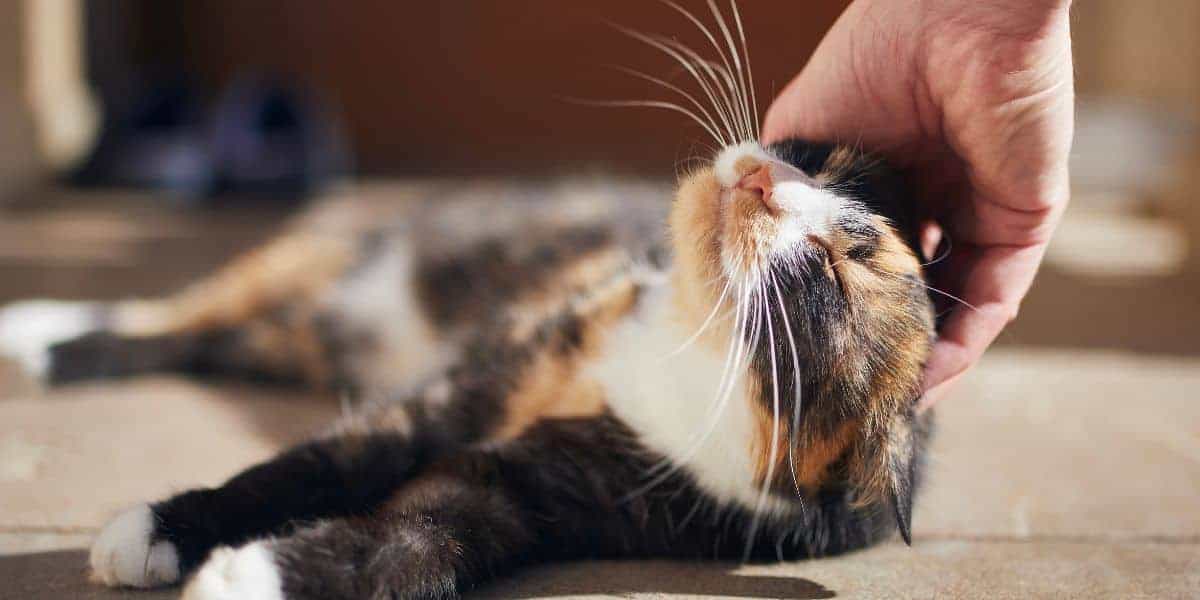
When petting a cat, it’s important to start with gentle touches and to let the cat guide you. Chin and cheek scratches are a great way to begin. These areas are the most popular. If the cat seems receptive, gently scratch under the chin and on the cheeks behind the whiskers. Use slow, gentle strokes and avoid petting too hard or too fast.
Head and Neck
Most cats enjoy being pet lightly between his ears and rubbed behind the ears. Gentle massaging and petting on the back of his neck is generally well-accepted.
Head to Tail
Once the cat is comfortable with chin, cheek, and head scratches, you can move on to petting from head to tail. Begin by petting the head and neck, then move down the back towards the tail. Use long, slow strokes and avoid petting too hard or too fast. Be sure to watch the cat’s body language to make sure they are enjoying the petting. Some cats would rather you not touch their tails.
Nose Bridge
Don’t try this with an antisocial cat, but if your kitty loves it, this is usually a positive experience. My Plush loves having his little Persian nose rubbed. Treeno likes it when I pet his nose too, but no one else is allowed. If your furbaby doesn’t like having her nose rubbed though, look out, your fingers are awfully close to those fangs.
Some Questionable Areas:
Base of Tail
You might think all cats love it when you scratch, pet, or rub the base of their tails, if you’ve seen those “O hell yeah” petting charts on Pinterest. But there are lots of cats that hate it. Like most things when learning how to pet a cat, you’ll have to test your furbaby to see what Kitty thinks.
Belly Rubs
While some cats enjoy belly rubs, most do not. If your cat seems receptive, you can try gently rubbing their belly. Start with gentle strokes and watch the cat’s body language to make sure they are comfortable. You may end up in a belly trap full of kicking paws and claws. Or like Treeno and Plush they may roll over and start purring.
Recognizing Cat’s Response
When petting a cat, it’s important to remember that each cat is different. Some cats prefer gentle touches, while others enjoy more vigorous petting. Always let the cat guide you and pay attention to their body language. With patience and practice, you can develop a strong bond with your feline friend through the art of petting.
Positive Signs
- A cat who enjoys being pet is likely to approach you, lean into the scratches, and rub the scent glands on her face into your hand.
- Cats turn for long strokes along their back or scratches near the base of the tail.
- Purring: A cat’s purr is a sign of contentment and relaxation. If your cat is purring while you pet them, it’s a good sign that they’re enjoying the attention.
- Kneading: When a cat kneads with their paws, it’s a sign that they’re happy and relaxed. This behavior is often accompanied by a purr.
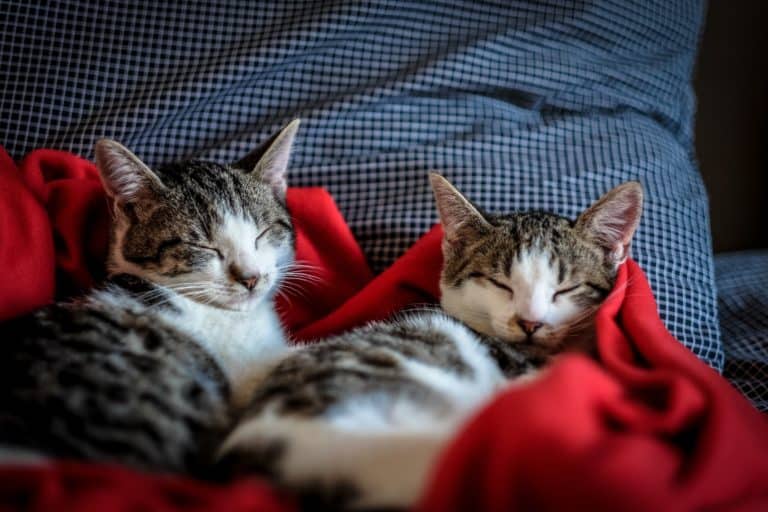
- Slow Blinking: Cats will often give a slow blink when they’re feeling relaxed and comfortable. If your cat is blinking slowly while you pet them, it’s a good sign that they’re enjoying the interaction.
Negative Signs
- Tail Twitching: If your cat’s tail is twitching while you pet them, it’s a sign that they’re feeling agitated or annoyed. This can be a warning sign that they may lash out if you continue to pet them.
- Twitching skin on his back.
- Hissing or Growling: If your cat is hissing or growling while you pet them, it’s a clear sign that they’re feeling threatened or uncomfortable. It’s important to stop petting them immediately and give them some space.
- Ears Flat or Back: If your cat’s ears are flat or back while you pet them, it’s a sign that they’re feeling scared or defensive. This is another warning sign that they may lash out if you continue to pet them.
- Pulling away from you.
- Some cats that don’t want to be pet will avoid interacting, fidget, or be openly aggressive.
By paying attention to your cat’s response, you can ensure that they’re comfortable and happy during the petting session. If your cat is showing negative signs, it’s important to stop petting them and give them some space to calm down.
How to Pet a Cat Summary
Petting a cat can be a rewarding and enjoyable experience for both the cat and the person. By following some simple guidelines, anyone can learn how to pet a cat in a way that is safe and comfortable for both parties.
It is important to pay attention to the cat’s body language, as this can give clues about how the cat is feeling and whether or not it is receptive to being petted.
When petting a cat, it is important to start with gentle strokes and avoid touching sensitive areas such as the belly or tail. It is also important to avoid grabbing or squeezing the cat, as this can be uncomfortable or even painful for the cat.
Overall, petting a cat is a great way to bond with your furbaby. By following these simple guidelines, anyone can learn how to pet a cat in a way that is safe, comfortable, and enjoyable for both the cat and the person.