Teach Your Kitten to Tolerate Handling: A Guide for New Cat Owners
Bringing a new kitten into your home is an exciting and joyous occasion. However, it’s important to remember that kittens require proper training and socialization to ensure they grow up to be well-adjusted and friendly cats. One crucial aspect of training is to teach your kitten to tolerate handling, which certainly includes cuddles and pets from her people; but also includes activities like grooming, nail trimming, and veterinary examinations. Read on for practical tips and techniques to help train your kitten to embrace handling and make it a positive experience for both of you.
Contents
Understanding Kitten Behavior
Before embarking on the journey of training your kitten to enjoy handling, it’s crucial to understand his natural behavior. Cats do not have an instinctive need to be with people or to enjoy handling. If your cat is going to be a confident, happy adult, positive handling experiences as a kitten are essential. Kittens that are handled from birth are more confident and social, better able to handle stress as they grow.
Ideally, you should begin to teach your kitten to tolerate handling while he is still young, between 2 to 7 weeks of age. Kittens that age are naturally curious and playful. Their fear response hasn’t kicked in yet and they are open to new and novel experiences. However, if you have an older kitten or a cat, it’s not too late to start but expect the process to take longer. She may never completely learn to tolerate a lot of handling.
Start Early and Gradually

Creating a calm and comfortable environment is crucial when helping your kitten feel comfortable with being handled. Providing a cozy and safe space will help your kitten feel more at ease and relaxed during handling sessions.
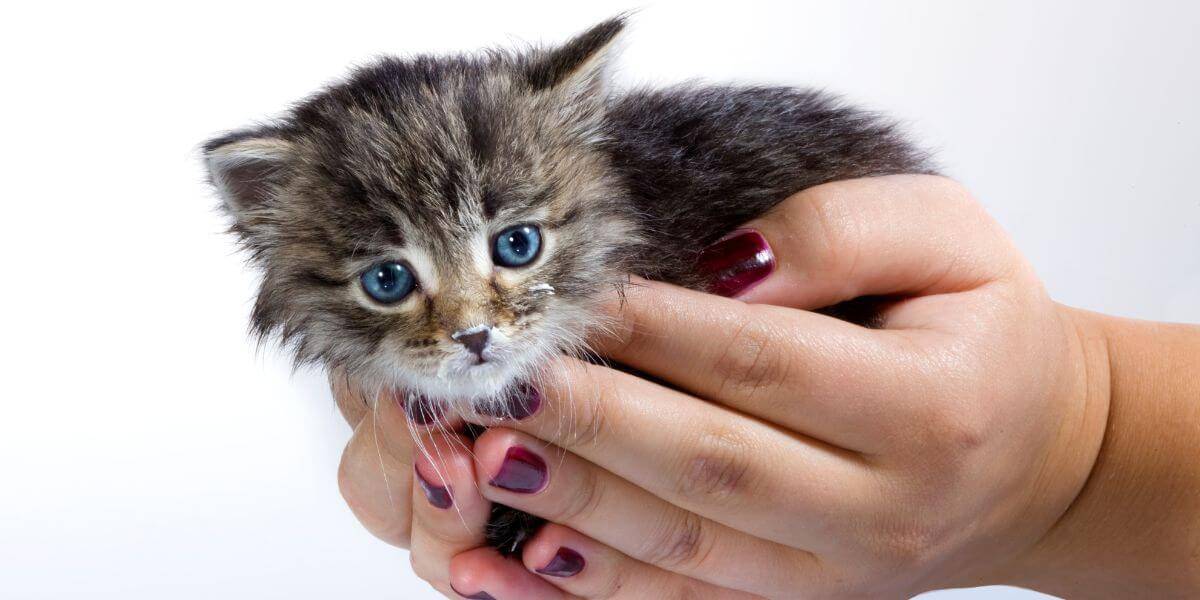
Begin by gently petting your kitten for short periods of time, and gradually increase the duration as she becomes more comfortable. Don’t lift her until she is more used to handling. Having her paws off the ground will make her anxious. Gently stroking your kitten in her favorite spots, such as under the chin or behind the ears will help her build trust and associate being handled with positive feelings.
If your kitty shows any signs of discomfort or tries to pull away, stop immediately and try again later. Avoid handling a kitten for long periods of time at the beginning. Seconds can be enough when you’re starting. If the kitten cries or looks distressed, stop. Prolonging the experience or ‘flooding’ the kitten can have a long-term negative impact. Patience is key during this socialization process. The key to teaching your kitten to tolerate handling is to start early.
Increasing Handling Time
Start by handling the kitten for short periods of time, gradually increasing the duration as the kitten becomes more comfortable. Gently stroke your kitty’s back and head, and then gradually moving down to the legs and paws. It is important to pay attention to the kitten’s body language and stop handling if the kitten shows signs of discomfort or agitation.
Expanding Touch Areas
Once the kitten is comfortable with being handled for longer periods of time, it is important to expand the touch areas. This can be done by gently touching the kitten’s belly, raising her tail, and massaging her ears. Again, it is important to pay attention to the kitten’s body language and stop handling if the kitten shows signs of discomfort or agitation. Try again at your next handling session.

Introducing Lifting
Once the kitten is comfortable with being touched in various areas, around 5 weeks of age, it is time to introduce lifting. Start by gently lifting the kitten a few inches off the ground and then gradually increasing the height. It is important to support Kitty’s body with one hand and to keep the other hand close to the kitten’s head for comfort and security.
Remember, each kitten is unique and may require a different approach. It is important to be patient and to go at the kitten’s pace. With time and practice, most kittens can learn to enjoy being handled.
Positive Reinforcement and Treats
To make handling a positive experience, it’s important to associate it with rewards. Positive reinforcement, such as treats or verbal praise, can go a long way in encouraging your kitten to enjoy handling. Every time you handle your kitten, reward him with a treat, play, or offer verbal encouragement.
For example, while gently holding his paw, give him a small treat. Repeat this process regularly, gradually increasing the duration of the handling sessions. Over time, your kitten will learn to associate handling with pleasant rewards, making it more enjoyable for him.
Desensitization and Gradual Exposure
Some kittens may initially find certain types of handling uncomfortable or stressful. For instance, grooming may be unfamiliar to your furbaby when you bring her home. To help Kitty overcome these fears, practice desensitization and gradual exposure.
For nail trimming, begin by simply touching your kitten’s paws without applying pressure. Reward her with treats and praise for staying calm. Once they are comfortable with this, gradually introduce the nail clippers, always rewarding and praising them for cooperation. Start by trimming just one or two nails at a time, and increase the number gradually as your kitten becomes more comfortable.
Related Post: How to Trim a Wiggly Cat’s Claws
The same principle applies to grooming. Start by using a soft brush and gently stroke your kitten’s fur. Gradually increase the duration and intensity of brushing sessions over time. Again, reward Kitty for her patience and cooperation.
Dental care can also begin at a young age. Get your furbaby used to having her mouth opened or her lips lifted. Don’t use products yet, just the motions of examining her mouth. Your vet will thank you later.
Any other handling that Kitty is likely to experience should be introduced as early as possible as well. Is she going to be a show cat? Acclimate her to any touch or handling unique to her breed.
Regular Handling and Socialization
Consistency is key when you teach your kitten to tolerate handling. Make it a part of his daily routine by incorporating short handling sessions into his playtime multiple times a day. This will help him become accustomed to being touched and handled.

Additionally, socialization is crucial for kittens to feel comfortable in various situations. Expose your kitten to different people, environments, and experiences to help him develop confidence and ease with handling. Invite friends and family to interact gently with your kitten, ensuring positive experiences and rewards.
Summary
It is important to teach your kitten to tolerate handling because it is a vital part of her overall well-being. Handling contributes to a strong bond between you and your furbaby. It also makes him a good patient at the vet’s office. Remember to start early, use positive reinforcement, and gradually expose your kitten to different types of handling. Patience, consistency, and rewards are essential throughout the training process.