Don’t Leave Me Alone: Separation Anxiety in Cats
Last Updated on May 26, 2021 by Holly Anne Dustin
Separation anxiety in cats occurs when Kitty is separated from the humans with which he has a strong bond. Despite the many memes showing cats desperate for their humans to go back to work and get out of their fur, many cats are going to feel it when we actually do. If your kitty has severe separation anxiety, he may even overreact to a closed door or being out of your sight.
Whether it is back to work, back to school, or a vacation, we have to consider the emotional needs of our cats in our planning.
Contents
Causes of Separation Anxiety in Cats
There is probably not a single reason for a cat to develop separation anxiety. Lack of proper socialization is the most likely common theme.
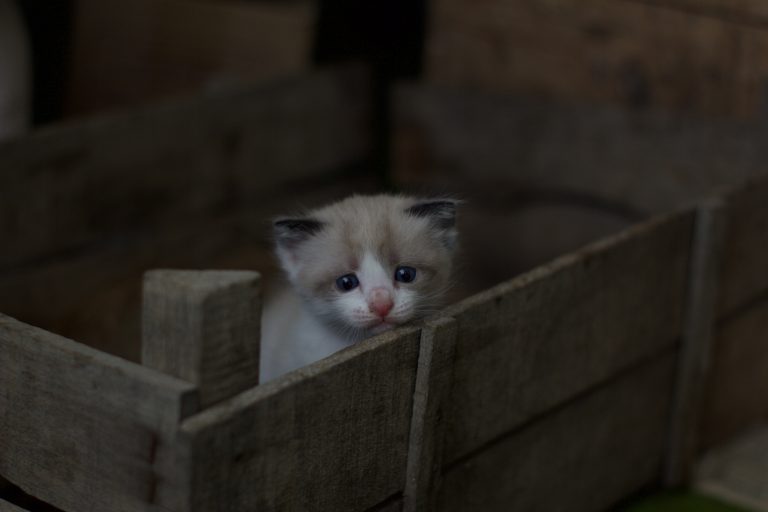
Orphaned kittens, or kittens weaned and separated from their mothers too soon, don’t learn proper kitty social skills. In the human world, we would say they have attachment issues. It may show up as extreme attachment to their personal humans and insecure attachment to others.
Shelter and rescue cats can have socialization and anxiety issues. Cats that are rehomed or surrendered have suffered a break in their human-feline bond. Some, like my Jeremy, may have abandonment issues and be reluctant to trust again. And when they do, they can get over attached and anxious if their people aren’t around.
Cats that spend a lot of time in cages without much human interaction during their days and kittens that aren’t handled enough don’t develop a secure trust in humans. They attach to their people but may be anxious around other people and stressed when they are left alone.
The most common reason for cats to develop separation anxiety is boredom. An indoor cat depends on their human for stimulation. If you leave, your cat is bored.
Bored lonely cats act out. They need enriched environments and fun. If your cat has no activities without being attached to you, then that increases the chance of separation anxiety.
Signs and Symptoms of Feline Separation Anxiety
Separation anxiety can include everything from excessive meowing when you are out of sight or asleep, to peeing or pooping on your bed. Other signs of separation anxiety include destructive behavior like excessive scratching on door frames and furniture when left alone.
Remember your baby is not acting out of spite or malice. He is stressed and upset and trying to soothe himself by mixing his scent with yours. In his own way he is trying to help you find your way home.
Excessive overgrooming can be another behavioral reaction to separation anxiety in cats. Anxious cats can be aggressive to other pets or people as well.
Other cats may not eat unless you are there with them. I fostered a Persian from my favorite rescue that wouldn’t eat unless I hand fed her. That was an extreme separation anxiety reaction to the confusion of being surrendered. She did find a great home where she was able to relax and become a happy girl.
The cat in this video is showing signs of separation anxiety when left by himself.
This post may contain affiliate links. Life and Cats is a Chewy affiliate and a member of the Amazon Associates program and as such we earn a small commission when you shop through our our links and banners. It doesn’t change the amount you pay. You can read our full disclosure policy here.
Treatments for Separation Anxiety in Cats
What can we do if we have a stressed out, anxious cat that doesn’t want to let us out of his sight?
Start with a vet visit to make sure Kitty is healthy.
Enrichment
Enriching Kitty’s environment is the next step. The more enriched and secure the environment is, the better your furbaby will feel when he’s by himself.
Adding height is important.
- Add cat towers, shelves on the wall, and window perches.
- Consider rearranging the furniture so Kitty has a path around the room up high.
Add interest to your space for Kitty:
- Lay out a shirt or blanket that smells like you in a spot he frequents. The scent will help him keep calm.
- On the other side, adding boxes, hideaway cubes and enclosed beds where Kitty can hide.
- Increase visual stimulation. Fish tanks, bird feeders outside Kitty’s favorite window.
- Put out a variety of scratchers: Vertical trees, horizontal corrugated cardboard scratchboards.
- Plants like cat grass, spider plants, catnip, and herbs that Kitty can safely nibble on.
- Save your cat’s favorite toys for when you go out. Rotate their toys regularly. “Marinate” them in catnip, silvervine, and valerian. Switch that up regularly also to keep them interested.
Keep Kitty’s brain busy:
- Puzzle toys are great. You can invest in commercial toys like the Cat Amazing or Nina Ottenson.
- Put some of Kitty’s food allotment in forage toys for him to find. You can make your own toys pretty cheaply.
Add some Tech:
- TV for cats: you can find DVDs or YouTube videos designed for cats. There are programs on Amazon Prime intended to keep your cats entertained.
- Music: Several options exist for music designed specifically for cats as well.
- Petcams: You can check on Kitty during the time you are out. Some let you talk to your cat and dispense treats.
- Electronic toys: They are coming out with new and interesting electronic toys all the time. Some respond to your furbaby’s desire to play and shut off when they are done. Others turn on randomly to engage Kitty.
Consider calming remedies for anxious cats
- Feliway diffusers or spray
- CBD drops or treats
- Calming treats
- Rescue Remedy drops in the water bowl
- Medication can help, but only as part of an overall behavior modification and enrichment plan.
Behavior modifications:
You are really modifying your behavior and not your kitty’s behavior. Your goal is to desensitize and distract your furbaby.
Desensitize Kitty to his triggers.
- If your luggage sets Kitty off try leaving it around all the time so it isn’t a big deal.
- If it is your car keys or your purse pull them out but don’t leave. Then take a quick trip around the block and come back. Gradually leave for longer periods of time.
- Make a predictable routine about leaving and returning. Try to vary the time so Kitty doesn’t expect you to arrive at the same time, just so they know that you will come back.
Distract Kitty with his special toys and treats before leaving. I’ve found that feeding my cats just before I leave for the day keeps them from getting upset when I go out the door.
Keep goodbyes simple and matter of fact. Kitty will feel your emotion if you make a big deal out of leaving. When you come home don’t greet Kitty until he stops any attention seeking behaviors.

How to Prevent your Cat from Developing Separation Anxiety
You want your furbaby to be secure in his bond with you and confident in his environment.
Enrich your environment and plan for two interactive play sessions a day, once in the morning and one after you get home from work.
Set up a consistent daily routine. Keep Kitty’s meal times, bedtime, and training times the same day to day. If you know that your routine will be changing because of a new work or school routine, change Kitty’s routine slowly the week before.
The play sessions, treasure hunts, and other interactive games will increase his confidence and strengthen the bond between you. He will be more able to spend time on his own if he trusts you.
Give your Kitty time alone; even if you are at home. Take a walk or a quick trip to the store. Let him get used to the idea that you go away but you always come back.
Summary:
Separation anxiety in cats is a real phenomenon. We can help prevent it by helping our furbabies feel confident in their relationship with us and comfortable exercising his “natural cat” in an enriched environment. Consider consulting with a behaviorist if working through the problem with added enrichment, calming treats, and extra playtime isn’t enough to keep Kitty comfortable.