Making the Switch to a Covered Litter Box: An Easy Guide for Your Cat
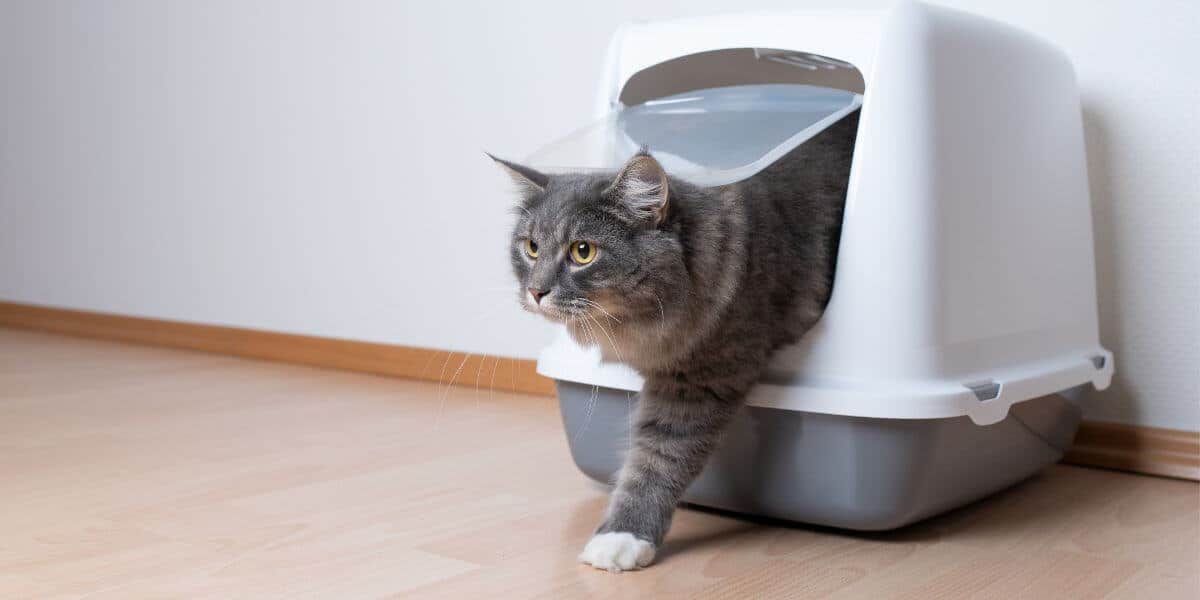
Transitioning your cat to a covered litter box can be a difficult challenge. However, it can be a necessary step to take for various reasons. If you have a crawling baby or a toddler, a covered cat box can keep things a little more hygienic and provide cats with a sense of privacy and security while using the litter box. A covered litter box can help reduce the amount of litter Kitty can kick all over and can contain odors if you need to keep your box in a more central location.
When transitioning a cat to a covered litter box, it is important to do so slowly. Sudden changes can cause stress and anxiety for cats, leading to litter box avoidance or other undesirable behaviors which would just make things worse.
Changing a cat to a covered litter box requires patience and a gradual approach. By taking the time to make the transition slowly and providing positive reinforcement, you can help Kitty adjust to the change to a covered litter box.
This post may contain affiliate links. Life and Cats is a Chewy affiliate and a member of the Amazon Associates program and as such we earn a small commission when you shop through our our links and banners. It doesn’t change the amount you pay. You can read our full disclosure policy here.
Contents
Understanding the Positive Aspects of a Covered Litter Box
I don’t usually recommend covered boxes but there are times when it is the best choice. In some situations, a covered litter box can improve your cat’s overall litter box experience and make your life easier as well.
One of the primary benefits of a covered litter box is that it can help to contain odors. Cats are known for being fastidious creatures, but even the cleanest cat can leave behind unpleasant smells in an uncovered litter box. A covered litter box can help to trap these odors and keep them from spreading throughout your home. However, this is also a negative if you do not keep the litter tray spotlessly clean. A covered box that isn’t clean becomes a lot like a dirty port-a-potty, and you know no one likes that! Just like we’d avoid using that potty, Kitty is going to avoid a dirty litter box.

In addition to helping control odors, a covered litter box also helps to keep litter contained. A couple of my cats think they need to throw litter everywhere. Even with a litter mat, they make such a mess. A covered litter box can help to keep this litter contained and prevent it from getting all over your floors.
Another benefit of a covered litter box is that it can provide your cat with a greater sense of privacy in a situation where a small child or a dog might cause stress or in a small apartment where the litter box is in an open space.
The Negative Side of Covered Litter Boxes
- The biggest problem is the out-of-sight out-of-mind aspect when it comes to scooping. The odors can be offensive to the cat.
- Covered boxes don’t dry out as quickly because there isn’t as much circulation.
- A hooded box with a single entry-exit point can create opportunities for bullying in multiple cat homes.
- Larger cats feel cramped in a too-small box.
A covered litter box might be a good choice for both you and your Kitty or not. If you’re considering transitioning your cat to a covered litter box, it’s important to choose a box that is the right size for your cat.
Choosing the Right Covered Litter Box
It is important to choose the right box to meet your cat’s needs. Here are some factors to consider when selecting a covered litter box. There are different types of covered litter boxes available in the market. Some are self-cleaning, while others require manual scooping. Some have a top entry, while others have a front entry. It is important to choose the type that suits the cat’s preferences and needs.
Size and Space
The size of the litter box should be appropriate for the cat’s size and weight. A larger litter box is needed for bigger cats. The box needs to be 1.5 times longer than your cat. For a hooded box the height also matters. The headroom when she is using the box determines how comfortable Kitty will be if she is a large breed cat. The space where the litter box will be placed should also be considered. It should be placed in a quiet and private area, away from high traffic areas.
Entrance and Exit
Some cats prefer top-entry litter boxes, while others prefer front-entry litter boxes. The entrance and exit of the litter box should be easy for the cat to access.
The height of the entrance in a front-entry box should be low enough for the cat to step in and out easily and the door should fit the size of your cat. Some cats are put off by the doors that come on some hooded litter boxes. Most are removable and I suggest it.
A top-entry box is an option for some cats. It isn’t a good choice for older cats who will struggle with having to jump in and out. Kittens also may struggle. But they offer maximum privacy.


Furniture-Style Litter Box Hides
This style is sort of a combination of an open box and a covered box. Usually it is an open box inside an end table or bench style piece of furniture. Ideally there will be an opening at each end so that Kitty can’t get trapped inside by another animal or child.


Material and Durability
The material of the litter box should be durable and easy to clean. Plastic litter boxes are common, but they may absorb odors over time. Covered litter boxes made of stainless steel or ceramic are more durable and easier to clean.
Choosing the right covered litter box is essential to ensure that the cat is comfortable and happy with the new litter box. By considering the cat’s preferences and needs, cat owners can select the right covered litter box that will make the transition a success.
Preparing Your Cat for the Transition
Gradual Introduction
When transitioning your cat to a covered litter box, it is important to take things slow. A gradual introduction is key to making this change as stress-free as possible for your furry friend.
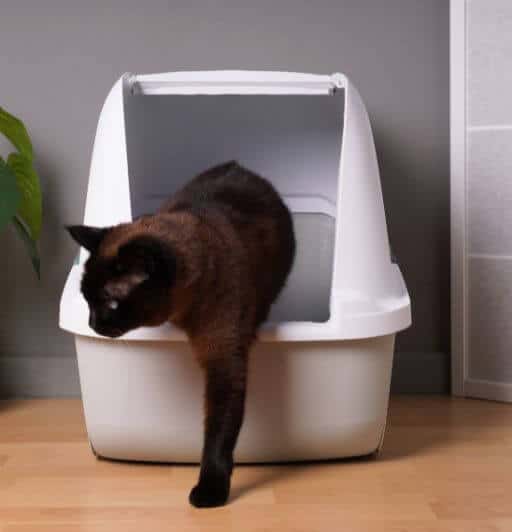
Start by placing the covered litter box next to your cat’s current litter box for a few days. This allows your cat to become familiar with the new box and its surroundings. After a few days, you can start to move the covered litter box closer to the desired location while still keeping the old litter box in its usual spot.
Once the covered litter box is in its final location, allow your cat to explore it on their own terms. It is important to not force your cat to use the new litter box. Instead, let them discover it at their own pace.
Positive Reinforcement
Positive reinforcement is a great way to encourage your cat to use the new covered litter box. Start by rewarding your cat with treats or praise when they show interest in the new box.
If your cat does use the new box, be sure to give them plenty of praise and treats. Positive reinforcement will help your cat feel more comfortable and confident using the covered litter box.
It is important to note that not all cats will take to a covered litter box right away. If your cat is hesitant, try removing the cover or using a partially covered box until they become more comfortable. With patience and positive reinforcement, your cat will eventually make the transition to a covered litter box.
Monitoring Your Cat’s Progress
Behavioral Changes
When transitioning your cat to a covered litter box, it is important to monitor their behavior to ensure they are adjusting well. Here are some behavioral changes to look out for:
- Increased scratching or digging in the litter
- Hesitation or reluctance to enter the litter box
- Avoiding the litter box altogether
- Increased accidents outside of the litter box
- Signs of anxiety or stress, such as excessive grooming or hiding
If you notice any of these behavioral changes, it may be a sign that your cat is not comfortable with the new litter box. Consider switching back to an uncovered litter box or trying a different type of covered litter box.
Health Indicators
In addition to monitoring your cat’s behavior, it is important to also keep an eye on their health. Here are some health indicators to look out for:
- Changes in litter box habits, such as increased urination or defecation
- Signs of discomfort or pain when using the litter box
- Changes in appetite or water intake
- Signs of lethargy or decreased activity
- Changes in coat or skin condition
If you notice any of these health indicators, it may be a sign of a larger health issue. Consult with your veterinarian to rule out any medical conditions and ensure your cat’s health is not being compromised by the new litter box.
By monitoring your cat’s behavior and health, you can ensure a smooth transition to a covered litter box and maintain your cat’s comfort and well-being.

Troubleshooting Common Issues When Transitioning to a Covered Litterbox
Reluctance to Use
Sometimes, a cat may be hesitant to use a covered litter box. To encourage them, try leaving the lid off for a few days until they get used to it. You can also try placing the litter box in a quiet, private location to help them feel more comfortable. If your cat is still reluctant to use the covered box, try removing the door or cutting a larger entryway to make it easier for them to access.
Messy Use
If your cat is making a mess with litter or waste outside of the box, it could be a sign that the box is too small. Consider upgrading to a larger size to give your cat more space. You can also try a litter mat outside the box to catch any litter that may be tracking out. If your cat is still making a mess, it could be due to the type of litter being used. Experiment with different types to find one that works best for your cat.
Fear or Anxiety
Some cats may be fearful or anxious about using a covered litter box. This could be due to a previous negative experience, such as being trapped inside. To help your cat feel more comfortable, try placing the box in a quiet, low-traffic area away from loud noises or sudden movements. You can also try using a litter box with a clear or translucent lid so that your cat can see outside. If your cat continues to show signs of fear or anxiety, consult with your veterinarian for additional advice and support.
Remember, transitioning your cat to a covered litter box may take time and patience. Be sure to monitor your cat’s behavior and adjust as needed to ensure their comfort and well-being.
Summary
Transitioning your cat to a covered litter box may take some time and patience, but it can ultimately lead to a cleaner and more pleasant litter box experience for both you and your feline friend.
Remember to take it slow and gradually introduce your cat to the new litter box. Consider placing the covered litter box next to the old one at first, and gradually moving it to its new location.
It’s important to choose a covered litter box that is the right size for your cat, with enough room for them to comfortably move around. A litter box with a removable lid can also make cleaning easier.
Keep in mind that some cats may not take to a covered litter box right away, and may need some time to adjust. If your cat seems hesitant or avoids the new litter box altogether, try removing the lid temporarily or switching back to the old litter box for a while.
Overall, transitioning your cat to a covered litter box can be a great way to improve your cat’s litter box experience and make cleaning up after them a little bit easier. With patience and persistence, you and your cat can make the switch successfully.