The Aging Cat: What to Expect as Your Feline Friend Grows Older
Last Updated on January 4, 2026 by Holly Anne Dustin
As your cat ages, you can expect to see certain changes in their behavior, health, and overall well-being. Kitty’s metabolism is likely to slow, he will probably develop mobility problems, and is prone to age-related health issues. Your furbaby’s senses may also decline. From changes in their activity levels to potential health issues, it’s important to be prepared and knowledgeable about what to expect as your cat ages.
It is possible for your furbaby to continue to live his best life possible even as he enters his senior years. This post will provide you with all the information you need to ensure your aging feline companion receives the best care possible.
Contents
Understanding the Aging Process in Cats
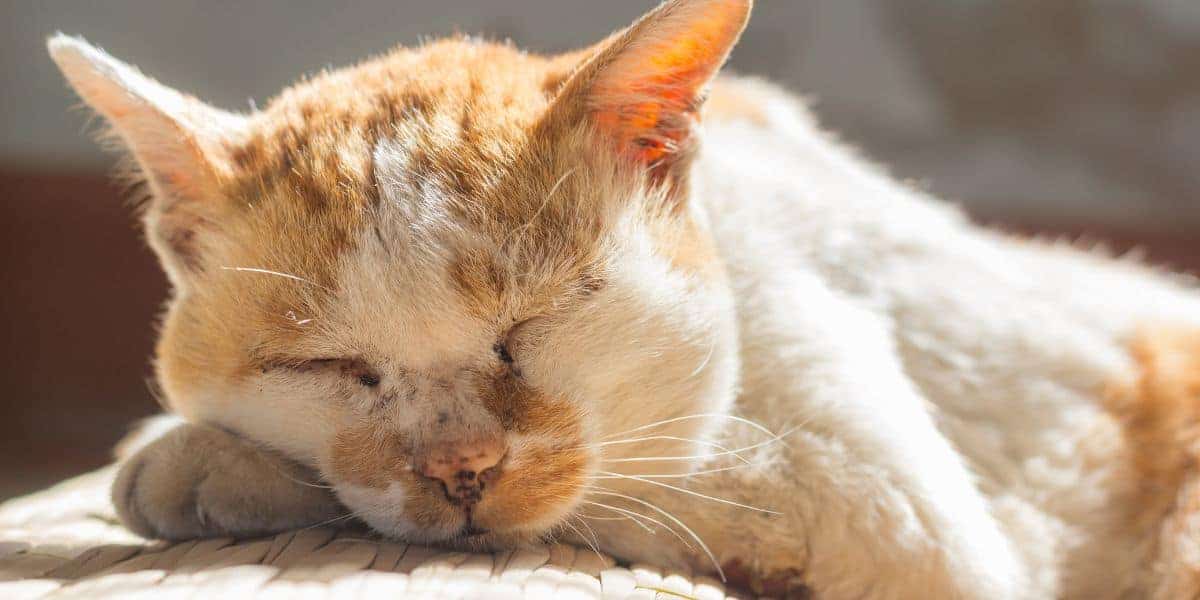
Just like humans, cats go through a natural aging process as they get older. Understanding this process is crucial for providing the best care for your older feline friend. Cats begin to encounter age-related physical changes between seven and ten years of age, and most do so by the time they are 12. As cats age, they may experience changes in their physical appearance, such as graying fur, brittle claws, appearance of black whiskers, or changes in their weight.
Related Post: How Cats Age: Ages and Stages
Sensory Changes
As your furbaby’s age ticks up, you may notice that Kitty’s sharp senses become duller. Kitty may have lost some or all of his hearing. His eyes may start to look hazy instead of clear and bright. He may lose interest in his toys, or looking out his favorite window and just want to sleep. A reduced sense of smell and taste make it harder to get him interested in food. Senior cats are often very fussy eaters.
Reduced Functions
If it feels like you’re spending a lot more time at your vet’s office with your senior cat, it’s probably true. Kitty’s immune system has reduced function, making elderly kitties more susceptible to infections.
His ability to digest fat and protein becomes more challenging just at the time that his interest in food is failing leading to weight loss and the skinny old cat syndrome. Just like with older humans, digestive system complaints like constipation and diarrhea are common.
By understanding the aging process in cats, you can better anticipate these changes, ensuring that your furbaby remains happy and healthy in their senior years.
Changes in Behavior and Activity Levels
As cats age, it is common for them to experience changes in their behavior and activity levels. They may become less active and spend more time sleeping or resting.
Some of the behaviors typically associated with senior cats include:
- Difficulty getting to his favorite spots.
- Changes in sleeping habits.
- Playing and grooming less.
- Decreased sociability. Kitty may become the proverbial “grumpy old man.”
- Increased insecurity and anxiety.
- Lack of adaptability to change.
- Increased vocalization, especially at night.
- Becoming clingy, increased dependency on his human.
It is important to adapt Kitty’s environment to accommodate these changes with ramps, stairs, and comfy beds. However, it is also important to have any changes in your senior cat’s behavior evaluated by your veterinarian. Many changes in activity levels or behaviors can also be indicators of a medical problem.

Common Health Issues in Senior Cats
As cats age, they become more susceptible to certain health issues.
- Arthritis causes joint pain and stiffness, making it difficult for Kitty to move around comfortably, especially when it comes to jumping or climbing.
- Dental disease can lead to tooth loss and gum infections, which can be painful and affect Kitty’s ability to eat.
- Kidney disease is a common condition in older cats and can lead to dehydration, weight loss, and changes in urination.
- Hyperthyroidism is a condition where the thyroid gland produces too much thyroid hormone. It can lead to weight loss, increased appetite, and restlessness.
- High blood pressure, diabetes, inflammatory bowel disease, and cancer are all examples of conditions that become more common in cats as they age.
Increased Veterinary Care
As your cat ages, keeping up with your regular veterinary check-ups become even more important. Your veterinarian can monitor your cat’s overall health, address any concerns, and recommend appropriate preventive care for your older cat. This may include vaccinations, blood work, and screenings for common age-related conditions. Your vet can tell you more about what to expect as your cat ages.
Paying attention to your cat’s health and behavior ensures that Kitty ages gracefully and enjoys a happy and comfortable life. You can help keep your furbaby comfortable by tuning in to his needs for support and care.