Cat Nail Caps: Cool or Cruel
Last Updated on May 2, 2021 by Holly Anne Dustin
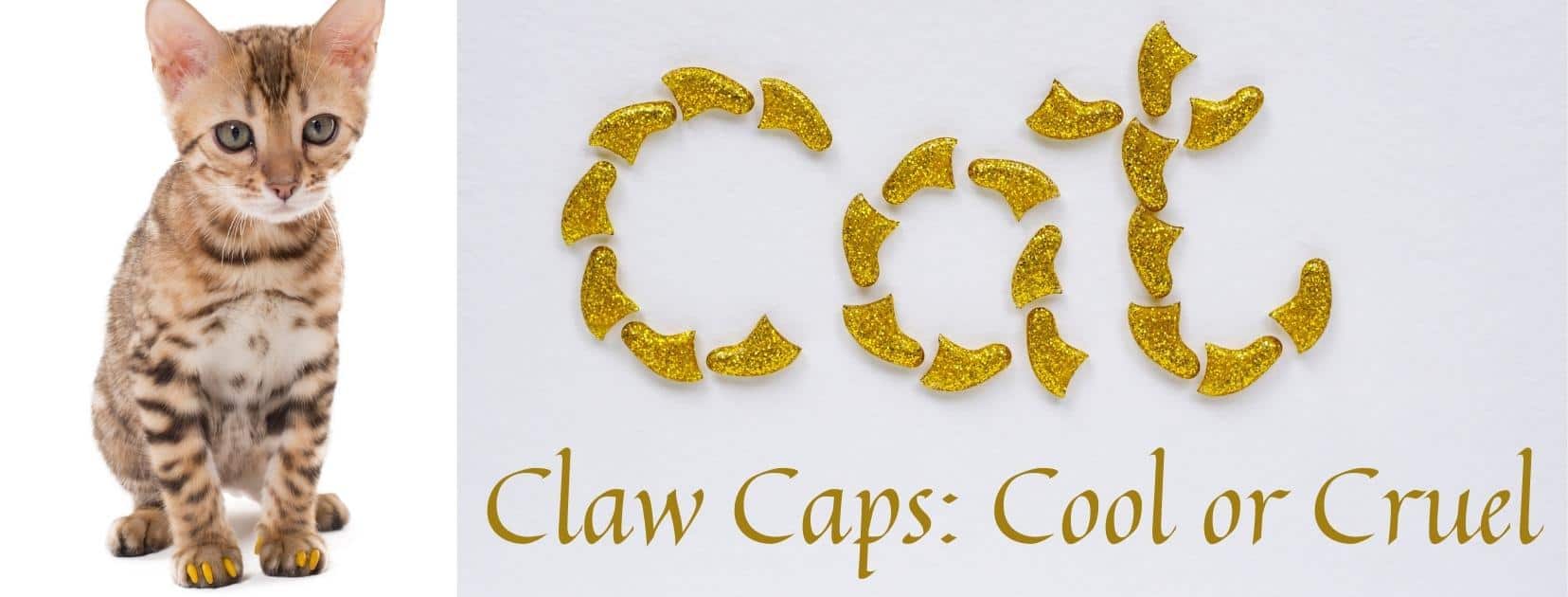
Cat nail caps are tiny plastic caps that you glue onto your cat’s claws. Each cap should stay on Kitty’s claw for about six weeks and then fall off as her nail grows out. You can apply claw covers at home, but your vet or groomer can remove them for you if you need help. Just replace the caps with new ones after the others fall off. You can get them in a variety of fashion colors or go with clear caps. Nail caps protect your furniture and your body from Kitty’s claws.
A few different companies make cat nail caps, but the most well known is from a company called here.
Contents
- 1 Why Do People Use Claw Caps for Cats?
- 2 What are Some Reasons Not to Use Cat Nail Caps?
- 3 Do Cat Nail Caps Stop Cats From Scratching?
- 4 Do Claw Caps Prevent Cats from Retracting Their Claws?
- 5 Do Cats Get Infections from Cat Nail Caps?
- 6 But do Claw Covers Cause Damage to the Claw or the Nail Bed?
- 7 Why Do I Need Cat Nail Caps if I Have Scratching Posts, and My Cat Uses Them?
- 8 I Keep My Claws Trimmed. Do I Really Need Claw Caps?
- 9 Are Claw Caps Humane?
- 10 Are Cat Nail Caps Cruel?
Why Do People Use Claw Caps for Cats?
People usually use cat claw caps to protect their furniture, their children, or themselves from their cat’s claws. While I prefer training cats to behave appropriately when scratching or playing too roughly, claw caps can be a useful tool during the training process.
Claw caps are a humane alternative to declawing. Cat nail caps can keep cats in their home and out of the shelter system by preventing damage to their homes and their people.
Health Conditions Make Scratches Extra Risky
People with suppressed immune systems might need the extra protection from their cat’s claws that nail caps provide. It could be only temporary while undergoing chemo or other treatment. Or it could be a lifetime situation.
Folks prone to MRSA, with joint replacements, diabetics, and people with autoimmune diseases that take immunosuppressant medications might consider whether nail caps are right for their furbaby. It won’t do Kitty any good for you to end up in the hospital after all.
Elderly people with delicate skin also benefit from using nail caps on their kitty.

Protecting Small Children:
Some parents are afraid that Kitty will scratch their babies. Nail caps can give you a greater sense of security that both baby and kitty will be safe.
Rough-playing kittens and little kids can definitely be a dicey combination. Toddlers can freak out a cat. Suddenly this baby who has been no trouble at all is mobile, unpredictable, and at eye level. Even a placid cat might be prone to swiping out with his claws to avoid a close encounter.
Keeping claw caps on Kitty while you teach your kids how to interact with him safely can be a good step.
For more tips about keeping your kids and cats safe, click on this post
Teaching a Tough Cat to Keep Their Claws to Themselves:
Whether you’ve adopted an unsocialized kitten or rehabilitating a feral, cat nail caps can make it easier to work with them. Nail caps are a solid choice for cats that have an unpredictable aggressive streak, are quick to swat, or kittens that haven’t learned not to pounce on your feet from under the bed with all their claws extended.
Protecting Your Belongings – or Your Landlord’s – From Kitty’s Claws
Cats scratch. It is a natural behavior that they do. They need the outlet. It is up to us to provide scratchers in proper locations. But cat nail caps can save our stuff while we work on training our furbabies where it is ok to scratch and where it is not.
Some apartment complexes will only allow you to rent with your cat if you declaw him. Keeping him in cat nail caps may be an alternative. Educate the landlord and see if you can change the terms of the lease. If the landlord still wants you to declaw, don’t rent from them.
Saving Kitty’s Skin from His Claws
Hairless cats, cats with sensitive skin or skin conditions, and cats that harm themselves with excessive scratching benefit from cat nail caps. This situation is likely the only situation where you need to apply the nail covers to your cat’s back claws.

What are Some Reasons Not to Use Cat Nail Caps?
Your Cat Goes Outside
Claw Caps are not suitable for outside cats because they remove Kitty’s best source of defense. A cat with nail caps can’t protect herself from predators or the neighbor cat that wants to fight. Kitty will have a harder time climbing a tree to extricate herself from a dangerous situation. Save the nail caps for your indoor cats.
Maintenance is too Complicated or Expensive
Cat nail caps need regular monitoring to make sure they are still properly applied as Kitty’s claw grows out. They need to be reapplied every 4-6 weeks. Your cat’s claws will still grow. After those 4-6 weeks, remove the nail caps if they haven’t fallen off naturally. Then trim Kitty’s nails and clean her claws before applying the new set.
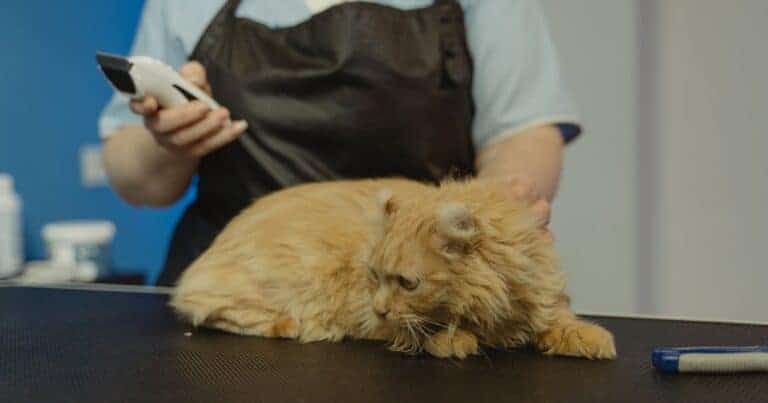
There is a learning curve to applying the nail caps. Your cat may not be a suitable candidate for claw caps if she is difficult about having her nails trimmed or paws handled. If you can trim your cat’s nails, you can probably apply claw covers.
Four to six weeks is a typical grooming cycle, so your groomer can apply the new claw covers during Kitty’s regular appointment. Your vet can apply them as well. But there is definitely a cost involved, especially if your vet requires sedation for grooming.
Nail trimming doesn’t have to be a difficult, dramatic experience for you and your kitty. Click here for a post with detailed instructions.
Your Cat Can’t Adjust to the Nail Caps
Some cats will adapt effortlessly to the new bling on their paws. Some may take a few days to adjust. There are some cats, though, who’ll never warm up to the caps. They will spend their time biting off the caps. You can apply a bit of Phooey Spray to the claw covers to deter Kitty.
Claw covers might not work for you if Kitty is still obsessed with getting the caps off her claws after the first few applications. The Soft Claws brand has a cleat lock system that is supposed to make them harder for Kitty to remove. You might give them a try before giving up on cat nail caps.
Cat Nail Caps are Plastic
There is an element of non-biodegradable plastic waste with the nail caps. This is more of a problem during the beginning stages while you are learning how to fit and apply them. They aren’t big, so it isn’t an enormous problem, but it is there.
Besides the waste issue, they aren’t digestible. If Kitty swallows a claw cap, don’t panic. The glue and the product are nontoxic. They should pass through her digestive tract with no problem. But you want to monitor her if she is one of the few that is obsessed with chewing the claw covers off. This is one reason it is important to monitor her paws regularly.
You Think They Are Silly
Cat nail caps are not meant to be fashion accessories. Use them while training or for safety as previously discussed. The cute colored caps can be a sort of bonus if you like the idea of making Kitty fashion forward. But the claw caps do come in clear, so your furbaby’s claws will appear natural. But if the idea of claw covers is positively ridiculous to you, then don’t use them. Just don’t re-home or declaw your kitty because of scratching behaviors without considering whether cat nail covers can help you.

Do Cat Nail Caps Stop Cats From Scratching?
No, they don’t. The caps just make their claws dull so they can’t do damage. Kitty will still scratch. The claw caps are not an alternative to training your furbaby where you’d like her to scratch instead of your new sofa. Once Kitty is scratching in the proper places, you can stop using nail caps.
Do Claw Caps Prevent Cats from Retracting Their Claws?
No. Not at all. A veterinarian developed cat nail caps specifically for cat claws. If you have fit and applied the nail caps properly, they don’t change the way cats walk or use their claws at all. They can make all their natural movements. The only way that cat claw caps restrict Kitty is from climbing because they can’t dig into the surfaces.
Kitty extends her claws in a way that is like the way a ballerina extending her ankle and points your toes. Claws don’t really disappear into the paw. If you check on a hairless cat, you’ll see that the curved part of her claw is always out. That is the only part of the claw that the caps cover.
Purrdy Paws is the original vet-created cat nail cap. Click here to buy them at Chewy.
Do Cats Get Infections from Cat Nail Caps?
Can a cat get infections from claw caps like humans can from acrylic nails? In a word, no. Kitty’s claws differ from your nails. Claws form in layers, sort of like an onion. Cats shed the outer layers as they grow out. The nail caps will fall off as the nail grows. Remove the claw caps every 4-6 weeks if they don’t fall off.
If you don’t press the nail cap into the skin at the base of the claw, Kitty can’t develop an infection.
But do Claw Covers Cause Damage to the Claw or the Nail Bed?
Claw caps are veterinarian developed. If you use the right size and apply them correctly, nail covers shouldn’t damage the claw itself or the nail bed. Choose the right size, trim the nail slightly longer than you normally would, and don’t use too much glue. Leave space between nail cap and nail bed.
Cat claws caps applied properly will not cause pain or damage to your kitty’s claws or paws.
Why Do I Need Cat Nail Caps if I Have Scratching Posts, and My Cat Uses Them?
Scratching posts let Kitty communicate and define their territory. They also let them maintain their claw health. The scratching will remove dead layers of their claw. Every cat needs scratching posts.
But those happy, healthy claws are still sharp. Kitty’s “razor paws” can still damage you, your kids, and your stuff. Claw caps dulls those sharp points and prevents damage, while letting Kitty lead a normal life with normal cat behaviors.
Cats have to scratch. Read more about how to train your cat to stop scratching on your couch.
I Keep My Claws Trimmed. Do I Really Need Claw Caps?
You might not. Does Kitty keep her scratching on her scratching post instead of your couch? Is she prone to aggressive play? Do you have any of the medical factors where getting scratched would be a risk to you?
Are Claw Caps Humane?
Cat Nail Caps are totally safe and humane. They are a non-toxic, pain-free method to protect people and products from scratches without changing your cat’s behavior or lifestyle unless he goes outside now.
Are Cat Nail Caps Cruel?
The suggestion that nail covers are cruel seems primarily to stem from the myth that the claw caps prevent cats from naturally retracting their claws. Hopefully, we have addressed the fact that is just not true.
The other issue that seems to come up when someone asks this question is that we are applying something to our cat instead of modifying the environment. Plus the fashion forward thing.
Cat nail covers should be a part of a bigger picture plan. You need the scratching post and the playtime, the training, and the environmental adaptation. Personally, I see them as a last resort unless you need the caps because of a health risk situation that will not change.
Cat nail caps were developed to be a safe and humane alternative to declawing or re-homing your cat. They prevent injuries to the elderly, children and other at-risk members of the family. Claw caps prevent damage to your furniture or house without harming your cat.
Most of the major brands of claw caps also make a line of nail caps for dogs to prevent scratched wood floors or harming people by jumping and scratching. Claw caps work great on ferrets, rabbits and iguanas too.