
What to Know About Cat Vaccinations
Last Updated on June 24, 2024 by Holly Anne Dustin
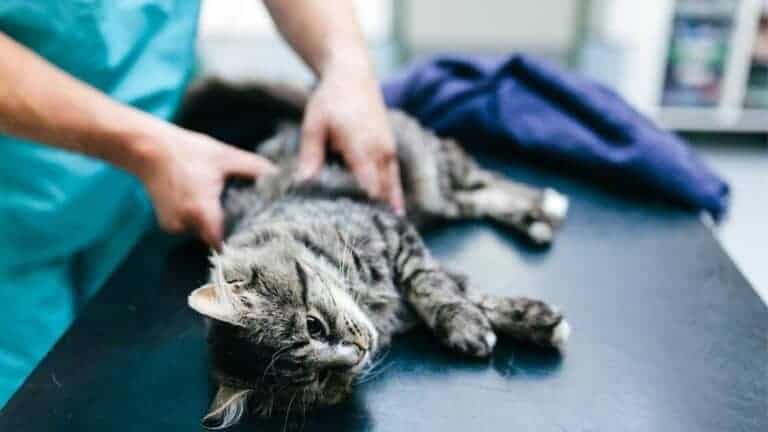
Cat vaccinations stimulate your Kitty’s immune system to create protection from specific feline diseases like rabies and rhinotracheitis. There is no arguing that cat vaccines save lives; even human lives in the case of rabies. But they also have the potential to cause serious side effects. In cats one of the potential side effects is cancer.
Cat vaccination recommendations are among the most contentious debates in veterinary medicine. It’s easy to be overwhelmed when you hear conflicting information about whether your cat needs them and the adverse effects they may have.
https://www.petmd.com/cat/wellness/essential-cat-vaccinations
It is important to work with your veterinarian to develop a vaccination plan that works for you and your kitty, taking into account his risk factors.
Contents
What Kind of Vaccinations Does My Cat Need?
The essential vaccines for Kitty are the Core Series: the 3-1 FVRCP and the rabies vaccines. Some add the FeLV to the essentials list.
Core Series:
FVRCP
The FVRCP, sometimes called the distemper shot, is a 3 in 1 vaccine. The FVRCP protects against 3 common viral diseases: feline rhinotracheitis, feline calicivirus, and feline panleukopenia.
FVRCP stands for feline viral rhinotracheitis, calicivirus, and panleukopenia. Calicivirus and rhinotracheitis are common feline viruses know to cause upper respiratory infections in cats.
Panleukopenia, commonly referred to as feline distemper, is a highly contagious disease that attacks rapidly growing and dividing cells like those in the intestines or bone marrow.
Rabies
Rabies is a fatal disease transmitted though the saliva of an infected animal. It affects domestic cats and dogs as well as wildlife. It also affects humans. This is why the rabies vaccine is required by law in many locations.
Feline Leukemia vaccine (FELV)
Technically not part of the core series, most vets highly recommend it for all kittens and for cats that go outside. Casual contact, bite wounds, and nursing can all transmit the infection. A cat diagnosed with FelV has about a 2-3 year lifespan.
Non Core
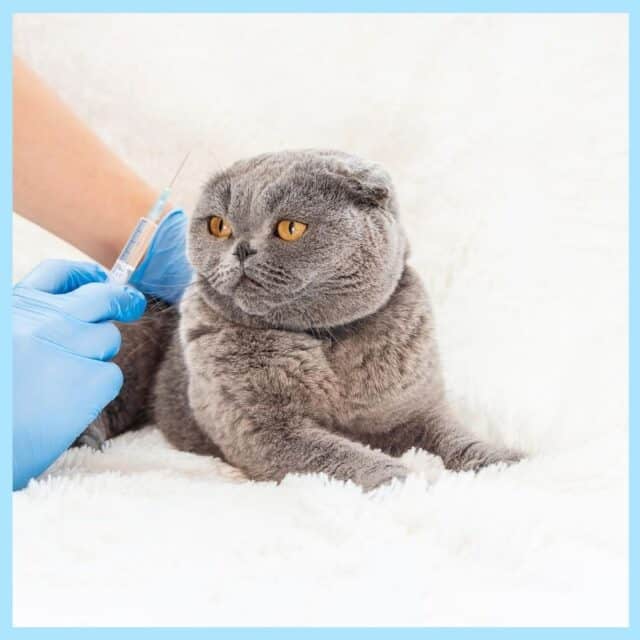
Discuss the non-core series with your vet. The decision to give Kitty these vaccines depends on your furbaby’s age, health, lifestyle, and exposure to other animals.
FIV
FIV is similar to HIV in humans. It’s a virus that compromises a cat’s immune system. It is spread through serious bite wounds so if your cat is indoor only and isn’t a fighter he should live a normal life.
Some state systems and some vets don’t believe FIV cats can be adopted out. Your cat will always test positive if they are receive this vaccination, so if they are ever lost and tested in a shelter it could not be too good for him. The vaccine isn’t as effective as others. Consider the risks and benefits before vaccinating for FIV.
FIP
Feline Infectious Peritonitis is a mutant virus. Until recently FIP has been virtually 100% fatal. Work done at UC Davis now has a treatment under development. Since the virus mutates within a specific cat it is not contagious. Since the vaccine has not been proven to be significantly effective. It is not normally recommended.
Bordetella
Also known as kennel cough, Bordetella is a bacteria that causes upper respiratory infections. Cats get infected by direct contact. It is most common in shelters and boarding facilities. Discuss your cat’s general risk if your cat is going to be boarded. This vaccine isn’t something that needs to be given regularly.
Chlamydia Felis
This causes bacterial conjunctivitis and upper respiratory infections in cats. Vaccination can help control the spread of the bacterium in multiple cat environments where verified infections have occurred.
Ringworm
Vaccines against ringworm are ineffective in cats, and are not recommended.

My Cat Stays Inside. Do Indoor Cats Really Need All These Shots?
Rabies is often required by law. One reason is that the most common carriers are bats. Infected bats tend to fly into people’s houses. It isn’t uncommon to have a bat in your house and not even know it until your cat catches it. Then not only do the humans have to go through rabies shots but your cat will have to be in a super strict quarantine for 6 months if he isn’t properly vaccinated or put down.
The other vaccine that is usually recommended for indoor cats is the FVRCP. These very contagious viruses are native to the environment. We can bring the germs in on our clothing. The risk increases if we have dogs or other pets that go outside. So there is a risk of exposure even for your indoor-only kitty.
You and your vet will have to discuss the risks and benefits of vaccinations for your indoor cat.
How Often Do Cats Need to Be Vaccinated?
Kitten Vaccinations:
Kittens receive a series of vaccines over a 12 to 16-week period beginning at between 6 and 8 weeks of age. Don’t vaccinate kittens younger than 6-8 weeks old because the kittens will still have some immunity from their mama cat and won’t get full benefit of the immunity from the vaccines.
The typical vaccination for kittens is usually given as follows but your vet will customize a schedule for your kitten.
- 6-10 Weeks Old: FVRCP (feline distemper)
- 11-14 Weeks Old: FVRCP (feline distemper), FeLV (feline leukemia)
- 15+ Weeks Old: FVRCP (feline distemper), FeLV (feline leukemia), rabies vaccine.
- A booster at one year after the last of the kitten series.
It takes 5 to 10 days for immunity to develop. Kittens with remaining immunity from the antibodies they get from their mother will not be affected by the vaccine. This is one reason not to start the vaccination cycle too early. I definitely don’t start under 10 weeks with my own cats.
Immunity isn’t complete until all kitten boosters are completed. Don’t expose your kitten to other cats or start his adventure cat training until he has all his kitten vaccinations.

Adult Cat Vaccinations
If you adopt an adult cat with an unknown vaccination status should receive the same series of vaccines as a kitten, up to and including the one year booster.
Then things get complicated. This is where most of the controversy about cat vaccinations erupts. According to the American Veterinary Medical Association and the American Association of Feline Practitioners, cats may not need to be boostered yearly for most diseases. There is increasing evidence that the initial vaccine series gives a longer lasting immunity than previously thought, possibly even lifetime immunity.
Your cat’s risk of exposure and other lifestyle factors should determine for what and when Kitty is vaccinated. Your veterinarian will be able to customize a vaccination schedule for your cat.
What are the Side Effects of Cat Vaccines?
Most cats do fine after receiving their vaccines. If your cat does have a reaction, they are usually minor and don’t last too long. Serious reactions do occur. It is important to keep an eye on your furbaby after he receives a vaccine.
Mild Side Effects of Cat Vaccines
Most mild reactions are similar to those that we experience after getting a shot:
- Fever
- Severe lethargy
- Loss of appetite
- Vomiting
- Diarrhea
- Swelling and redness around the injection site
- Lameness (soreness at injection site)
Serious Side Effects of Cat Vaccines
Allergic Reaction:
One in a thousand cats will have serious reaction. One in 15,000 will experience anaphylaxis. Contact your vet immediately if Kitty shows these signs of severe allergic reaction.
- Signs of Shock
- Seizures
- Vomiting repeatedly
- Constant diarrhea
- Hives
- Swelling around their face and head
- Difficulty breathing and coughing
- Fainting
- Pale gums
- Cold limbs
Tumors:
A more serious problem is a cancer that develops at injection sites. Vaccine-associated sarcoma (VAS) or Feline Injection Site Sarcoma (FISS) is a cancerous mass that develops at injection sites. The Rabies and Feline Leukemia (Felv) are most likely to cause a tumor.
Monitor Kitty’s injection for a swelling that doesn’t go away after two weeks or if one appears within 3 months.
The benefits of vaccination outweigh the risks of a sarcoma for cats that don’t have a history of vaccine reactions. You can further reduce the risk by using a non-adjuvanted vaccine.
Adjuvants are vaccine additives designed to increase the body’s response to the vaccine. This additive has been linked to the VAS. Ask your vet for the Merial Purevax vaccines. They are more expensive but safer.
The FVRCP vaccine has been shown to cause kidney inflammation. Some suggest a link between vaccines and inflammatory bowel disease and hyperthyroid disease.
How Long Do the Side Effects of Cat Vaccines Last?
Mild reactions typically start within hours after vaccination and usually subside within a few days. Most resolve without treatment. But your vet can treat Kitty with injectable antihistamines, steroids, anti-nausea drugs, or pain medications if necessary.
Treatment for serious reactions require veterinary treatment. Don’t wait if Kitty experiences a serious reaction. He might need hospitalization to monitor his condition and provide IV fluids, airway dilators, and epinephrine.

Is it Okay Not to Vaccinate a Cat?
Rabies is the only cat vaccination required by law. There is no legal requirement for FVRCP or FeLV vaccines anywhere in the world.
That being said, you may have to update Kitty’s vaccines if you use a boarding facility. Some vets require you to keep Kitty current on her shots to remain a client.
Vets are concerned about increasing the length of time between vaccinations for cats. This is a legitimate worry considering how difficult it is to convince cat guardians to bring their babies in for their yearly exams.
At What Age do You Stop Vaccinating a Cat?
Vaccination intervals will vary, both from cat to cat, home to home, and with different diseases. There is no single vaccine protocol that fits every cat guardian’s comfort level.
There are many factors involved in the decision making process but fundamentally it is a risk/benefit analysis based on the information we have about the duration of immunity (DOI.) The science is ongoing.
You can titer test instead of boostering as your cats get older. If the titer shows that Kitty’s immunity is still strong you can put off her vaccinations until the next year. Then test again the following year. Most states won’t accept a titer in place of a rabies vaccination though.

What is the Cost of Vaccinating My Cat?
A reasonable estimate is $60. Obviously the cost is going to vary place to place. Average cost of vaccines per shot is $15-$28. Some vets will blend it in to the cost of an annual exam. Others offer low cost vaccination only visits or clinics in the community.
Some rescues, pet stores, and drug stores offer mobile vaccination clinics. Researching can save you money if that is a reason against keeping your kitties vaccinated.
The PETCO clinic near me charges $59 for the 4 in 1 and $10 extra for rabies. You’ll need a $15 test first if you don’t have a current FeLV vaccination. ShotVet has a package for $98. Single vaccines are $19, or $39 for the PureVax non-adjuvant vaccines.
Summary
Cat vaccines are medically proven to combat crippling and fatal feline diseases. As people do more scientific research into cats and vaccines, they can produce safer products, and tailor the recommended vaccination schedule best practices.
As dedicated cat lovers, it is important that we read and learn and decide what we are comfortable with as far as vaccination and overvaccination. We all want the same thing – our furbabies to be happy, healthy cats.