
The What and Why of Cat Zoomies
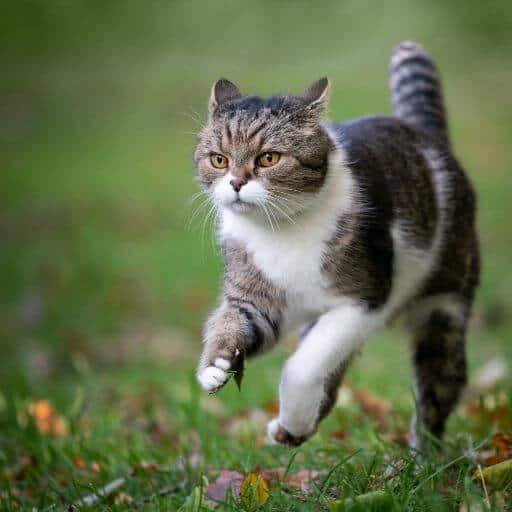
Annnnnd they’re off! Its the Furball 500! One minute Kitty is sleeping peaceably on the couch and the next she’s racing across the house as if her tail’s on fire. The Zoomies are on! Call it the zoomies, the night time crazies, wild time, or whatever you want, this cat behavior is a normal and healthy display of feline physicality. It is also pretty funny for their humans to watch (maybe not at 4 a.m.)
Understanding why cats engage in zoomies can offer insights into their mental and physical state. It can be a release of pent-up energy, a response to stress or excitement, or just playfulness and joy. The zoomies can also serve as an outlet for cats to fulfill their innate predatory instincts. Zoomies replace the physical actions cats would normally use to hunt. Not only does this behavior keep them active, it also helps maintain their natural agility and provides essential mental stimulation.
Contents
Understanding Cat Zoomies
Cat zoomies, scientifically known as frenetic random activity periods (FRAPs), are bursts of energy in which cats run wildly around their environment. These episodes are more common with indoor cats and energetic youngsters. An intricate interplay of natural instincts and environmental factors typically explains this behavior.
Causes and Triggers
Several factors trigger zoomies in cats. Commonly, pent-up energy that accumulates during restful periods, especially in indoor cats, leads to such explosive moments. Playful behavior and her innate hunting instinct may also trigger zoomies, as cats mimic the chase-and-pounce actions typical in hunting prey – or being chased by a predator.

Environmental stimuli such as noises or movements can act as catalysts. Times of day like dusk and dawn often contribute to the likelihood of a FRAP episode. Those are the times cats are most active.
Zoomies in Different Cat Life Stages
Your kitty’s “zoomies” happen with cats of all ages and can hint at their overall health and energy levels.
Kitten Zoomies
Kittens get the zoomies as a normal part of their growth. Playtime is an essential element to their development. During this life stage, they have high energy levels, and their playful sprints help them practice hunting skills. Offering her a variety of toys can channel their hyperactivity positively and provide necessary exercise.
Adult Cat Zoomies
Adult cats maintain their youthful vigor through zoomies, although they may occur less frequently compared to when they were kittens. Regular exercise and interactive play stimulates their senses and prevents potential health issues. This age is a balance of activity and the beginning signs of maturing behavior.

Senior Cat Zoomies
While less common, senior cats still get the zoomies, though usually shorter and less intense. Cats with cognitive dysfunction might wake up startled and start bolting around the room. Monitor them during these bursts of activity to ensure they don’t hurt themselves.
Related Post: Enrichment for Senior Cats
Potential Health Indicators
Cat zoomies are usually nothing more than normal behavior to release energy. But sometimes they indicate an underlying health issue that Kitty’s guardians should be aware of.
Zoomies and Stress
Cats often exhibit zoomies, or frenetic random activity periods (FRAPs), as a means of stress relief. When a cat has excess energy or feels anxious, they may suddenly sprint around the house. This is generally considered a normal behavior and a way for cats to relieve tension.
However, if the zoomies are more frequent or intense, it might be a sign of increased anxiety. See if you can help relieve Kitty’s stress.
Zoomies as Symptom of Disease
Zoomies are usually just a funny, harmless, behavior. But zoomies can also be a symptom of medical issues. Feline hyperthyroidism is a common condition in older cats, characterized by an overactive thyroid gland. One of the symptoms is an increased activity levels. If the midnight crazies are accompanied by weight loss, changes in appetite, or increased thirst it is time to see the vet.
Another potential cause for sudden bursts of activity is acute pain or discomfort. Feline Hyperesthesia can set off a round of the zoomies. Digestive issues, allergies, or fleas can also change Kitty’s behavior. She literally tries to run away from whatever is bothering her to find relief.
Identifying Abnormal Behavior
Cat owners should monitor for signs that indicate abnormal behavior during these bouts of high energy. If a cat exhibits overgrooming or destructive behavior that goes beyond playful mischief, it may be time to seek help. Aggression and biting that are unprovoked can be indications of underlying issues. Contact your veterinarian if you notice any behaviors that concern you.
Managing Cat Zoomies
If you’ve checked with your vet and determined that Kitty’s zoomies don’t have a medical cause then your next question is likely to be – how do I get her to stop this? Especially at 4am.
Like a lot of the behavior challenges we have with our furbabies, zoomies can be managed with enrichment and routine.
Indoor cats thrive in environments that cater to their natural behaviors such as climbing, scratching, and hiding. These activities help prevent boredom and reduce the need to relieve that pent up energy. By providing a variety of enrichment options, owners can enhance their feline friends’ quality of life.
Creating a Playful Environment
To manage zoomies, provide a variety of toys to keep a cat engaged. Rotate these toys to maintain interest and prevent boredom.
Puzzle feeders and forage boxes offer exercise, but they also promote problem-solving skills and mental fitness.
Cardboard boxes, tunnels, or dedicated cat hideaways can be strategically placed.
Regular play sessions are crucial. They should involve interactive play, which include toys that mimic prey. These sessions provide physical exercise and mental engagement, allowing cats to expel energy in a controlled manner so she doesn’t have pent up energy to release in the zoomies later on.
Enrichment Ideas for Indoor Cats
Cats possess a natural instinct to climb and observe their domain from high vantage points. To satisfy this need, get Kitty a tall cat tree with multiple levels to jump and climb on. Or install cat shelves to let her explore at height.
Offering a variety of vertical and horizontal scratching surfaces such as carpet, sisal, and cardboard around the house. Meeting Kitty’s innate need to scratch gives her a way to work out her stress and expend excess energies that are causing her midnight crazies.
Related Post: Environmental Enrichment for Indoor Cats
Routine and Scheduling
Maintaining a stable environment with a consistent schedule can reduce the unpredictability of zoomies. Cats thrive on routine, and a reliable schedule for meals, play, and rest helps regulate their energy throughout the day. By sticking to a structured daily routine, cat servants can help stabilize their cats’ energy levels and reduce frantic wild time episodes.
Summary
Cat Zoomies, or Frenetic Random Activity Periods (FRAPs), are a common and natural behavior in felines. They often exhibit this burst of energy during their active phases, particularly in the late evening or early morning. As cat guardians it is important that we understand this behavior, recognize our cat’s specific triggers, and ensure a safe environment where Kitty can go off to the races without causing harm to herself or the household. Consult your veterinarian if you think it could be a medical problem. In the meantime, enjoy the laughs her crazy antics inspire.