
Why Is My Cat So Clingy? Understanding Your Velcro Cat
Cats have a reputation for an independent nature, but cats do attach deeply to their humans. In fact, some felines can be quite clingy, even to the point of being annoying. If Kitty follows you around the house, meows for attention, jumps in your lap in the minute you sit down, or constantly rubs against your legs, you may be wondering why she is so attached to you. Where is that independent cat you thought you were getting? While some cats are naturally more social than others, there are several reasons why a cat is clingy.
One possible reason for a clingy cat is separation anxiety. Cats can become anxious when their owners leave for extended periods, leading to clingy behavior when they return. Another reason could be boredom or lack of stimulation. If a cat is not getting enough mental or physical exercise, they may seek attention from their owner as a way to alleviate their boredom. In some cases, clingy behavior can also be a sign of an underlying health issue, such as hyperthyroidism or arthritis.
Contents
Understanding Cat Attachment
Understanding cat attachment can help cat guardians better relate to their feline friends. It is important to strike a balance between meeting Kitty’s attachment needs and promoting her independence. It’s heartwarming to be the object of your cat’s affection, but encouraging her Velcro Cat act can lead to separation anxiety and behavioral issues. To ensure a healthy and balanced relationship, it’s crucial to encourage Kitty’s autonomy while still providing them with the love and attention they crave.
Bonding Behaviors
Contrary to myth, cats are social animals that form strong bonds with their people. Some of the most common bonding behaviors that cats exhibit include head-butting, rubbing against their guardians, and sitting on laps. These behaviors are a way for cats to show affection and to mark their owners as part of their territory.
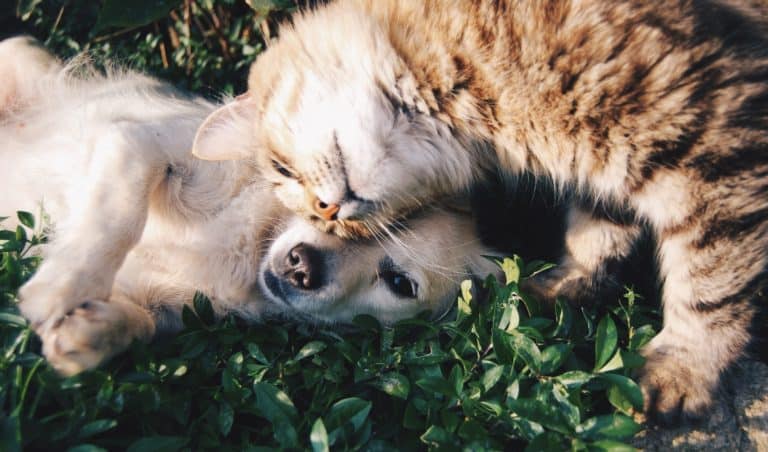
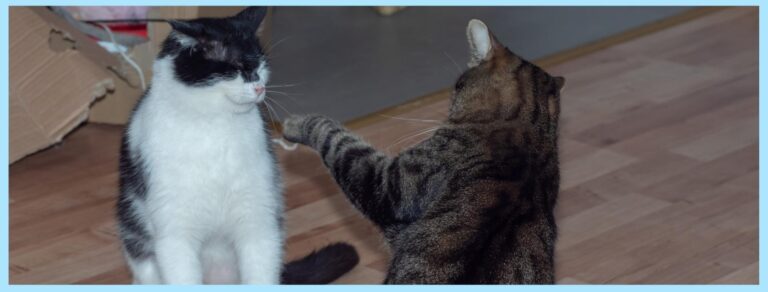
In addition to bonding with their humans, cats can also form strong bonds with other cats, and even dogs, in the household. These bonds are important for their socialization and can help prevent behavioral problems.

Separation Anxiety
Just like humans, cats can experience separation anxiety when they are separated from their guardians. This can lead to behaviors such as following their human around the house or meowing excessively when they leave to go to work.
Related Post: Separation Anxiety in Cats
To help reduce separation anxiety in cats, guardians can provide plenty of toys and activities to keep their cats occupied while they are away. They can also create a comfortable and secure environment for their cats by providing a cozy bed, hiding spots, and plenty of vertical space to climb.
Overall, understanding cat attachment can help cat owners provide a happy and healthy environment for their feline friends.
Common Reasons a Cat is Clingy
A cat can be clingy for various reasons. Identifying the underlying causes of Kitty’s excessive neediness is the first step towards finding a solution that benefits both you and your furry friend.
Changes in Environment
Cats are territorial creatures of habit, and any change in their environment can make them feel insecure and anxious. In this case, your cat is to clingy because she is looking for comfort and reassurance from her favorite person. You are the fundamental source of her security. Some common changes that can turn Kitty into a Velcro Cat include:
- Moving to a new home
- Introducing a new pet or family member
- Rearranging furniture or household items
- Changes in routine or schedule
To help ease your cat’s anxiety, try to maintain a consistent routine and provide them with plenty of familiar objects, such as their favorite toys and bedding. Additionally, you can try using pheromone sprays or diffusers to create a calming environment.
Health Issues
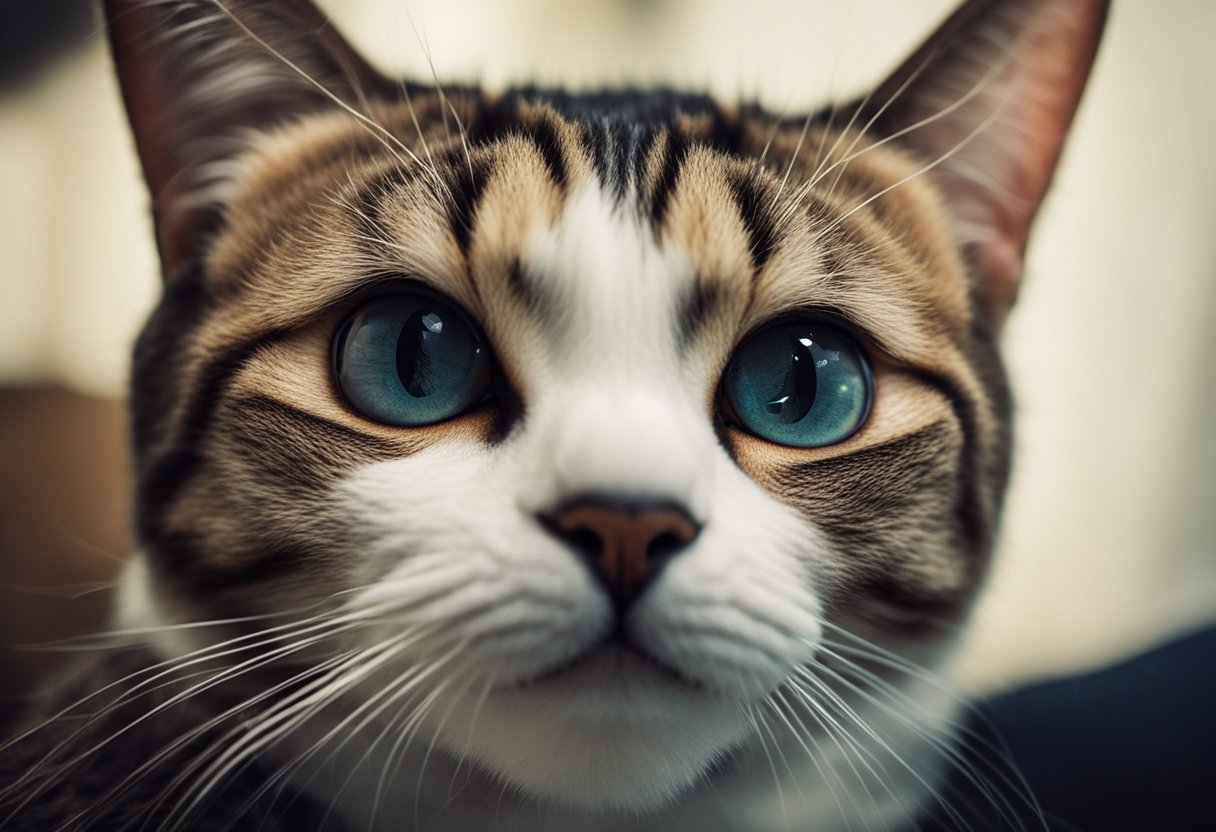
A clingy cat can have an underlying health issue. A cat that is feeling ill or in pain may seek comfort from their guardian. Some common health issues that can cause clinginess in cats include:
- Arthritis or joint pain
- Dental problems
- Thyroid issues
- Urinary tract infections
If you suspect that Kitty is clingy because of a health issue, take her to the vet for a check-up. Early diagnosis and treatment can help prevent the issue from worsening and improve your cat’s quality of life.
Traumatic Pasts
Cats that have experienced trauma or neglect in their early lives may become dependent on their humans for security. This doesn’t just apply to kitties that have experienced abuse, physical trauma, or neglect in terms of lack of food and water. Kittens that were removed from their mom and littermates too early before they were properly socialized lack security. They have a stronger need for companionship and seek constant closeness.
Lack of Enrichment and Socialization
Cats that have limited exposure to social interactions and environmental stimuli may become overly dependent on their human companions for stimulation and companionship. This can result from living in a restricted space, limited socialization opportunities, or simply not having access to other feline or animal companions. In such cases, the cat may latch onto their human caregiver as the primary source of companionship.
Breed Dispositions
Cats come in a variety of breeds, each with their unique personality traits. Some breeds are known for being more affectionate than others, which can contribute to a cat’s clinginess.
Affectionate Breeds
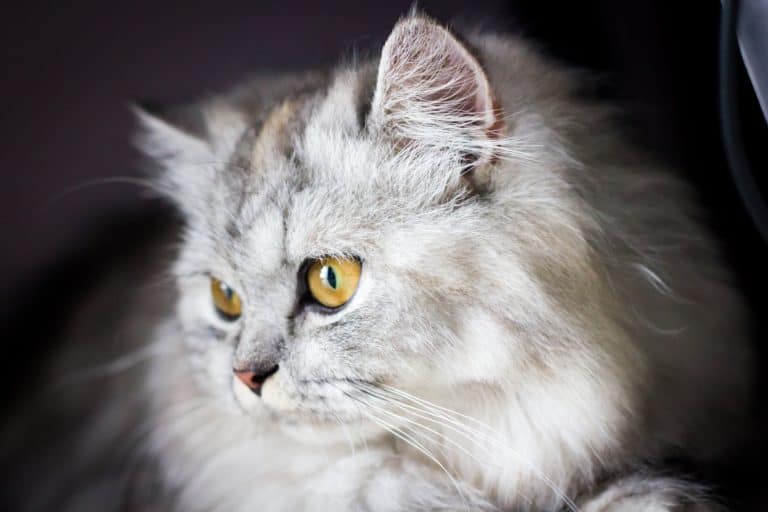
Certain breeds of cats are known for their loving and affectionate nature. Ragdolls and Tonkinese are bred for it. Siamese are described as “dog-like” in their loyalty and affectionate connection to their humans. The sweet Birman is a definite people cat that loves to follow their guardians all around the house.
It’s important to note that while breed can play a role in a cat’s personality, it’s not the only factor. Each cat is an individual with their unique personality, and even within a breed, there can be significant variation in temperament.
Age-Related Factors
Kittens
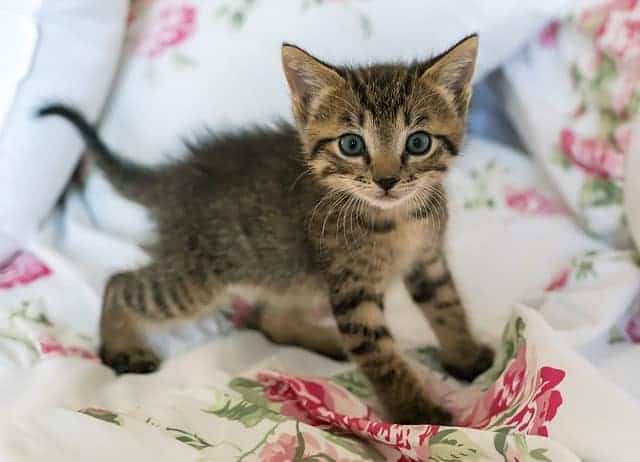
Kittens are known for their playful and curious nature, but they can also be very clingy. This is because they are still adjusting to the world around them and they feel safer when they are close to their caregiver. Kittens who are separated from their mother too early may also develop clingy behavior as they try to find comfort and security.
As a kitten grows and becomes more confident, they may become less clingy. However, some cats may maintain their clingy behavior throughout their lives, especially if they have a strong bond with their caregiver.
Senior Cats
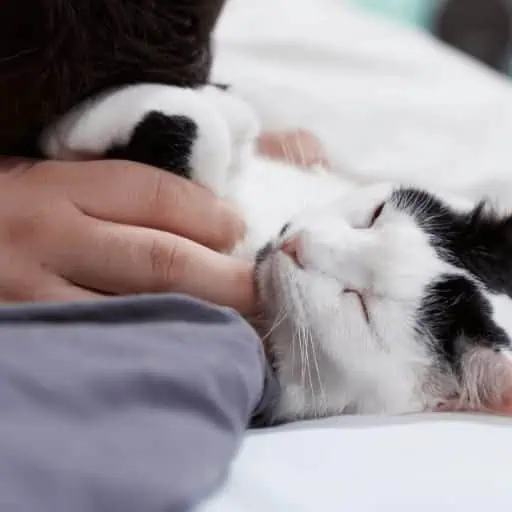
On the other end of the spectrum, senior cats may also become clingy. As cats age, they may experience cognitive decline and become more anxious or confused. This can lead to increased clinginess as they seek comfort and reassurance from their caregiver.
Senior cats may also develop health issues that require more attention and care from their caregiver. This can lead to increased clinginess as the cat relies more heavily on their caregiver for support.
Overall, age-related factors can play a significant role in a cat’s clingy behavior. Understanding these factors can help caregivers provide the appropriate care and attention their cat needs at different stages of their life.
By understanding what we know of Kitty’s history, recognizing environmental influences, age, breed predispositions, and acknowledging their innate territorial instincts, we can begin to address their attachment needs effectively
How to Manage Your Clingy Cat’s Neediness
Up Your Enrichment Game
Providing Kitty with a safe and enriching environment is fundamental to your feline friend’s security. Increasing social opportunities and enough stimulation can help if boredom is contributing to Kitty’s clingy behavior. This can include interactive toys, scratching posts, and playtime.
Cats are natural hunters and explorers. They need to engage in physical activity to stay healthy and happy. By providing them with enough stimulation, you can help them burn off excess energy and reduce their neediness.
Related Post: Enrichment for Indoor Cats
Give Kitty Space
Allowing your cat to have a designated space of his own can also go a long way in promoting his independence. Whether it’s a cozy cat bed in a quiet corner or a small room outfitted with all the essentials, having a territory that is his provides your furbaby with a sense of security and ownership.
Create a Routine
Another way to help your clingy cat is setting up a routine for her. Cats thrive on routine and predictability. By establishing a regular schedule for feeding, playtime, and grooming sessions, you can help your cat feel more secure and reduce their need for attention. Make sure to stick to the routine as much as possible to avoid confusing your cat.

Respect Kitty’s Space
Respect your cat’s boundaries and personal space. It is tempting to constantly shower your cat with affection. Avoid constantly picking them up or forcing physical contact if they are not receptive to it. Instead, let them approach you on their terms and respect their need for personal space. Granting your cat autonomy in this way helps foster their independence and overall well-being.
Don’t Reinforce the Behavior
It’s important not to reinforce your clingy cat’s needy behavior by giving in to his excessive demands for attention. Instead, wait until Kitty is calm and relaxed before giving him attention. This will help him learn that clinginess is not the way to get what he wants.
By following these tips, you can help manage your Velcro Cat’s clingy behavior and create a happier, healthier relationship with your furry friend.
When to Consult a Veterinarian
Excessive clinginess may indicate an underlying medical issue. If your cat is suddenly more clingy than usual or if her clinginess is accompanied by other unusual behaviors, it may be time to consult a veterinarian.
Here are some signs to look out for:
- Changes in appetite or weight: If Kitty is suddenly eating more or less than usual, or if she is losing weight, it may indicate an underlying medical condition.
- Lethargy or lack of energy: If your cat is unusually tired or inactive, it may be a sign of illness.
- Vomiting or diarrhea: A gastrointestinal issue indicates a medical problem that requires attention.
- Changes in litter box habits: If Kitty is suddenly using the litter box more or less frequently, or if they are having accidents outside of the litter box, it may indicate a medical issue.
If your cat is exhibiting any of these symptoms, it’s important to consult a veterinarian as soon as possible. They can help diagnose any underlying medical issues and provide appropriate treatment.
Summary
A clingy cat’s behavior can be attributed to a variety of factors, including breed, age, temperament, and past experiences. Some cats are naturally more affectionate than others, while others become clingy due to anxiety or a lack of attention from their owners.
It is important for cat guardians to pay attention to their feline’s behavior and provide her with plenty of love and attention. This can help reduce stress and anxiety, and may even help prevent Kitty from becoming a Velcro Cat in the first place.
Additionally, providing cats with plenty of toys, scratching posts, and other forms of stimulation can help keep them occupied and prevent them from becoming overly dependent on their guardians.
Overall, while a clingy cat may be cute and endearing, it is important for guardians to understand the reasons behind their pet’s behavior and take steps to provide them with the care and attention they need to thrive.