
Keeping Cats Hydrated: 5 Ways to Encourage Drinking
Last Updated on May 7, 2026 by Holly Anne Dustin
July is Pet Hydration Awareness Month, and keeping cats hydrated matters every day of the year. Cats often drink less than they need, especially in homes where they eat mostly dry food. In multi-cat homes, the problem can get even bigger because some cats avoid shared bowls or forget to drink when water is hard to reach.
Cats, whatever the breed, also come from desert-dwelling ancestors. Most animals in the desert have a low thirst drive. They get most of their moisture from their prey. Not only does that provide a steady source of moisture, but prevents poisoning from drinking stagnant water.
Cats see the world differently, too. They are near-sighted, so they may not notice the surface of still water very well. That is one reason some cats paw at their bowl before they drink and why some cats prefer a fountain over a still bowl. Moving water is easier for them to spot.
Their drinking style matters as well. When cats lap water from a bowl, they curve their tongue into a J-shape and bite off a column of water, which is inefficient. Cats only end up with 3/100 of a teaspoon per lap. It would take a long time to consume the amount of moisture they need at that rate.

Contents
How Much Water Does a Cat Need?
A 10-pound cat should drink about 7 to 9 ounces of water each day, depending on activity level. That amount sounds simple, but many cats fall short.
Dry food contains only about 6% to 10% moisture. By contrast, canned food and raw diets often contain much more, sometimes over 80%. That difference matters because a cat gets water more easily through food than from a bowl alone.
For that reason, keeping cats hydrated often starts with food, not just fresh water.
Cat Hydration and Dehydration
Having a ready supply of fresh water matters a lot to your cat’s general well being. Your cat’s body cannot function the way it’s supposed to without enough water. She needs water even more than you do. A cat’s body comprises 80% water, compared to the 60% that makes up your body!
Consuming enough water helps maintain a lot of body processes. It keeps a stable body temperature, blood circulation, improves digestion, prevents infection, speeds recovery from illness, surgery, or injury.
Water helps cats convert fat to energy. Staying hydrated gives your furbaby energy for playtime, adventures, and the zoomies.
Proper hydration is especially important for cats. It helps protect their kidney and urinary health. Cats that take in an appropriate amount of moisture are less likely to develop urinary tract problems like urinary crystals and bladder stones that can lead to obstructions.
Signs of Dehydration in Cats
So how do we know if our kitty is dehydrated? Common signs include:
- Loss of energy
- Excessive panting
- Sunken, dry eyes
- Dry, sticky gums
- Loss of skin elasticity
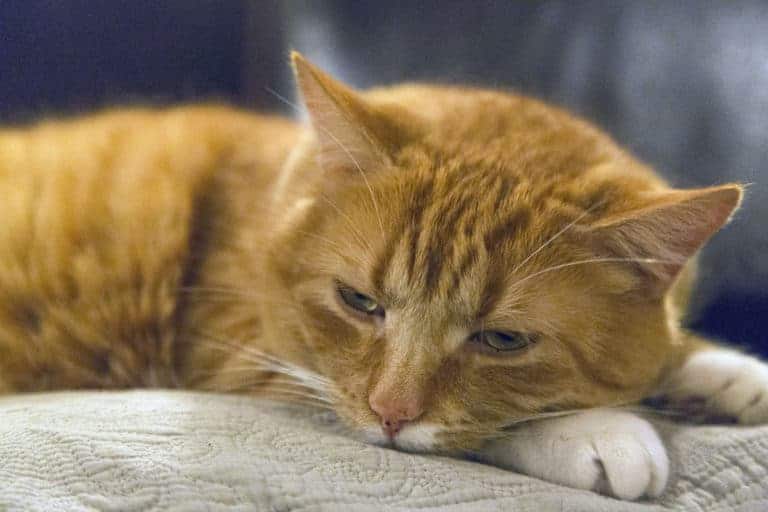
- Lack of appetite
- Vomiting and diarrhea
If you see these signs of dehydration in your cat, render appropriate first aid and call your vet. But most cats aren’t suffering from this level of dehydration. They are just mildly, chronically moisture depleted. How can we help our cats?
Watch the Water Level, Not the Drinking Scene
Most cats do not walk up to the bowl when people are watching. They drink when the house is quiet, when you are asleep, or when no one is around. Because of that, the level in the bowl tells you more than a quick glance at your cat.
Fill the bowl to the same point each day. Then it becomes easier to spot a real change. If one cat in a multi-cat home drinks less than usual, the bowl level may show it before you do.
Offer Fresh Water in the Right Kind of Bowl
Cats care about taste and feel. Many prefer fresh water over water that has sat too long. Dust, hair, and debris can also turn a cat away from the bowl.
Choose a wide, shallow bowl made of ceramic or glass when you can. A narrow, deep bowl can bother whiskers. It should be large enough for your cat to drink without rubbing the sides of the face.
In a home with several cats, set out more than one bowl. Place them in different spots so one cat cannot guard the only water source. Some cats will drink more when they have options. Others feel safer when the bowl sits away from food and foot traffic.
Keep food and water in separate places. Cats often like to see what is around them while they drink. If one spot does not work, move the bowl and try another area.
For cats that spend time outdoors or go on trips, carry a travel bowl or water bottle. They need water on the trail just as people do.

Try a Cat Fountain
Cats are sensitive to the taste of water. Most cats prefer fresh, moving water. If your cat likes to drink out of a dripping tap, leave one on for her.
A fountain can help a cat drink more, especially one that likes moving water. The motion makes the surface easier to see, and the filter can improve the taste.
Some cats like a bowl-style fountain that feels familiar. Others prefer a steady stream or a dripping spout. Quiet fountains work better for shy cats, while bolder cats may enjoy more movement. If you have several cats, choose a fountain with enough capacity for all of them.
Material matters, too. Ceramic and stainless steel are strong choices. Plastic can hold bacteria more easily, so it needs extra care.
Make Water More Interesting
Cats can be picky, so a little variety helps.
Filtered water may taste better than tap water for some cats. Bottled water can also appeal to them, depending on the source.
You can add a small amount of tuna juice, clam juice, or low-sodium broth to the bowl. Keep the amount light so the flavor draws the cat in without overwhelming the water. Changing the taste now and then can keep interest up.
Ice cubes can help, too. Many cats enjoy the sound and movement of ice in the bowl. Some bat them around first, then lick the water that forms around them. If your cat likes that, try freezing a bit of broth or tuna juice into ice cubes for a stronger smell.
A few floating toys, like ping pong balls or a small water-safe toy, can also draw attention. Some cats like to paw at the water, then stay to drink after the play stops.
Add More Moisture Through Food
The easiest way to improve hydration is often to change what your cat eats. Wet food adds a lot more moisture than dry kibble. You can also stir water into canned food or raw food to raise the moisture level even more.
Broths, toppers, mixers, and creamy treats can help, too. If your cat resists wet meals, start with a small change. Some cats accept wet treats before they accept full wet meals. That can make the switch smoother in a home with more than one cat, since each cat may move at a different pace.
If nothing else works, hydration supplements are an option, but they should come last.
Summary
Keeping cats hydrated takes a few small habits, not one big fix. Fresh bowls, more than one water station, wet food, and a little patience can make a real difference. In a home with several cats, those changes help every cat get a fair chance at the water dish.