
What Causes Bad Breath in Cats (And When to Worry)
Contents
Summary
Bad breath usually starts with mouth disease, especially plaque, tartar, and gum infection. Diet and daily habits can add to the smell, but they rarely explain ongoing odor by themselves. In some cats, breath changes can also point to medical issues like kidney disease or diabetes, so it's smart to take sudden or severe odor seriously.
Last Updated on February 20, 2026 by Holly Anne Dustin
Should my cat’s breath stink? No. Occasional bad breath in cats isn’t a problem. If we eat a meal with a lot of garlic or strong fish, we have bad breath until we clean our teeth. Likewise, if Kitty has tuna or liver for dinner he is likely to have a bit of halitosis. It will clear up as he drinks and grooms.
Bad breath in cats is common, but it’s not something to brush off as “just a cat thing.” In many homes, the most likely culprit is dental disease, especially plaque and gum infection. Still, some smells can hint at bigger health problems, including kidney disease or diabetes.
The good news is that cat breath usually improves once you fix the root cause. This guide will help you spot smell clues, understand the most common causes, recognize red flags, and know what actually works (at home and at the vet). You’ll also find simple prevention steps that fit real life, even if your cat thinks tooth brushing is a personal insult. It is time to see the vet if you notice that Kitty’s breath has developed a noticeable odor. Especially if it has changed from the normal.
 Photo by Janessa Pretorius
Most bad breath in cats starts in the mouth
A cat’s mouth is a warm, moist place where bacteria thrive. When plaque builds up, bacteria release smelly sulfur gases. That’s why “fishy,” “rotten,” or “sewer-ish” breath often traces back to teeth and gums.
It’s also why breath can be your first clue. Cats hide pain well. Some keep eating even with sore gums, loose teeth, or infection. They may swallow food whole or chew on one side, and you might not notice until the odor becomes obvious.
When the smell seems to come and go, the problem can still be there. Gum inflammation can flare, calm down, then flare again. Meanwhile, bacteria keep irritating the gums and can spread below the gumline, where you can’t see it.
For a veterinarian’s overview of typical causes and next steps, see VCA’s guide to halitosis in cats.
Plaque, tartar, and gum disease (the top cause)
Plaque is a soft film of bacteria and food debris that sticks to teeth. If it isn’t removed, minerals in saliva harden it into tartar (also called calculus). Tartar forms a rough surface that holds even more bacteria, especially along the gumline.
From there, many cats develop gingivitis (red, swollen gums). When inflammation and infection damage the tissues that hold teeth in place, it becomes periodontal disease. At that point, teeth can loosen, pockets form under the gums, and the smell often gets stronger.
Dental problems are extremely common. According to the American Veterinary Dental Society, Some 70-85% of cats have developed some dental disease by the age of three. Not surprising, consider how your teeth would be if you didn’t brush?
Watch for subtle signs, such as:
- Red or bleeding gums
- Drooling or “ropey” saliva
- Pawing at the mouth, head shaking
- Chewing on one side, dropping kibble
- Turning away from hard food, eating slower than usual
For more on cat dental disease click this link.
Tooth problems and trapped stuff, like string, hair, or food
Sometimes the odor isn’t “general plaque breath,” it’s the smell of something trapped or infected. A broken tooth can expose the sensitive inner tooth, which hurts and can invite bacteria. Tooth root abscesses can cause a sharp, foul odor, and you might also notice facial swelling or one watery eye.
Small debris matters too. Food can wedge between teeth and decay. Hair or a tiny piece of string can wrap around a tooth or get caught under the gums, then rot and inflame the tissue.
If you ever see string in your cat’s mouth, don’t pull it. String can be anchored farther down the throat or in the intestines. Pulling can cause serious injury. Instead, keep your cat calm and call your vet or an emergency clinic for guidance.
Diet and daily habits that can make a cat’s breath stink
Diet doesn’t cause most long-term cases on its own, but it can amplify mouth odor. Think of it like leaving plates in the sink overnight. Food residue feeds bacteria, and bacteria create smell.
Wet food can leave a strong scent right after eating, especially fish-based formulas. That doesn’t always mean disease. However, breath should settle back to “normal cat” within a reasonable time. If the stink hangs around all day, it’s time to look closer.
Treats and table snacks can also change the mouth environment. Sticky foods cling to teeth. Soft, crumbly treats can pack into the gumline. Even some pill pockets leave residue that bacteria love.
Chronic illnesses can also give your kitty a severe case of halitosis.
When breath changes suddenly, gets extreme, or comes with other symptoms, don’t wait it out. Some odors come from beyond the mouth, including chemicals in the bloodstream that reach saliva and breath.
A key point: smell clues can guide you, but they can’t diagnose your cat. Two cats can have the same odor for different reasons. Still, certain breath types raise concern, especially in older cats.
Changes in Kitty’s breath is an indicator of some of the common metabolic disorders in cats.
- Kidney disease: Chronic kidney disease decreases Kitty’s kidneys ability to filter waste from the bloodstream. The more his kidney function decreases the more the urea and ammonia build up in Kitty’s system. If your furbaby’s breath has an ammonia smell, have his vet check his kidney function.
- Diabetes: Diabetic cats often have a fruity or sweet smelling breath. This is caused by a life-threatening condition called ketoacidosis. Your kitty needs to have his blood sugar checked. Diabetes is a failure of the pancreas to regulate blood sugar. We can treat it with insulin and a low-carb diet. It is fairly common for cats to go into remission when their diet is addressed.
- Liver disease: Foul breath is one symptoms of liver diseases. You’ll like notice jaundice, or yellowing, of the whites of the eyes, vomiting, lethargy in addition to the stinky breath.
- Irritable Bowel Disease and Acid Reflux can also have bad breath as a symptom.
Other Problems That Can Cause Bad Breath in Cats
- Bowel Obstruction: continued vomiting, loss of appetite, lethargy, and breath that smells like poop are symptoms of a bowel obstruction. This is a medical emergency.
- Dry mouth is a leading cause of bad breath, whether you have two legs or four!
- Teething. Kittens can have bad breath while they are teething. Cats’ milk teeth fall out between 3 and 6 months.
- Food allergies can cause cats to have bad breath.
- Infections from foreign material in Kitty’s mouth. Something as simple as a hair, piece of grass or string from a toy, or food caught in the teeth can cause an infection and result in bad breath.
- Infected or dead teeth
- Oral cancers.
If bad breath arrives fast, or your cat acts “off,” assume it’s medical until proven otherwise.
Red flags that mean “call the vet today”
Use this as a quick gut-check. Call your vet promptly if bad breath comes with:
- Not eating, or eating much less
- Weight loss
- Vomiting or repeated gagging
- Drinking more or peeing more than usual
- Heavy drooling or bleeding gums
- Facial swelling, one-sided swelling, or a painful jaw
- Pawing at the mouth, crying while eating
- Low energy, hiding more than usual
- Sudden severe odor
- Trouble breathing or open-mouth breathing

This post may contain affiliate links. Life and Cats is a Chewy affiliate and a member of the Amazon Associates program and as such we earn a small commission when you shop through our our links and banners. It doesn’t change the amount you pay. You can read our full disclosure policy here.
How to find the cause, and what actually helps your cat’s breath
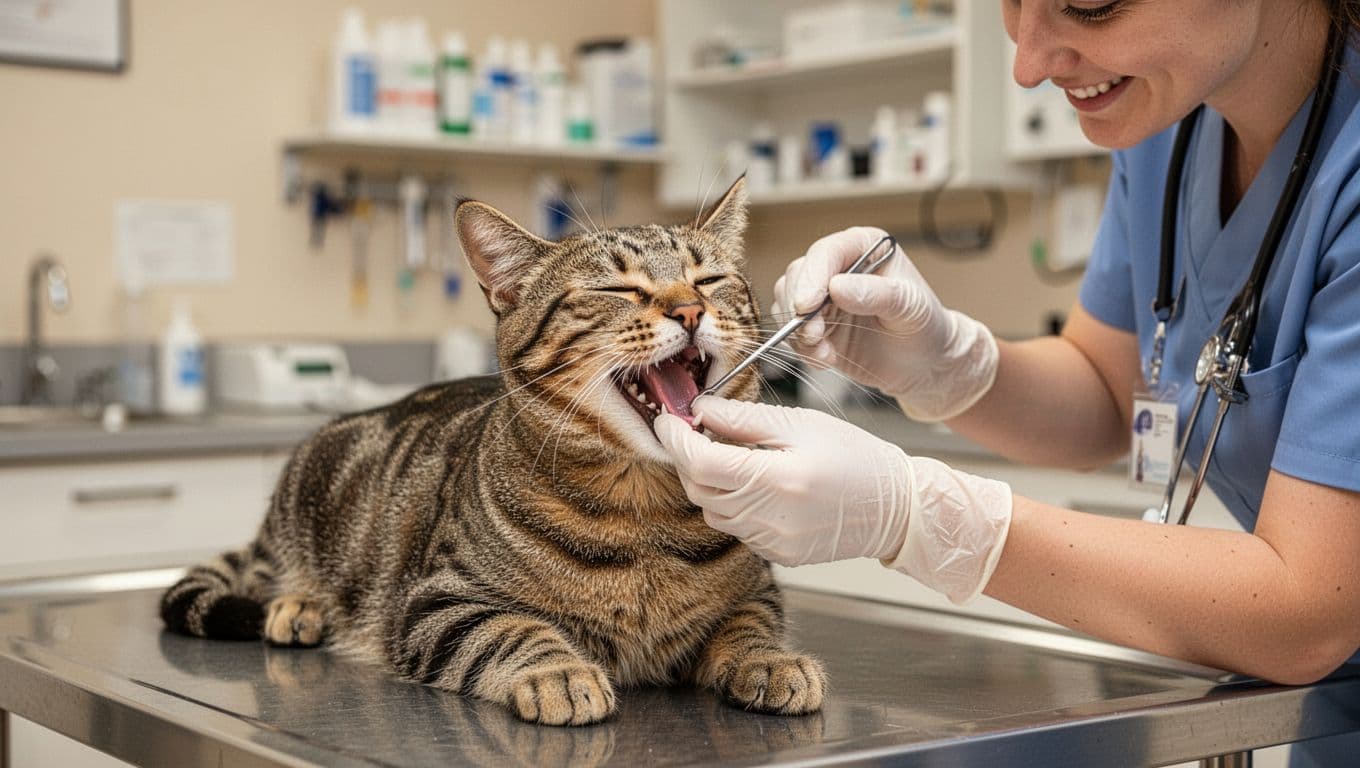 An oral exam helps pinpoint whether the odor is coming from teeth, gums, or something deeper, created with AI.
Solving bad breath works best when you combine a fast at-home look with a real veterinary exam. Your job is to notice changes early. Your vet’s job is to find the source, including problems hidden under the gums.
Recent guidance from the profession has pushed for earlier diagnosis and treatment of feline dental disease, because waiting often means more pain and more tooth loss. AVMA covered these updates in new guidelines for feline dental disease.
A simple at-home check you can do in under a minute
Pick a calm moment, maybe after a meal or a nap. Then:
- Gently lift one side of the lip.
- Look at the gumline around the big back teeth and canines.
- Check for red gums, brown tartar, swelling, or broken teeth.
- Notice any strong smell from one side only.
- Scan for anything stuck, like food or a bit of string.
Stop if your cat gets stressed or pulls away hard. Also stop if you think your cat is in pain. Don’t force the mouth open, and don’t put your fingers between the teeth.
Vet exams and treatments that fix the root problem
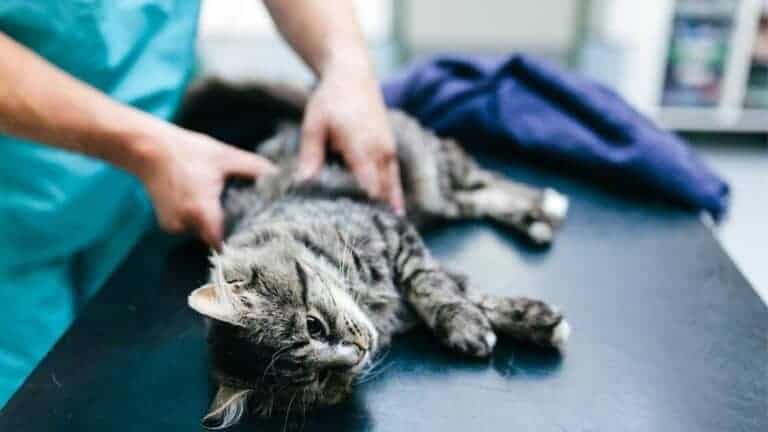
A vet visit for bad breath often starts with an oral exam and a history. Depending on what they find, your vet may recommend:
- A professional dental cleaning under anesthesia
- Dental X-rays (important for disease under the gumline)
- Tooth extraction for damaged or infected teeth
- Pain control, and sometimes antibiotics when infection is present
- Bloodwork and urinalysis if kidney disease or diabetes is a concern
This is the part many people want to skip, but it matters: treating the cause is what clears bad breath in cats long term. Minty gels and sprays can mask odor, but they don’t remove infected teeth or fix kidney changes.
Prevention plan, tooth brushing, dental diets, water additives, and realistic routines
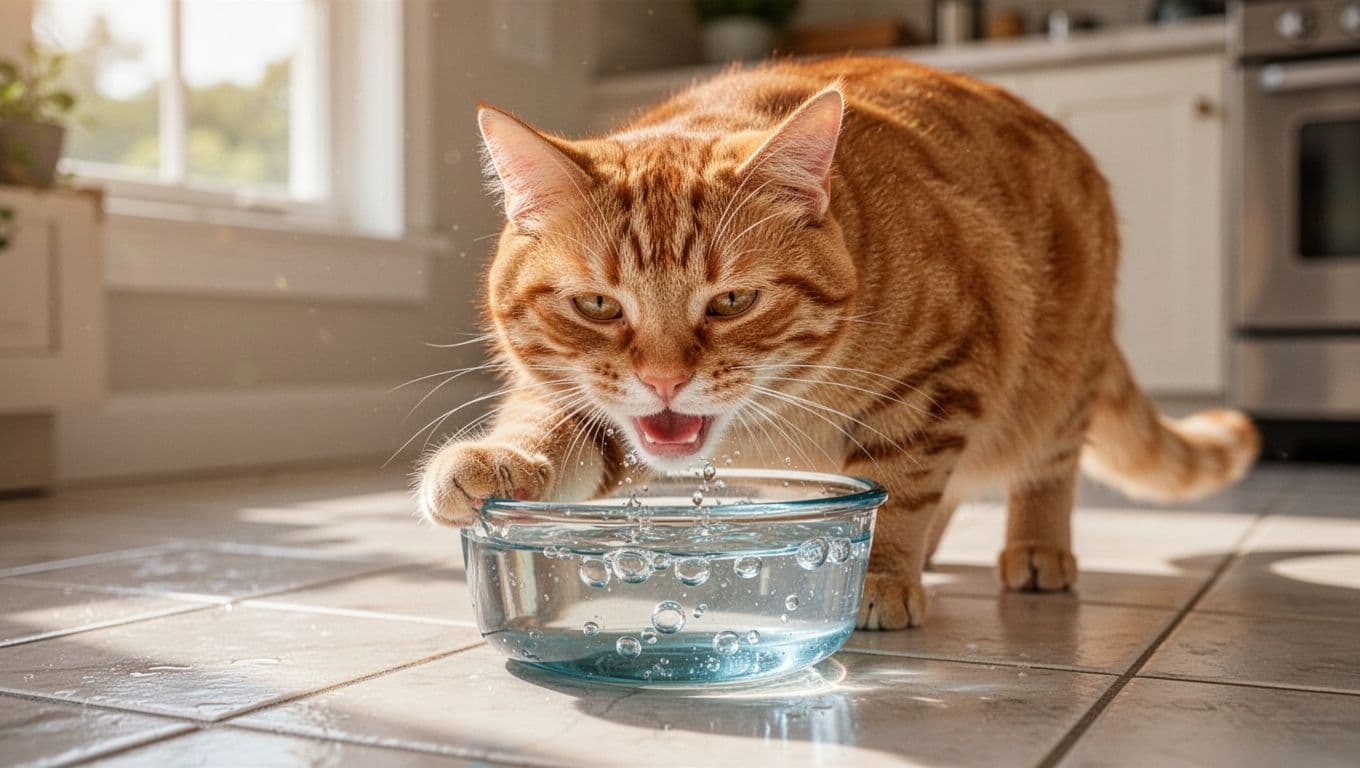 Some cats tolerate dental water additives more easily than brushing, created with AI.
Prevention doesn’t need to be perfect. It needs to be consistent.
Start with tooth brushing if your cat will allow it. Use a cat toothbrush or finger brush and cat-safe toothpaste only. Human toothpaste can upset a cat’s stomach, and some ingredients can be harmful. Skip essential oils too, they can be risky for cats.
Go slow:
- Let your cat lick the toothpaste first.
- Touch the brush to the front teeth for a second or two.
- Build up to short sessions several times a week, then daily if possible.
Dental diets and vet-approved dental treats can help reduce plaque. Water additives can help some cats as well, especially if they refuse brushing. Even then, schedule regular dental checkups, because home care can’t see under the gumline.
Most importantly, treat breath like a “check engine” light. When you notice a change, write down when it started and any other symptoms. That note helps your vet move faster.
Conclusion
Bad breath usually starts with mouth disease, especially plaque, tartar, and gum infection. Diet and daily habits can add to the smell, but they rarely explain ongoing odor by themselves. In some cats, breath changes can also point to medical issues like kidney disease or diabetes, so it’s smart to take sudden or severe odor seriously.
Use your cat’s breath as a clue, not a diagnosis. If the smell is new, strong, or paired with other symptoms, book a vet visit soon. Then pick one small dental habit you can keep, because preventing bad breath in cats is much easier than treating advanced disease later.