
How to Reduce Stress at the Vet
Last Updated on May 5, 2021 by Holly Anne Dustin
Take Your Cat to the Vet Day focuses on increasing awareness of the importance of bringing indoor cats for regular check-ups. Royal Canin created #Cat2Vet campaign to raise awareness of the importance of preventive veterinary care for cats. Taking steps to reduce stress at the vet is one way of making the experience of annual checkup less overwhelming for everyone.
According to the American Association of Feline Practitioners (AAFP), 83% of cats go to the vet during their first year, but half of them don’t go back until they get sick. American Humane Society agrees that most cats go to the vet when the cat is sick. Cats go to the vet half as often as dogs.
Contents
- 1 Why is it Important That Cats Go to the Vet
- 2 Ways to Reduce Stress at the Vet
- 2.1 Most important, stay calm yourself.
- 2.2 Train your cat to love the carrier
- 2.3 Get Kitty used to being handled.
- 2.4 Consider a fear free and/or a cat friendly practice.
- 2.5 Look for a vet that understands cat behavior.
- 2.6 Ask for the first appointment of the day.
- 2.7 Try some bribery and distraction
- 2.8 Anti – anxiety tools
- 3 What to Expect at Your Kitty’s Physical Exam
- 4 Don’t Top-Off a Bad Day with Drama at Home
- 5 #cat2vet
Why is it Important That Cats Go to the Vet
Regular exams let your vet form a baseline of your cat’s health. We see our cat every day. It is easy for us to miss minor changes in weight, eating habits, or behavior. But these can signal big problems on the horizon.
Read more:
Reasons Cats Don’t Go to The Vet and How You Can Change it.
Obesity is epidemic in cats.
Over 50% of cats in the US are overweight. Obese cats are at more risk for disease. Just like in humans, arthritis, diabetes, heart disease, and high blood pressure are more common in overweight cats.

Our kitties are prone to dental disease.
The American Veterinary Dental Society estimates that 70% of cats will have dental disease by the time they are 3 years old. Dental disease is the most common medical diagnosis in cats. It can lead to heart, liver and kidney disease. Providing proper dental care will improve your cat’s overall health and well-being. Often there are no obvious signs of dental disease. Your vet can make sure Kitty’s pearly whites stay clean and healthy.
Cat’s natural instinct is to hide the fact that they are suffering.
We often overlook problems until they just can’t hide their pain anymore or the problem becomes obvious in another way. A routine vet visit can prevent needless suffering. The year-to-year exams help your vet diagnose conditions before they become emergent, painful, and more pricey to treat.
This post may contain affiliate links. Life and Cats is a Chewy affiliate and a member of the Amazon Associates program and as such we earn a small commission when you shop through our our links and banners. It doesn’t change the amount you pay. You can read our full disclosure policy here.
Ways to Reduce Stress at the Vet
The theme for this year’s #cat2vet is ways to reduce stress at the vet visit. The drama around getting Kitty to the vet is the number one reason cats don’t go to the vet. There are things to do that can make the process easier on both Kitty and on us cat guardians.
Most important, stay calm yourself.
I know it is nerve-wracking. I hated taking my children to the pediatrician, even though we had a great one. And I hate taking my cats to the vet. But I know it is important. And Kitty will feed off any upset you are feeling. Play calming music. I find the calming music for cats to be calming for me too.
Train your cat to love the carrier
Read more about how to teach your cat to love her carrier
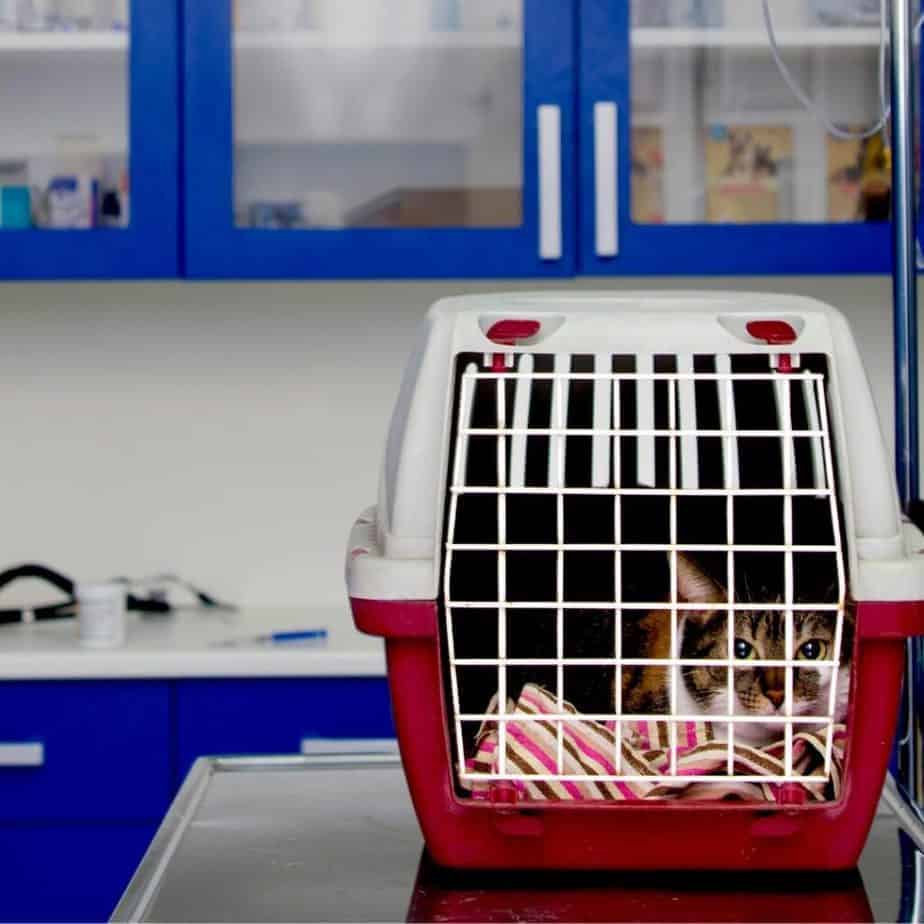
Cats can be trained to travel in their carrier without freaking out. Your goal is for Kitty to not see a carrier as a trap but a safe space. Put her favorite bed or a blanket or towel she has slept with into the carrier. Her scent on the bedding will comfort her.
You can also spray the carrier or a cover with Feliway, a stress-reducing spray. Let your carrier become part of the furniture. Leave it open in a common area.
Make all the positive associations with the carrier you can. Leave treats or toys in the carrier for your cat to find. Catnip never hurts if your cat is old enough to appreciate it.
Work up to feeding her in the carrier. When she will freely enter the carrier you can try teaching her to enter on command.
Practice taking short car rides in her carrier. When she doesn’t encounter her carrier only to go to a place she hates, it will make the experience less stressful on all of us.
Get Kitty used to being handled.
I’ve done this for my show cats so they don’t react to anything weird the judges might do: like using Betsy’s polydactyl paws to demonstrate a map of Michigan, or teasing Plush about his “cankles.”
But handling practice can help during a vet visit too. Regularly brushing your furbaby, handling his feet, playing with his tail. Laying him on his side or on his back in your lap. All these things can make a vet visit less frightening for your feline.
Consider a fear free and/or a cat friendly practice.
I have experienced walking into a vet’s exam room at a new clinic with a cat and found towels, heavy blankets and bite gloves ready and waiting. And three people came into handle the cat. They’d had never met us before.
Kitty didn’t feel well; she hates car rides, and she was in a new place. The vet staff had jumped right to their big guns rather than trying to relax her and work with her. It was clear they assumed cat = mean and unmanageable.
Kitty did not get cat friendly handling and definitely experienced fear, anxiety, and stress. She did her species no favors though, by giving them exactly what they expected. She tried to bite them. It might have happened anyway; but the way her visit was managed did nothing to reduce her stress.
A Cat Friendly Practice is trained in handling cats. They understand cat behavior and use gentle handling methods without heavy restraints or rushing Kitty through his exam. Fear Free’s idea is that pets need veterinary professionals to look after not only their physical well-being but also their emotional well by preventing fear, anxiety, and stress in your pet during their visit.
Related Post: How to Find the Right Vet for Your Family
Look for a vet that understands cat behavior.
Whether or not your search for the best vet for you furry family members leads you to a Cat Friendly Practice, look for a vet that understands and appreciates cats. The staff should give your kitty time to acclimate and move her gently through the exam instead of forcing her immediate compliance. Force will do nothing to reduce stress at the vet.
Ask for the first appointment of the day.
If you can’t get it, ask to go directly to the exam room so Kitty doesn’t have to hang out with the kids and dogs in the waiting room. Worse case, wait in your car and have them call you when a room is ready for you and your kitty.
Try some bribery and distraction
Bring her favorite toys and treats to use as rewards and to help the vet make friends. A little puree treat on the table or a flick of a wand toy can distract your furbaby from a vaccination or other unpleasant handling experience.
Cat-Friendly Practice recommends that you not remove your cat from their carrier until the vet tells you too. Personally, I think this depends on your furbaby. I don’t let mine out if I bring multiples (or my runner.) But for Plush or Musette, I open the door and give them a choice of staying in the carrier or coming out and playing with me. I always let Treeno out because he loves to explore unknown places. He’d be more stressed if I kept him shut in his carrier.
Anti – anxiety tools
If the vet doesn’t provide one, cover the table with a towel or Kitty’s bedding so he doesn’t slide around on the cold metal table. Spraying the towel with Feliway is another way to calm Kitty.
In a worst-case scenario, you can get your vet to prescribe anti anxiety meds. I’m not a fan of this as a first response. Try these calming tips first. Rescue Remedy is a natural remedy that can take the edge off.

What to Expect at Your Kitty’s Physical Exam
Knowing what will happen during the visit can help you feel calmer. It might sound crazy, but I always tell my cats what to expect. I know they can’t understand my words but if I recite the routine, tell them it will be over quickly, and they will come back home in a calm, reassuring voice it helps them. (Or it helps me to think I’m helping.)
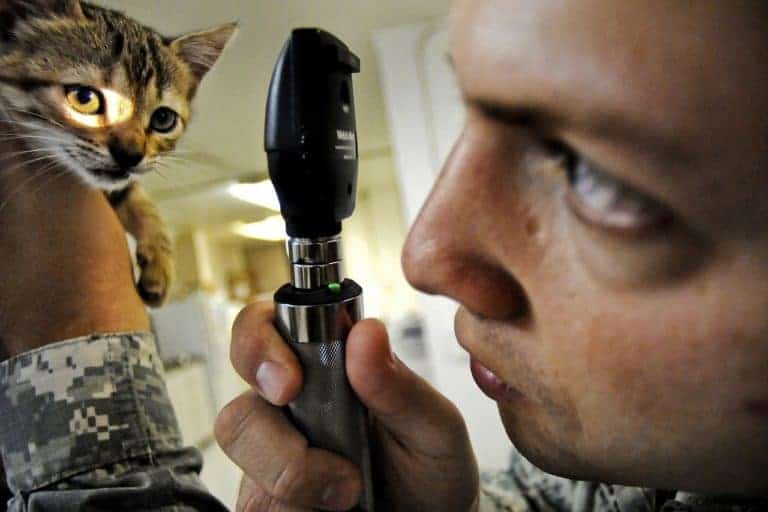
- The veterinarian will check for signs of illness. Your vet will do a head-to-tail exam to look for any abnormalities.
- Your kitty will receive vaccines he needs, depending on their age, lifestyle, and exposure risk. Hopefully, your vet will discuss this with you as there are risks and benefits to vaccines and the science is always evolving.
- Your veterinarian will also check your cat for external parasites like fleas, ticks and ear mites. They might ask you to bring a stool sample to check for worms.
- Kitty might have blood drawn for lab work. Screening tests for things like kidney disease, thyroid problems, and diabetes are important tools to assess your furbaby’s condition as he ages. They would also address any suspicious findings in the physical.
Don’t Top-Off a Bad Day with Drama at Home
My cats are used to their housemates coming and going, and of other animal smells so we don’t have re-enty stress. But if one of your cats acts like the aliens have landed when his best friend comes home smelling like “vet”, you can help reduce stress by taking that cat along with you.
A less complicated approach than hauling two cats and carriers to the vet is to take a rag or brush that smells like home and rub kitty with it after the vet visit. Have bedding that smells like home in your carrier. You could add a t-shirt you wore the day before into the carrier on the way home.
#cat2vet
Royal Canin encourages us to stay curious about our furbabies health and happiness. To this end they have sponsored webinars with The Kitten Lady, Hannah Shaw, and partnered with Petsmart, Chewy, and Banfield Vet Hospitals to offer some free merchandise.
We know how much our cats love us and the special bond with share. We want to take good care of them. Taking proper care of our fur babies includes scheduling vet appointments for them. Why not schedule your baby for his annual visit today?