Does My Cat Need a Microchip? 7 Clear Reasons Most Cats Should Have One
Contents
- 1 Summary
- 2 1. A microchip gives a lost cat a real identity
- 3 2. Indoor cats still get out
- 4 3. The recovery odds are much better with a chip
- 5 4. It helps when collars are not practical
- 6 5. It matters even more in multi-cat homes
- 7 6. The procedure is quick, safe, and routine
- 8 7. Registration matters as much as the chip itself
- 9 Conclusion
Summary
If you're asking whether your cat needs a microchip, the practical answer is yes for most homes, especially indoor-only cats and multi-cat households. It gives each cat a permanent ID, improves the odds of getting home, and fills the gap when collars or tags fail.
Last Updated on May 6, 2026 by Holly Anne Dustin
If you live with one cat, or a full house of cats, the question of microchipping comes up for a reason. A microchip is a small electronic chip that gives your cats a permanent ID that can help them get back home, even if a collar slips off or a tag falls away. For most cat households in the US, the better question is how much risk you want to leave to chance.
As long as you keep your contact information current, your lost cat can be reunited with you. Microchipping should be a once in a lifetime event for most cats. Pet microchips typically last about 25 years.
Cats with chips are much more likely to make it home than cats without them. You can read the AVMA’s explanation of how microchips reunite pets with families for a clear breakdown of how the process works.
1. A microchip gives a lost cat a real identity
A collar tag can break, fall off, or get removed. A microchip stays under the skin and holds a unique ID number that links to your contact info in a database. That matters because shelters and vet clinics scan found cats first, then use the chip number to try to reach the owner.
Microchips prove ownership in case your cat is ever lost or stolen. In contested situations, for example, if your cat is an indoor/outdoor cat and a neighbor decides he’s a stray in need of a home, that microchip proves he’s yours. If your lost cat does end up in the local shelter and put up on the floor for adoption, you’ll be able to claim him as yours.
2. Indoor cats still get out
Indoor cats are not exempt from escape risk. Doors stay open for a second too long, a carrier pops open, or a guest leaves a window cracked. That can be enough for a cat to disappear into unfamiliar territory.
Forty percent of the “strays” in shelters are simply indoor cats that got out and couldn’t find their way back home. Local “hold” laws give you 24-48 hours, or less, to reclaim your pet before adopting them out or putting them down.
A microchip will get your cat home if he is found and scanned at a vet’s office or the shelter. But it will not help you find your cat. The microchips now on the market are not cat GPS trackers. There are trackers on the market that attach to your cat’s collar. If your cat is a roamer you might want to invest in both technologies.

3. The recovery odds are much better with a chip
The numbers are hard to ignore. A well-known JAVMA study found that microchipped cats were returned to owners 38.5% of the time, while cats without microchips were returned only 1.8% of the time. That gap is large enough to matter in real life, especially when every hour counts.
The same pattern shows up in current pet guidance and shelter data. Recent summaries continue to point to the same basic result, chipped cats come home far more often than unchipped cats. The AAHA pet microchip guidance also supports permanent ID for cats because it gives shelters and vets a reliable way to connect a found animal to an owner.
4. It helps when collars are not practical
Does my cat need a microchip if he wears a collar? Some cats tolerate collars. Many do not. Cats can slip collars, chew them, or get caught on furniture and fencing. Show cats, especially longhaired breeds, don’t wear collars because it ruins their coat lines. A microchip avoids those problems because it works even when nothing is on the cat’s neck. That makes it useful for nervous cats, escape-prone cats, and cats who spend time in carriers, backyards, patios, or screened spaces.
Collars and tags are important if your cat goes outside, microchipped or not. It is the easiest way to show that a cat isn’t a stray but has a home and family. Cats have a lower return rate than dogs because they are more likely to arrive in shelters without identification or be “adopted” by a neighbor who assumed the cat was a stray.
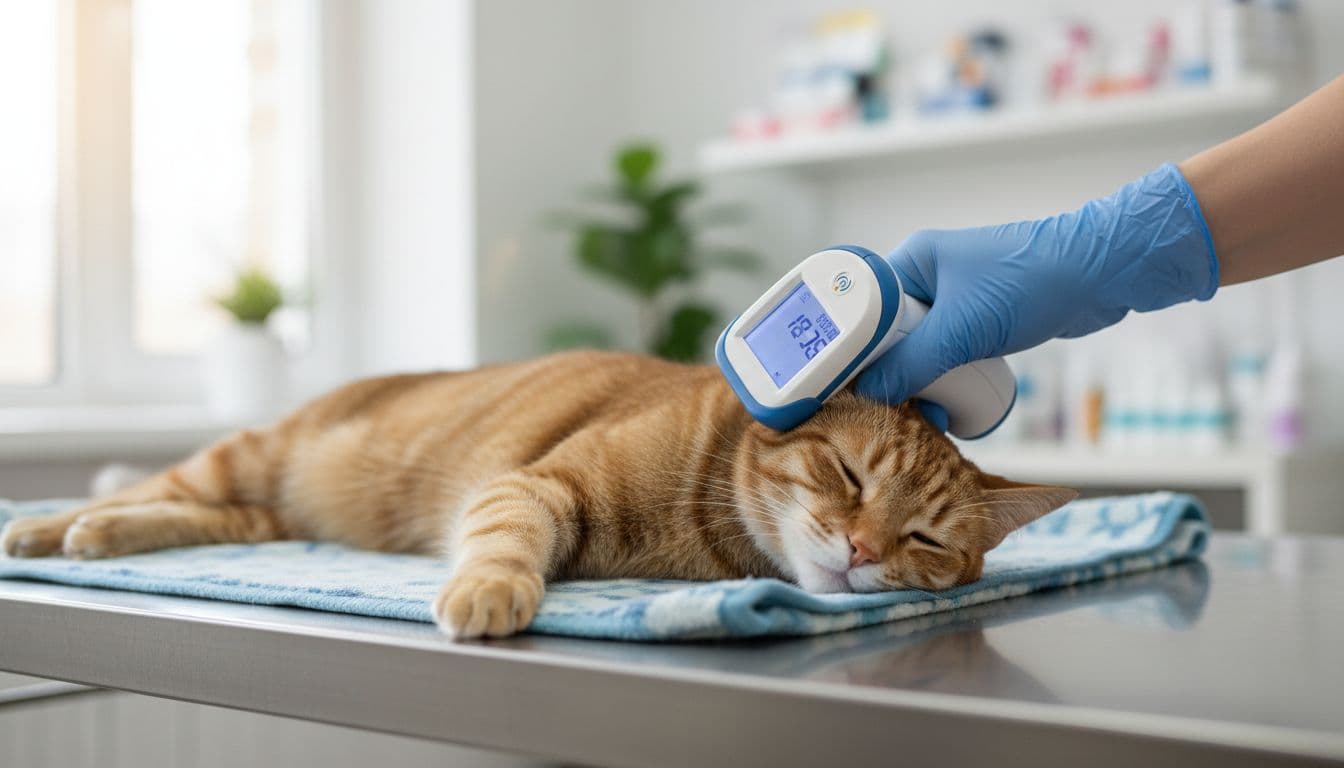
If you keep a busy home with several cats, a permanent ID is easier to manage than trying to keep every collar tag in place all the time. The chip is not a substitute for a collar tag if a cat wears one, but it does fill the gap when collars fail or are not practical. Some municipalities are updating their license laws to require that pets must be microchipped.
5. It matters even more in multi-cat homes
In a multiple cat family, one missed detail can turn into a bigger headache. A microchip gives each cat a unique number, so there’s no guesswork about identity. It also helps with adoption records, vet charts, and proof of ownership if you ever need it. In a home with multiple cats, that paper trail matters. If one cat is missing and another is found, separate microchips keep those records clear.
6. The procedure is quick, safe, and routine
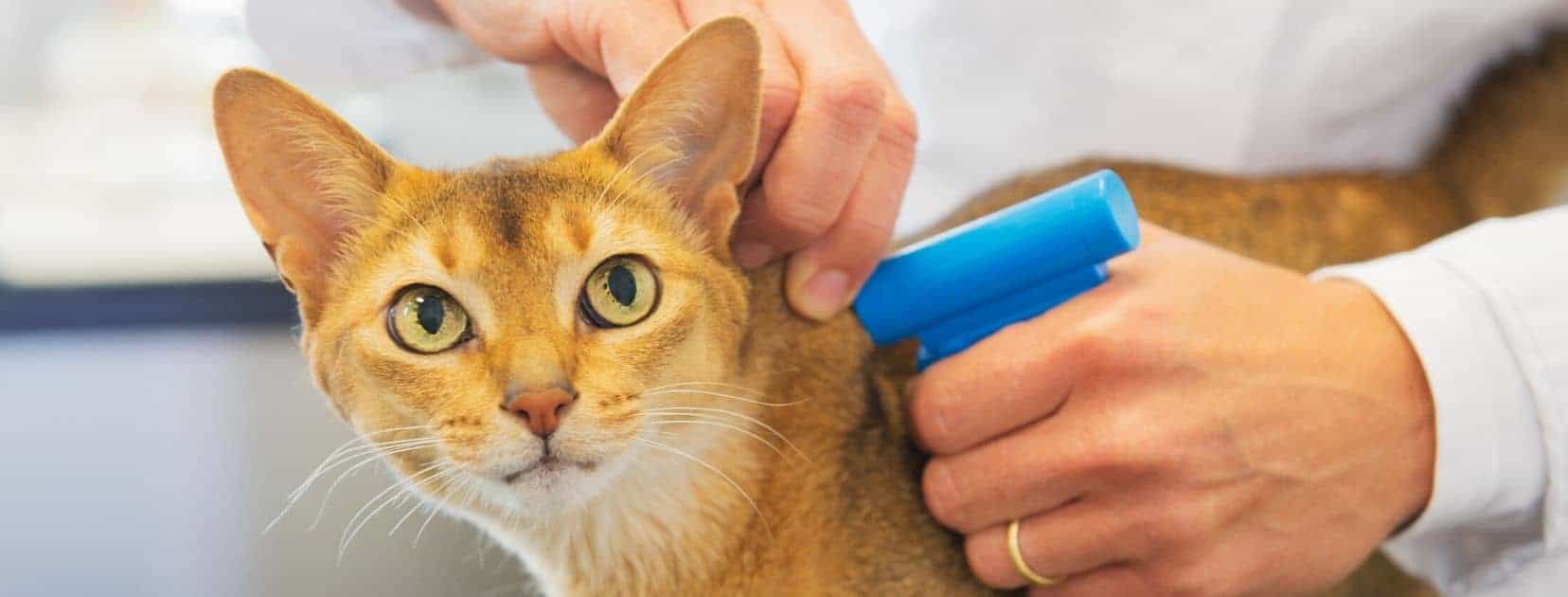
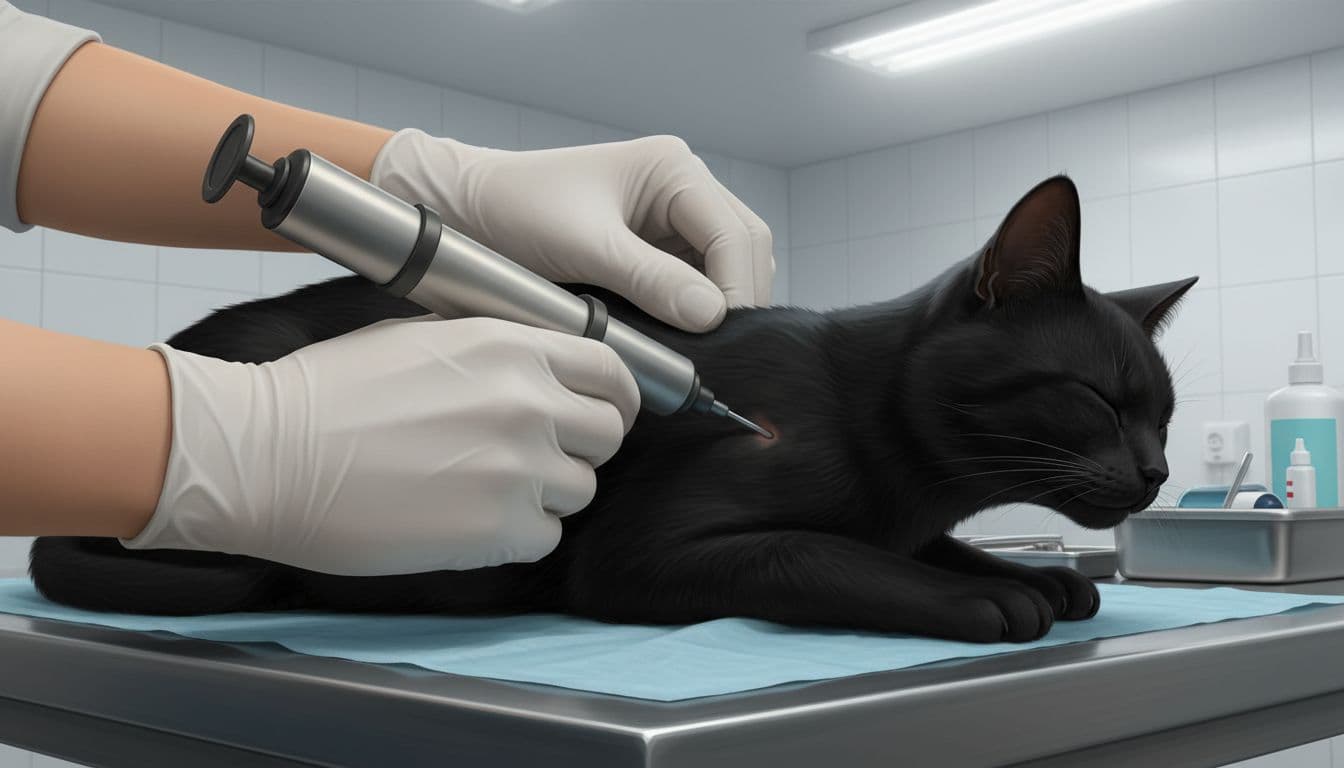
The ease of the procedure is one reason microchipping has become common in the US. It takes only a few seconds, and most cats handle it like a routine shot. Vets do not need to put the cat to sleep for a normal chip placement. My vet uses a local block for microchip placement because it is a fairly big needle. Kittens are routinely microchipped when they are spayed or neutered.
The average cost of microchipping a cat is around $45 in a vet’s office. You can often find a clinic in a pet store, rescue, or shelter that provides the service for less (but may not offer the local anesthetic.) Some pet insurance companies offer a discount if your cats are microchipped. The chip itself needs no battery or maintenance.
Risks and side effects of cat microchips are small. Microchips, like any injection, increases a risk for fibrosarcomas in cats. The risk with microchips is likely low but there isn’t a lot of data. Tracking done by the British Small Animal Veterinary Association records 391 reactions out of 4 million microchips placed.
7. Registration matters as much as the chip itself
A microchip number on its own does not bring a cat home. The number has to connect to current contact information in a registry. That’s the part many people miss. A chip that is never registered, or is registered under old details, can’t do its job. The AVMA warns that accurate contact information is essential, because the chip only contains an ID number, not your name or phone number.
The biggest problem is that people don’t realize the vet doesn’t register the chip; they must do it themselves and then keep their contact information current. An unbelievable 6 out of 10 microchips are never registered. If you move, or change your phone number, you need to update your registration or it isn’t of any value.
Updating the information on the microchip can be a pain if you adopt a cat that is previously microchipped. You need the signature of the original registrant to switch it. Be sure the rescue takes care of that for you when you adopt. Breeders may want to simply add your information as they are usually the failsafe plan for their cats.
Conclusion
If you’re asking yourself “does my cat need a microchip?” the practical answer is yes for most homes, especially indoor-only cats and multi-cat households. It gives each cat a permanent ID, improves the odds of getting home, and fills the gap when collars or tags fail.
For cat families with several pets, the value is even clearer. Each cat gets its own identity, and if one goes missing, the chip gives shelters and vets a direct path back to you.
Microchipping should be one of the things you get done at Kitty’s first vet visit if he isn’t already chipped when you bring him home. The procedure is quick, safe and affordable.
According to Home Again, 1 in 3 pets goes missing at some point. 90% don’t make it back home. Give your cat the security of a microchip and make sure your furbaby is one of the 10% that do.