
Grooming Senior Cats: Essential for Their Health and Well-Being
Last Updated on January 4, 2026 by Holly Anne Dustin
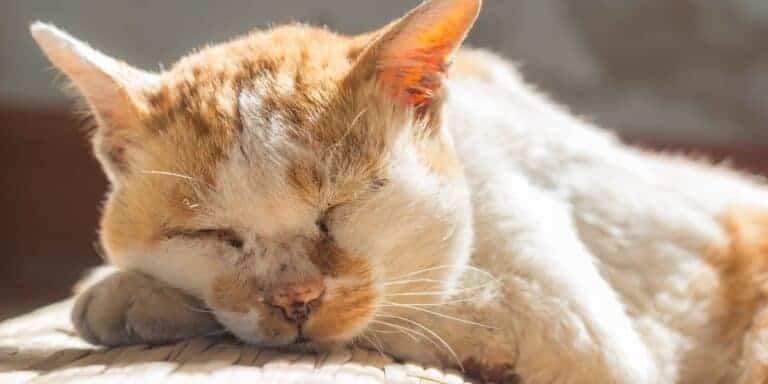
Grooming senior cats is an essential aspect of their overall health and well-being. As cats age, they experience changes in their coat, skin, and mobility, making life harder for them and making them harder to groom. Proper grooming not only helps to maintain their physical appearance but also prevents the development of uncomfortable and potentially dangerous conditions such as matting, skin infections, and parasites.
Understanding your senior cats’ needs is crucial when it comes to grooming. Older cats often have difficulty grooming themselves due to arthritis or decreased flexibility. Additionally, they may be more sensitive to being touched and may require a gentler approach to grooming. The skin on senior cats is paper thin. If Kitty is underweight, as many senior cats are, it is very easy to nick her when removing mats. Knowing how to address these issues can make the grooming process more comfortable and effective for both Kitty and her guardian.
Contents
Understanding Senior Cats’ Needs
Senior cats require different grooming techniques than younger cats, and it’s important to know what those are to keep your furry friend healthy and happy.
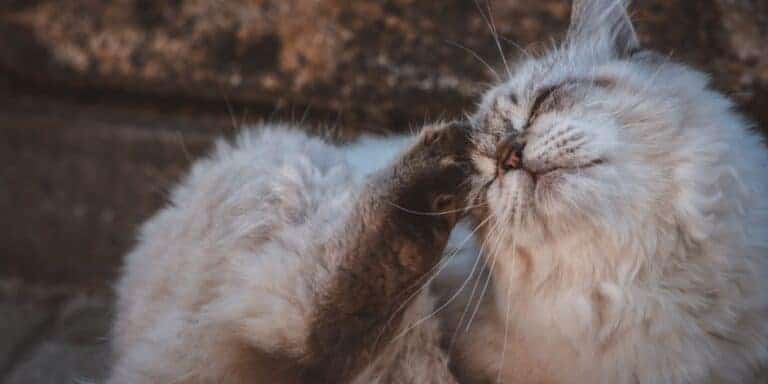
One of the most significant changes in senior cats is their decreased mobility and flexibility. They may not be able to groom themselves as effectively as they once could, so it’s crucial to help them keep clean. This can include brushing their fur regularly to prevent tangles, matting, and removing any debris, litter, or dirt that may accumulate on their coat.
Elderly cats may also experience changes in their skin and coat, which can lead to dryness and irritation. To combat this, it’s important to use gentle shampoos and conditioners specifically designed for senior cats to keep their skin and coat healthy.
Maintaining dental health is an important aspect of grooming senior cats. Older cats are more prone to dental issues, such as gum disease and tooth decay. Brushing their teeth regularly and providing dental treats can help prevent these issues and keep their teeth and gums healthy in between veterinary dental cleanings.
Related Post: How to Brush Your Cat’s Teeth
In addition to physical changes, senior cats may also experience changes in behavior and mood. They may become less active and spend more time sleeping, which can lead to weight gain and other health issues. Being unable to keep himself properly groomed can make Kitty depressed and even more likely to be withdrawn from his family.
Importance of Grooming Senior Cats
Regular grooming helps prevent matting, hairballs, and skin infections. But grooming also provides an opportunity to check for any changes in Kitty’s skin or coat. This includes lumps, bumps, or lesions that may indicate an underlying health issue. Catching these issues early can lead to better outcomes and a higher quality of life for senior cats.
If Kitty is prone to these skin tags, it is important to keep her mat free. There is no way to see what is in or under a mat when you start to clip it off. It is one of the easiest ways to nick a cat.
Regular grooming also helps senior cats feel more comfortable and relaxed. It can be a bonding experience between Kitty and her guardian. Keeping Kitty’s coat clean and healthy helps reduce her stress and anxiety over her inability to maintain her coat and appearance.
Related Post: How to Brush a Cat that Hates it.
It’s important to note that grooming needs vary depending on your senior cat’s breed, coat type, and health condition. Some cats may require daily brushing, while others may only need occasional grooming. Consulting with a veterinarian or professional groomer can help determine the best grooming routine for your furbaby.
Overall, grooming is an important aspect of senior cat care that can help prevent health issues, improve quality of life, and strengthen the bond between a cat and their owner.
Choosing the Right Grooming Tools
When it comes to grooming senior cats, choosing the right grooming tools is crucial. The right tools can make grooming easier and more comfortable for your cat. Here are a few essential tools to consider:
Brushes and Combs
Brushes and combs are essential for removing tangles and mats from your cat’s fur. For senior cats, it’s important to choose a brush or comb with soft bristles to avoid irritating their skin. Here are a choices to consider:
- Slicker brush: This brush is great for removing tangles and mats from your cat’s fur. Look for a brush with soft bristles to avoid irritating your cat’s skin.
- Comb: A steel comb is great for removing loose fur and tangles. It is the grooming tool of choice for long haired breeds like Persians, Siberians, Ragdolls, and Maine Coons. You can get quality combs in a variety of sizes.
- Massaging deshedding comb: Easy comb even for the brushing haters. Will not work on mats but great for shedding or undercoats.
- Deshedder/Mat remover: If you have a cat that tends to mat or have a thick, dense coat, one of these can be your best friend. It will remove loose undercoat and remove tangles and small mats. Don’t use this to try to pull out large mats.
- Rubber brush: This brush is great for removing loose fur and massaging your cat’s skin. Look for a brush with soft bristles to avoid irritating your cat’s skin. These may not work for your longhaired cat. My Persian hates it. But I have a Maine Coon that tolerates it fine, and my short haired boy loves it better than any other grooming tool.
Nail Clippers
Older cats are usually thicker and longer because Kitty can’t work them out the way she did when she was younger. Keeping your cat’s nails trimmed is important for their health and comfort. Long nails can cause discomfort walking and even lead to health problems. Kitty’s claws can grow around and pierce the paw pads.
When choosing nail clippers, look for a pair with a sharp blade and comfortable grip. Here are a few options to consider:
- Scissor clippers: These clippers work like scissors and are great for cats with thicker nails. Look for a pair with a sharp blade and comfortable grip. This one is for dogs, but it is the one I use regularly. It is easier than the cat model with little finger holes on most cat clippers. It is also a better option for senior cat nails that tend to be thicker.
- Guillotine clippers: These clippers have a hole where you place your cat’s nail and a blade that slides across to cut the nail. Look for a pair with a sharp blade and comfortable grip.
Cleaning Wipes
Cleaning wipes are great for keeping your cat’s coat clean and fresh between baths. Look for wipes that are gentle and safe for cats. Here are the basic wipes you’ll need:
- Waterless shampoo wipes: These wipes are great for cleaning your cat’s coat and removing odors. Look for wipes that are gentle and safe for cats. I like this brand. We use it for touch-ups in the show hall.
- Eye wipes: These wipes are great for cleaning your cat’s eyes and removing tear stains. Look for wipes that are gentle and safe for cats.
- Ear wipes: These wipes are great for cleaning your cat’s ears and removing wax. Look for wipes that are gentle and safe for cats.
Overall, choosing the right grooming tools is essential for keeping your senior cat healthy and comfortable. With the right tools and a little patience, grooming can be a more pleasant experience for both you and your cat.
Step-by-Step Guide to Senior Cat Grooming
If you haven’t been regularly grooming your kitty up to now, here is a step-by-step guide to grooming senior cats.

Brushing
Brushing your senior cat’s fur is an excellent way to keep their coat healthy and shiny. Regular brushing can also help prevent matting and hairballs. Here’s how to do it:
- Get an appropriate brush or comb.
- Start at Kitty’s head and work your way down the body, brushing in the direction of the fur.
- Be gentle and avoid pulling on any tangles or mats. Use the tip of your comb to pick out the mat or your matbreaker. It is time to contact a professional if you can’t easily remove the mats. Pulling on the mat will be painful for Kitty. Senior cats have paper-thin skin and it is easy to cause them injury.
- Pay special attention to areas where mats are most likely to form, such as behind the ears, under the legs, and around the tail.
- Brush your senior cat’s fur at least once a week, more often for fluffy, long haired, cats.
Nail Trimming
Trimming your senior cat’s nails is essential to prevent them from becoming overgrown or snagging on things. Here’s how to do it:
- Get a pair of cat nail clippers.
- Hold your senior cat’s paw firmly but gently.
- Locate the pink part of the nail, known as the quick.
- Cut the nail just below the quick, being careful not to cut into it.
- Repeat with each nail, being sure to trim the dewclaws on the front paws.
- Trim your senior cat’s nails once every four weeks or so.

Ear Cleaning
Cleaning your senior cat’s ears is essential to prevent infections and other ear problems. Here’s how to do it:
- Get a bottle of cat ear cleaner and some cotton balls.
- Hold your senior cat’s head steady but gently.
- Squeeze a few drops of ear cleaner into the ear canal.
- Massage the base of the ear for about 30 seconds.
- Use a cotton ball to wipe away any excess ear cleaner and debris.
- Repeat with the other ear.
- Clean your senior cat’s ears once a month.
Eye Cleaning
Cleaning your senior cat’s eyes is essential to prevent infections and other eye problems. Here’s how to do it:
- Get a bottle of cat eye cleaner and some cotton balls.
- Hold your senior cat’s head steady but gently.
- Squeeze a few drops of eye cleaner onto a cotton ball.
- Gently wipe the cotton ball over your senior cat’s closed eye, starting at the inner corner and working outward.
- Repeat with the other eye.
- Clean your senior cat’s eyes as needed, most will be fine with weekly cleaning. But a Persian, or a breed with a similar, squishy-faced, head may need daily cleaning.
Grooming your senior cat may take a little extra time and effort, but it’s worth it to keep them healthy and happy. By following this step-by-step guide, you can help ensure that your senior cat stays clean and comfortable.
Related Post: How to Groom a Cat at Home
Dealing with Common Issues in Grooming Senior Cats
Grooming senior cats can be challenging, especially when dealing with common grooming issues. Here are some tips on how to handle matted fur, overgrown nails, and skin conditions.
Overgrown Nails
Overgrown nails can be painful for senior cats and can also cause damage to furniture and carpets. To trim the nails, use a pair of cat nail clippers. Be careful not to cut the quick, which is the pink part of the nail that contains blood vessels and nerves. If you accidentally cut the quick, apply some styptic powder to stop the bleeding.
Matted Fur
Matted fur is a common issue in senior cats, and it can cause discomfort and even lead to skin infections. To prevent matting, regular grooming is essential. Use a comb or matbreaker brush to remove any tangles or knots in the fur. Contact a professional groomer or your vet if Kitty’s fur is already matted and you can not easily remove the mats.
Greasy Coat
Your senior kitty can develop a greasy coat because seniors don’t clean their coats as well as younger cats. Corn starch, or a dry shampoo designed for cats, can help absorb the excessive oiliness. Comb it out after allowing the powder to sit in the coat for a time. Don’t use powder and wet wipes at the same time or you’ll end up with a paste.
Products will build up in the coat. Eventually you will need to bathe Kitty or take him to a professional who can do it for you.

Skin Conditions
Senior cats are prone to skin conditions such as dry skin, dandruff, and rashes. To treat these conditions, use a gentle medicated shampoo designed for cats. Avoid using human shampoo, as it can be too harsh for a cat’s delicate skin. If the condition persists, consult a veterinarian for further treatment.
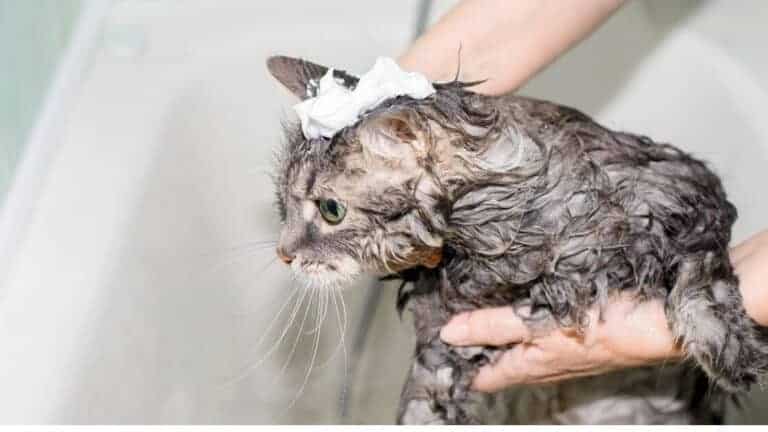
Bathe Kitty
Be calm and collected. Use a handheld shower or a glass to pour water over your cat. Use warmer water, but not hot. Apply a small amount of cat shampoo and lather Kitty’s coat. Rinse thoroughly. Rinse more than you think you need to rinse. Wrap Kitty in a warm towel and pat to remove as much water as possible. Use paper towels or microfiber cloths to get him drier. Repeat. If he will tolerate it, you can dry him with a hair dryer set on low. Comb out his coat when it is dry.
Grooming senior cats can be challenging, but with the right tools and techniques, it can be done effectively. Regular grooming can prevent common issues such as matted fur and overgrown nails, while a gentle shampoo can treat skin conditions. Remember to always be gentle and patient when grooming senior cats.
Professional Grooming Services
Professional grooming services are an excellent option for senior cats that require extra care and attention. These services are provided by experienced and trained professionals who can help maintain your cat’s coat and skin health.
Professional grooming services can include a variety of treatments, such as bathing, brushing, nail trimming, and ear cleaning. They can also provide specialized treatments for cats with specific needs, such as flea and tick removal or treatment for skin conditions. If you and Kitty have difficulty keeping up with her grooming needs, you might want to consider a haircut.

When choosing a professional grooming service, it’s important to do your research and find a reputable provider. Look for a cat-exclusive groomer, or one who has a lot of experience working with senior cats, and who uses gentle and non-toxic products. Don’t go to a chain pet store groomer. If your groomer is not cat specific, ask how they will keep the experience as stress-free as possible.
Professional grooming services can be a great way to help keep your senior cat healthy and comfortable. They can also be a valuable resource for identifying and addressing any health issues that may arise. A 6-8 week schedule is appropriate for most cats.
Maintaining a Regular Grooming Schedule
Senior cats require more attention and care compared to their younger counterparts. Maintaining a regular grooming schedule is crucial to ensure that your senior furbaby is healthy and comfortable. By following these tips, you can ensure that Kitty’s coat is clean and free of matting, his nails are trimmed, and his dental health is taken care of.
Whether you care for Kitty’s grooming needs yourself or use a professional, it is important that you keep a schedule. Waiting to call a groomer until Kitty is fully matted or has claws grown into his paws isn’t fair to Kitty or to your groomer. It makes the job difficult and dangerous for both. The once a year shave down jobs on senior cats are my worst assignments.
Summary
Grooming senior cats is an essential aspect of their overall health and well-being. As cats age, they become less flexible and may have difficulty grooming themselves, leading to matting, hairballs, and skin irritations. Regular grooming can help prevent these issues and ensure that your senior cat remains comfortable and healthy.
Regular grooming sessions also provide an opportunity to check for any lumps, bumps, or other abnormalities on your cat’s skin. If you notice anything unusual, it is important to have Kitty examined by a veterinarian as soon as possible.
Grooming senior cats requires patience, care, and attention to detail. By taking the time to groom Kitty regularly, you can help ensure that they remain healthy, happy, and comfortable in their golden years.