
How Long Do Cats Live: Ages and Stages of a Cat’s Life
How old is my cat in human years? Is 12-15-17 old for a cat? Can cats live until they are 20? How old is the oldest a cat has ever lived?. If you’ve ever wondered these sorts of things about your cat, especially as she ages, you’ll enjoy learning about the ages and stages of a cat’s life and finally be able to answer the question “How long do cats live?”
Contents
What’s the Average Lifespan of a Cat?
Cats are living longer than ever. Advances in medicine and nutrition have increased the length of a cat’s life, just like it has for humans.
The average cat’s lifespan is around 15 years, some cats will make it into their low to mid 20’s. A few have been lucky to live into their 30’s.
The reported oldest cat on record is a brown tabby and white named Creme Puff who lived until he reached the amazing age of 38. Creme Puff passed away in 2005.
Pretty red and white, long haired, Rubble, lived to the ripe old age of 31 before passing over the rainbow bridge in 2020.
A Lot of Factors Influence a Cat’s Lifespan:
- Diet and nutrition: Feed Kitty a complete and balanced, species appropriate, diet in a proper amount to prevent obesity and related disease.
- Lifestyle: Indoor, outdoor, enrichment levels.
- Veterinary care: vaccines keep Kitty healthy. Regular vet visits can keep cats well by catching things like dental problems, kidney disease, cancer, or diabetes early.
- Gender: female cats live, on average, 2 years longer than male cats.
- Spay/Neuter status: an altered cat is safe from cancers and diseases of their reproductive system, problems of pregnancy, and the fighting/roaming/heat cycles of unaltered cats.
- Breed: Some breeds are predisposed to diseases that can shorten their lifespan.
- Genetics: Just like us, some cats just get a good hand or a bad one.
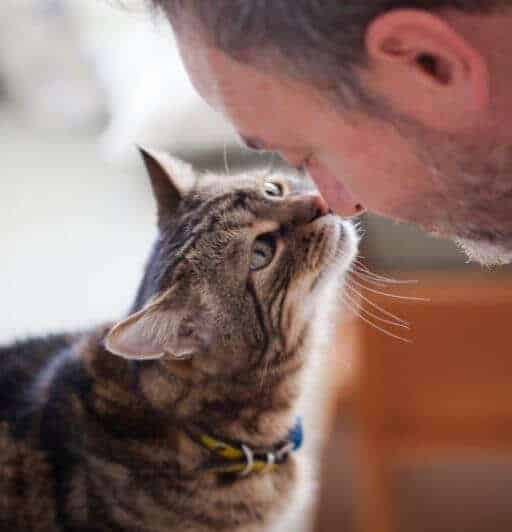
The single biggest factor impacting the lifespan of a mixed-breed, domestic cat is an indoor-only lifestyle, potentially with controlled and supervised access to the outdoors in a catio or on a harness and leash.
An inside-only, domestic, mixed-breed, cat lives an average of 13-17 years. A free-roaming, outdoor, cat’s lifespan averages about half that.
Outdoor cats are impacted by disease, physical traumas like getting hit by cars, attacked by predators, mauled by dogs, harmed by other humans that hate cats, and parasites like worms, fleas, and ticks.
The UC Davis School of Veterinary Medicine puts the average lifespan of indoor cats at 10–15 years and outdoor cats at as low as 2–5 years.
How Kitty’s Breed Affects His Lifespan
Most breed cat’s lifespan fall within the average lifespan of domestic cats generally. Some breeds are affected by health issues that shorten their lifespan. There aren’t specific breed traits that lengthen the lifespan of any breed of cat.
Mixed breed cats generally live longer than pedigreed cats because they have a wider gene pool. The following lists are some examples of the lifespans of various breeds.
Breeds with Long Lifespans
Siamese : 12-20 years
Burmese: 16-18 years
Egyptian Mau: 12-15 years
Ragdoll: 15+ years
Balinese: 12-20 years
Russian Blue: 15-20 years
Bombay: 12-16 years
American Shorthair: 15-20 years
Breeds with Shorter Lifespans
Pixie Bob: under 12 years
Sphynx: 8-14 years
Manx: 8-14 years
Singapura: 9-15 years
Japanese Bobtails: 9-15 years
Devon Rex: 9-15 years
Munchkins: 12-14 years
How Old is My Cat in Human Years?
People often think that one “cat year” is equivalent to 7 “human years”, but this isn’t accurate.
Cats mature quickly in the early years of life. The first year of your cat’s life is considered the equivalent of 15 human years. The second year adds nine more human years to the total, which means the first 2 cat years are approximately 24 human years. After this, each additional human year is around four “cat years.”
Ages and Stages of a Cat’s Life
You can understand your cat better now that you have a general idea of his age in human years. The stages of your Kitty’s life defines her health needs and behavior.
The crazy kitten behavior might not drive you as crazy if you realize that she’s just learning about her world, the same as your little children and an adolescent cat can be as fresh and defiant as any teenager.
Likewise, you’ll understand why your vet wants to see your 10 year old every 6 months instead of just once a year if you realize his age is the equivalent of your grandparents ages.

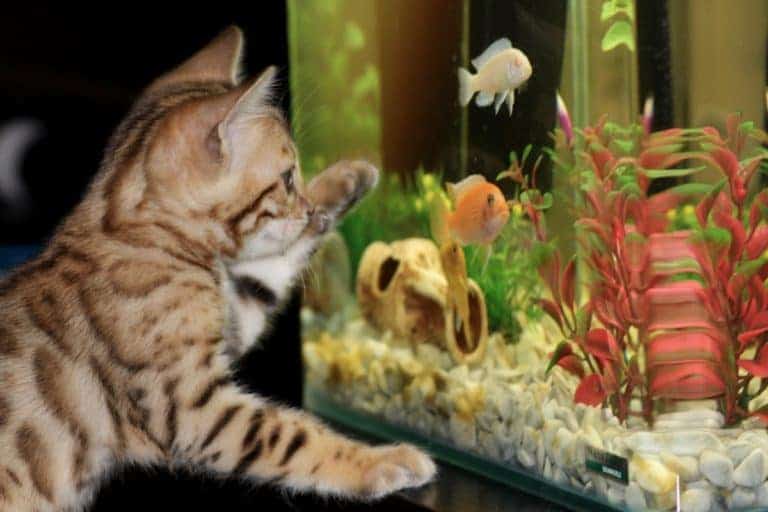
Kitten
Birth to 1 year old.
Your baby is growing rapidly. They are playful and busy. The care your furbaby gets during her kitten season sets her up for success in the rest of her life. Kittens should eat kitten food that is more nutrient-dense and easier to digest than adult cat food, with the higher calorie count, protein and fat content that growing kittens need. They receive their essential kitten vaccines and are spayed or neutered.
A kitten’s prime socialization period is when they are very young, under 4 months old. They are open to learning new things.
Kittens start self play with objects by 3 weeks, and social play with littermates begins around the same time and peaks around the time they are typically rehomed, around 12-14 weeks old. They learn to trust people, get used to the sounds of a home-and the show hall if they are show cats-and allow themselves to be handled.
Teach your baby the rules of your home. Train him to use the litter box, scratch his posts instead of your couch, stay off the counters, get him used to his carrier and car rides and so on.
Young Adults
Ages 1-6.
Some sources divide a cat’s life up into more stages. Young cat’s life stages in this system are:
- Kittens from birth to 6 months. Your 6 month kitten is the equivalent of a 10 year old child.
- Juniors from 6 months to 2 years. The junior stage of 6 months to 2 years is equivalent to 12-24 in human ages.
- Prime from 3-6 years. This stage would be the same as a 28-40 human in the prime of their life.
Young adult cats are still very active and playful. They continue to learn about their world and how to navigate it. They reach their full physical growth.
Young adult cats are healthy, relatively resistant to illness, well-muscled, with a sleek and shiny coat. Kitty transitions to adult cat food at around his first birthday. He should have baseline bloodwork to establish his normal values to compare as he ages, stay current on vaccines, and routine yearly exams.
Mature Adult
Age 6-10 years old. Equivalent to 44-56 in human years.
Your kitty has reached middle age. She starts slowing down. She isn’t as playful, her lifestyle may become more sedentary. You’ll have to watch his weight to be sure he doesn’t become overweight. Mature and senior cats generally need 20-30% less calories.
Related Post: My Fat Cat: an Epidemic of Cat Obesity
Kitty should be monitored for arthritis, kidney disease, thyroid problems, or digestive issues with routine bloodwork every 1-2 years. His risk of dental problems increases.
If you’re living with a middle age kitty, you have to pay more attention to his behavior for any signs of cognitive dysfunction or kitty dementia. Don’t limit her because of her age though. Kitty should still be offered a full, enriched, life.
Senior
11+
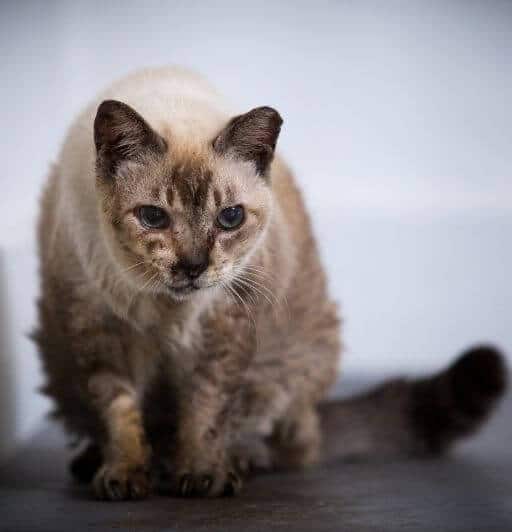
Kitty is a senior citizen. As cats are living longer this category has been broken out into Seniors ages 11-14, equivalent to 60-72 years in human years and Geriatric or Super Senior. These cats are 15 or older. They would be over 76 in human years. A 21 year old cat is equal to a 100 year old human.
Some senior cats will age well and remain active, well-muscled, and healthy while others will have more illnesses and suffer from degenerative disease.
Cats in this stage need to see the vet and have blood work and urine tests every 6 months as kidney disease is common in older cats and needs monitoring to keep them as healthy as possible. Elderly cats may struggle to maintain muscle mass. They are prone to high blood pressure that can cause strokes or blindness. These cats are likely to suffer from arthritis pain that needs treatment. Senior cats can lose their hearing.
While senior cats may need the reduced calorie diet, a super senior may actually need a higher calorie food as their weight declines naturally with age. The Association of American Feed Control Officials (AAFCO) defines nutrient levels for growth (kittens), adults, pregnant and lactating females, but not for seniors. Talk to your furbaby’s vet about what Kitty should be eating. Some conditions require adjustments to protein, phosphorus, or sodium in addition to caloric concerns to lose, gain, or maintain weight.
How to Help Your Cat Live Longer
How can you increase your cat’s chances of making it to 21? I tell Treeno every day he’s going to live forever but there’s no magic pill or button to push to make that happen.
We can give our babies the best chance at living their best life for as long as possible though if we do the best we can to give them great care. That includes:
Preventative Veterinary Care:
Routine blood work, tests, and check-ups. Keep her current on recommended vaccinations. Keep your vet informed about any change in Kitty’s behavior. Remember cats are masters of hiding pain and illness.
Watch Kitty’s Weight
Mature cats can get fat. Obesity is epidemic in cats. Senior cats, especially as they approach geriatric age, can struggle to keep their weight up. Offer an age-appropriate, balanced diet. Maintaining a healthy body condition reduces risk for many of the diseases that affect cats.
Keep Kitty Hydrated:
Water is the most important nutrient for cats. Add fountains, extra water sources, and offer wet food with warm water added. Senior cats often don’t drink enough water. Give him help with products like HydraCare or KittyRade.
Manage Your Cat’s Dental Hygiene:
Most cats over the age of three already have some dental disease. Dental bacteria can get into the bloodstream and cause organ damage or death. Learn how to brush her teeth and stay current with vet recommended cleaning and treatment.
Reduce Stress in Kitty’s Life:
Keep Kitty mentally engaged and physically healthy. Bored, depressed, and stressed cats live shorter lives. Providing Kitty with toys and interactive playtime, as well as perches, scratching posts, and tunnels can help keep her active. Things like food puzzles and brain games keep her engaged.
Related Post: Sensory Enrichment for Bored Cats
How to Determine Your Cat’s Age?
Determining a cat’s age can be tricky and is best done by consulting an experienced veterinarian. While you can generally tell if your new feline friend is a kitten, young adult or an adult just by looking at it, only a vet can give you an approximate age of the cat based on its teeth, eyes, coat, and overall maturity. Remember that even your vet cannot give you an exact answer but can provide an educated guess as to Kitty’s age.
Summary
The lifespan of a cat can vary depending on various factors such as lifestyle, health care, and genetics.
On average, a cat can live 12-15 years, but with improvements in veterinary care and better understanding on the part of cat guardians, some cats are surpassing the 2 decade mark.
Understanding the ages and stages of a cat’s life, from the playful kitten to the wise senior, allow us to provide them with the best possible care at every stage.
By nurturing their physical and emotional well-being, we can ensure our feline friends enjoy a long, happy, and fulfilling life by our side.