Combating Cat Obesity for a Healthier, Happier Pet
Last Updated on October 4, 2023 by Holly Anne Dustin
October 10th is Pet Obesity Awareness Day. Cat obesity is a serious health problem. The Association for Pet Obesity Prevention (APOP)
The veterinary profession considers a cat obese if it is over 20% above normal weight. Twenty-five percent of cats are obese. The average adult cat should weight around 10 pounds.
But it is important to consider a cat’s breed when assessing cat obesity. Some breeds have different averages. A Singapura should weigh 4-6 pounds. Persians and Siamese range 6-12 pounds. A Ragdoll or Norwegian Forest Cat would be at his ideal weight at 20 pounds and Maine Coons can be at normal weight at 25 pounds.
Obesity usually occurs in cats between the ages of 5 and 10. Indoor cats and spayed/neutered cats are at a higher risk because of changes in metabolism and a lack of exercise. Long haired cats are more likely to be overweight than short haired cats but fat cats really are fat not fluffy.

Domestic cats tend to outweigh their pedigreed friends; but any cat will gain weight if she consumes more calories than she burns for energy. In the wild a kitty would hunt and catch a couple of mice a day. She would have to exercise (hunt) to get those meals. Our pet kitties, like us, have an unending supply of food available without the accompanying physical exercise.
Contents
Does My Kitty Need a Diet?
A vet check will tell you how your cat’s weight affects her health. In the meantime, you can assess her Body Condition Score at home. If you run your hands down his ribs, you should be able to feel the ribs.
When I was taking a cat care course, I learned how to use the Body Condition Score and the knuckles on your hand to assess Kitty’s condition. Hold your hand palm down and run your other fingers across your knuckles. That’s the feel a healthy cat should have. Turn your palm up and run your fingers across the base of your fingers. If Kitty’s ribs feel like that, she’s likely overweight. Now make a fist. Run your fingers across the knuckles. Kitty’s underweight if she feels like that.
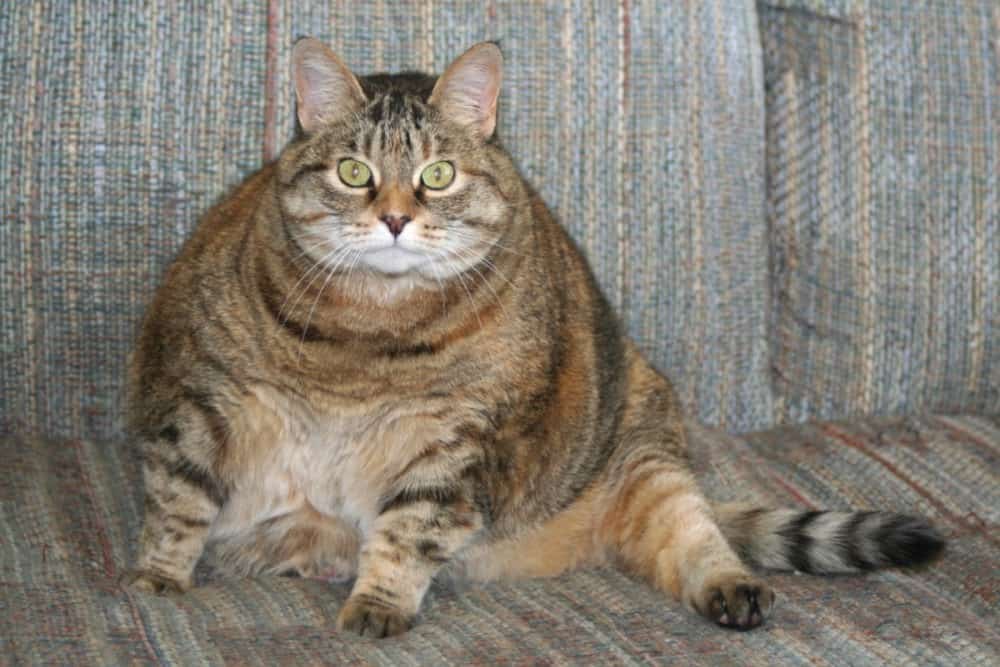
Inspect Kitty from the side and then from above. An obese cat will have fat stored across her back and face. She will not have a visible waistline. A healthy cat will have a waist and tuck up.
Consequences of Cat Obesity
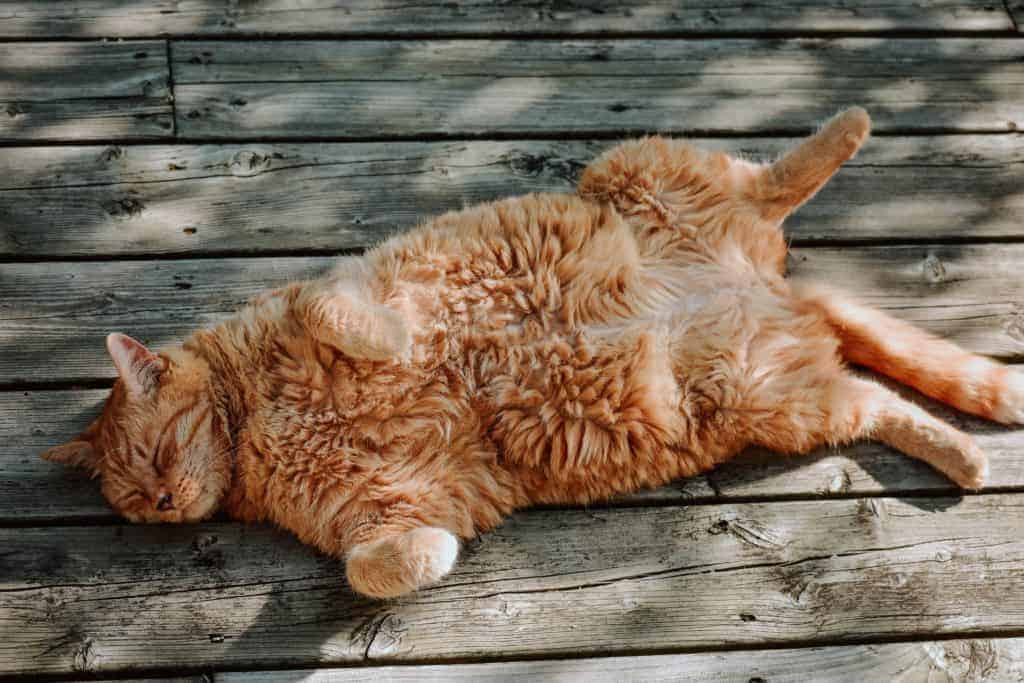
Obese cats are tired and inactive. They have a shorter life than cats at their ideal weight. The extra weight affects multiple areas of the body. For example, an extra two pounds puts a cat at three times greater risk for developing diabetes.
Overweight cats are at risk for arthritis, hip dysplasia, high blood pressure, heart and lung disease, ruptured ligaments, respiratory issues, compromised immune systems, liver disease and some cancers.
What Cat Food is Best for Weight Loss?
Feeding a diet with lower calories and an appropriate nutrient balance is essential. Your veterinarian can tell you how many calories Kitty needs and recommend the diet best for your cat. Just putting Kitty on a smaller portion size of whatever she’s eating now isn’t necessarily the way to go because you could be limiting necessary nutrients as well. You should never put an obese cat on a diet without veterinary supervision.
Reconsider a Dry Food Diet
The single biggest factor for the epidemic of cat obesity is the free feeding of dry food. Cats are obligate carnivores. They don’t have the digestive enzyme amylase to process carbohydrates. Cats convert carbohydrates to fat. Dry food must contain a higher carbohydrate load to stay together during processing.
Most dry food, especially the cheaper brands, have grains as the major ingredients and are low in protein. Protein is the single most important nutrient for cats. Cat nutritionists recommend a diet composed of high protein, moderate fat, very low carbohydrates, and full of moisture.
Switching Kitty to a canned or balanced raw diet, fed at predictable meal times 2-4 times a day, is the first step to getting him to a healthy weight. If you must feed treats use freeze-dried meat or fish. Factor the calories into the total amount fed.

We want to replicate a cat’s natural diet staples of mice and birds. They typically contain only 3-8% carbs, the rest is moisture, protein, fat, and the minerals in the bones. An average prey animal weighs a half an ounce to an ounce.
You will need to learn to read a cat food label. It takes a lot of reading between the lines. Often it takes research beyond the label. We have a guide to decoding the cat food label here.
Aim for Slow and Steady
Reduce your cat’s food slowly, aiming for a 1-2% percent of body weight loss per week. Weigh your kitty every 2-3 weeks to keep yourself accountable. It is critical that a cat lose weight gradually and steadily. If you reduce a cat’s food intake too fast, the feline can develop a serious liver disease called hepatic lipidosis.
Expect to have Kitty visit the vet monthly for weight checks. Most cats achieve their weight loss goals in 6-8 months.
Play and Exercise to Lose Weight
The other side of the equation is to get kitty moving. Enrich your environment. Create vertical territory for her to climb and explore. Give her some boxes to hide in. Make an agility course or fitness run. Take her out on a leash and harness if she’s up for it.
Play with her. Cat parents who play with their cats are more likely to have cats of normal weight. Toys that encourage predatory play will trigger her natural hunting instinct and get her moving. Find the style of toys she likes best – things that fly or things that crawl.
Related Post: Predatory Play
Set up an agility course for her. Or maybe a spirited game of fetch (yes, cats will fetch), or “cat soccer” with ping pong or foam ball are more her speed. My Katie’s a great goalie.
Let her hunt for her meals. Divide her meals. Hide some of the food in different places around the house instead of just putting down a bowl. Consider using puzzle feeders to encourage activity (they are great for mental enrichment, too.)
Clicker training can be a great addition to help Kitty get her steps in. Teaching her a good recall. Train her to come or teach him to chase a toy or come to his food bowl on command. In extreme cases, physical therapy like water treadmills or swimming, yes water therapy, can help.

Summary
Cat obesity is a growing concern for pet owners and veterinarians alike. It can lead to a variety of health problems and ultimately shorten your cat’s lifespan. However, with the right diet and exercise plan, you can help your furry friend shed those extra pounds and enjoy a happier, healthier life.