

Indoor Cat Enrichment Activities: Top 10 Easy Games Cats Can’t Ignore
Contents
- 1 Summary
- 2 Why Enrichment Matters for Your Indoor Cat’s Well-Being
- 3 Top 10 Indoor Enrichment Activities to Boost Your Cat’s Joy
- 3.1 Puzzle Feeders to Spark Hunting Instincts
- 3.2 Window Perches for Bird Watching Adventures
- 3.3 Interactive Wand Toys for Playful Chasing
- 3.4 Cardboard Box Mazes for Hide and Seek Fun
- 3.5 Scent Trails Using Safe Household Items
- 3.6 Cat Trees and Vertical Climbing Spaces
- 3.7 Clicker Training for Smart Tricks and Rewards
- 3.8 DIY Tunnels from Pillows and Towels
- 3.9 Music Playlists Tailored for Cat Relaxation
- 3.10 Bubble Chasing with Pet-Safe Solutions
- 4 Tips for Success with Indoor Cat Enrichment Activities
- 5 Conclusion
Summary
Indoor cats live a longer, safer life but boredom creeps in fast when every day looks the same. That can lead to stress, weight gain, or unwanted habits. It is on us as cat guardians to provide our furbabies with an interesting, full life. The good news is, simple indoor cat enrichment activities can flip the script and keep Kitty engaged. Enrichment works when it taps into natural cat behavior. Think hunting, stalking, climbing, scratching, and exploring new scents. It doesn't have to take all day or cost a lot of money. Small daily activities make a big difference. Play can cut stress, curb night zoomies, and prevent mischief. Best of all, shared play builds trust and strengthens your bond.
Last Updated on April 29, 2026 by Holly Anne Dustin
Do your indoor cats act restless, pace the hall, or cry at night? Does she sleep all day? Scratch your couch or tear up your rug? Indoor cats live a longer, safer life but boredom creeps in fast when every day looks the same. That can lead to stress, weight gain, or unwanted habits. It is on us as cat guardians to provide our furbabies with an interesting, full life. The good news is, simple indoor cat enrichment activities can flip the script and keep Kitty engaged.
Enrichment works when it taps into natural cat behavior. Think hunting, stalking, climbing, scratching, and exploring new scents. When you build play around those instincts, your cat gets a healthy outlet for her natural energy and curiosity.
It doesn’t have to take all day or cost a lot of money. Small daily activities make a big difference. Play that gets your cat moving supports joint health and a steady weight. Mental challenges cut stress, curb night zoomies, and prevent mischief. Best of all, shared play builds trust and strengthens your bond. A few minutes, done often, pays off in a healthier cat in a calmer, happier house.
In this guide, you will find fun indoor cat enrichment activities that are easy to set up and budget friendly. We will cover quick games, food puzzles, scent work, vertical spaces, and more, all tailored for indoor life. You will get clear steps, simple gear ideas, and tips to match your cat’s age and energy. Your cat is sure to find one or more she just can’t ignore.
Ready to refresh your routine? The top 10 ideas ahead are practical and tested by the real cats in my life. Pick one to start today, then rotate through the list to keep things novel. Your living room can feel like a mini adventure center, and your cat will thank you with better mood and great naps and your relationship will grow too.
Why Enrichment Matters for Your Indoor Cat’s Well-Being
Indoor life is safe, yet it can be dull for a curious cat. The same rooms, the same routine, and no outdoor adventures can wear on both body and mind. Enrichment fills that gap with small challenges that satisfy natural instincts and support long-term health.
The Hidden Challenges Indoors
Cats thrive on novelty and control. Inside, they face common hurdles that can trigger stress or trouble behaviors.
- Limited space: Fewer places to climb, sprint, or survey the room.
- Predictable routine: Nothing new to stalk, sniff, or solve.
- No hunting outlet: Energy builds, then shows up as zoomies or destruction.
- Weight creep: Free feeding plus low movement leads to obesity.
- Anxiety spikes: Bored minds chase noise, shadows, or overgrooming.
- Night restlessness: Natural dusk hunters struggle to settle.
How Enrichment Supports Health
The benefits of indoor cat enrichment activities stack up fast when you make them a habit.
- More exercise: Short chase games raise heart rate and burn calories.
- Lower stress: Puzzles and scent play calm the nervous system.
- Sharper mind: New tasks build confidence and problem-solving skills.
- Better sleep: Hunt, eat, groom, sleep, repeat. The cycle resets the body.
- Fewer misbehaviors: Scratching posts and foraging cut boredom-based damage.
These are practical, healthy indoor cat tips that pay off in many ways. The more active your cat, the more important enrichment is going to be. Our Ocicats and Ryder are very intelligent and active cats. When they aren’t provided with enough enrichment they either get destructive or start fighting. It’s easier to look at a Ragdoll like Johnny or a Persian like Norman asleep on a pillow and think “well, he’s fine. They’re not active cats.” But even your laziest Ragdoll will benefit from regular enrichment activities. And you’ll get some laughs over the silliness.

Spot Your Cat’s Preferences
All cats have preferences in the types of activities they prefer and the way they play just like human children do. Watch your cat for one week. Note what earns a pounce.
- Prey style: Bird cat loves air wand play. Mouse cat likes floor wiggles. Chasers or stalkers.
- Timing: Morning sprinter or sunset hunter.
- Motivation: Food seeker, toy chaser, or scent explorer.
- Surfaces: Carpet scratcher, cardboard fan, or sisal climber.
- Zones: Vertical or horizontal. Floor runner or window ledge watcher. (Jackson Galaxy famously defined these as tree dwellers and bush dwellers.)
Example: A bird cat may chase a feather lure in quick arcs, not straight lines. While a stalker cat will like their lures peaking out around corners and pulled around under a rug, A chaser cat will love a rattle ball or spring to through around while the whack-a-mole type toys will appeal to another cat. A food motivated cat will do anything for a Churu or a few Temptations while a toy chaser would rather see his favorite lure toy come out of the closet.
Just because your cat has a specific preference doesn’t mean you should never expose them to other indoor cat enrichment activities. Like a child’s learning style, play preferences are the favored way to approach play not the only way. Some cats, like my Ryder, have stronger preferences than others. It is harder to get those cats to reach out of their comfort zone. But I still keep trying. (Luckily my daughter’s Ocicats will be happy to take any toys Ryder doesn’t want.)
Start Small, Keep It Daily
Consistency beats marathon sessions. Build micro-habits that fit your day. Adding enrichment should be something Kitty can look forward to on a regular basis, not a special event. Save the special event things for holidays and birthdays.
- Do two 5-minute play bursts, morning and evening.
- Rotate three toys weekly to keep novelty high.
- Pair play with meals, then offer a small food puzzle.
- Place a scratch post near nap spots and a second by the sofa.
- Track wins in a simple note, like longer naps or fewer meows at night.
Keep sessions upbeat, stop while your cat still wants more, and celebrate small progress. Over time, these tiny upgrades create a fit body, a calm mind, and a happier indoor life.
Related Post: More Enrichment Ideas for Cats
Top 10 Indoor Enrichment Activities to Boost Your Cat’s Joy
This curated list brings you easy, affordable ideas that make indoor cat life more fun. You will find a mix of quiet, curious, and high-energy options, so you can match activities to your cat’s mood. Start with simple setups, then move into more interactive play. Rotate often for the best cat enrichment activities and steady indoor cat fun ideas.
Puzzle Feeders to Spark Hunting Instincts
Puzzle feeders ask your cat to work for food, which taps into natural foraging. You can buy treat-dispensing balls, slow-feeder bowls, or maze trays. Or try DIY versions with toilet paper rolls, a muffin tin covered with tennis balls, or a clean plastic bottle with small holes.
How it helps your cat engage: your cat bats, paws, and sniffs to release kibble. This slows eating and reduces gulping that can cause tummy upset. It also turns mealtime into a brain game that feels like a mini hunt. Puzzles tap into several of Kitty’s senses making it a really good source of enrichment.
Getting started:
- Begin with easy puzzles that drop food with a few nudges.
- Use a favorite dry treat to build interest.
- Offer it for part of a meal, not the whole serving, for the first week.
- Gradually increase difficulty once your cat is hooked.
Related Post: Sensory Enrichment for Your Indoor Cat
Keep it fresh by rotating two or three styles every few days to keep the challenge up. If it is always the same it gets just as boring as a bowl. For safety, choose sturdy materials, smooth edges, and holes big enough to prevent stuck paws. This approach supports better weight control without adding stress to meals.
Don’t overlook puzzles intended for small dogs if your cat is solving puzzles easily.

Window Perches for Bird Watching Adventures
A window perch creates a safe front-row seat to the outside world. Choose a suction-cup perch with strong metal supports or mount a shelf with brackets. Add a non-slip pad or small blanket for comfort. Place it at a window with a clear view of trees, a yard, or a courtyard. Kitty will enjoy sitting there watching the world go by just like we would enjoy sitting at a cafe people watching.
How it engages: watching birds, squirrels, and swaying leaves sparks visual tracking and quiet focus. It meets curiosity needs and reduces indoor frustration by offering new sights each day. For bonus points place a bird feeder or bird bath outside the same window, a few feet away from the glass.
Setup tips:
- Position for morning or late afternoon sun, not direct midday heat.
- Avoid blinds or cords that can tangle.
- Give your cat a step-up path with a stool if the sill is high.
Check suction cups weekly, clean glass before mounting, and test weight support. Keep the window closed and locked. For comfort, swap blankets seasonally and sprinkle a pinch of catnip the first few days to invite a jump up.
Related Post: Social Enrichment for Cats
Interactive Wand Toys for Playful Chasing
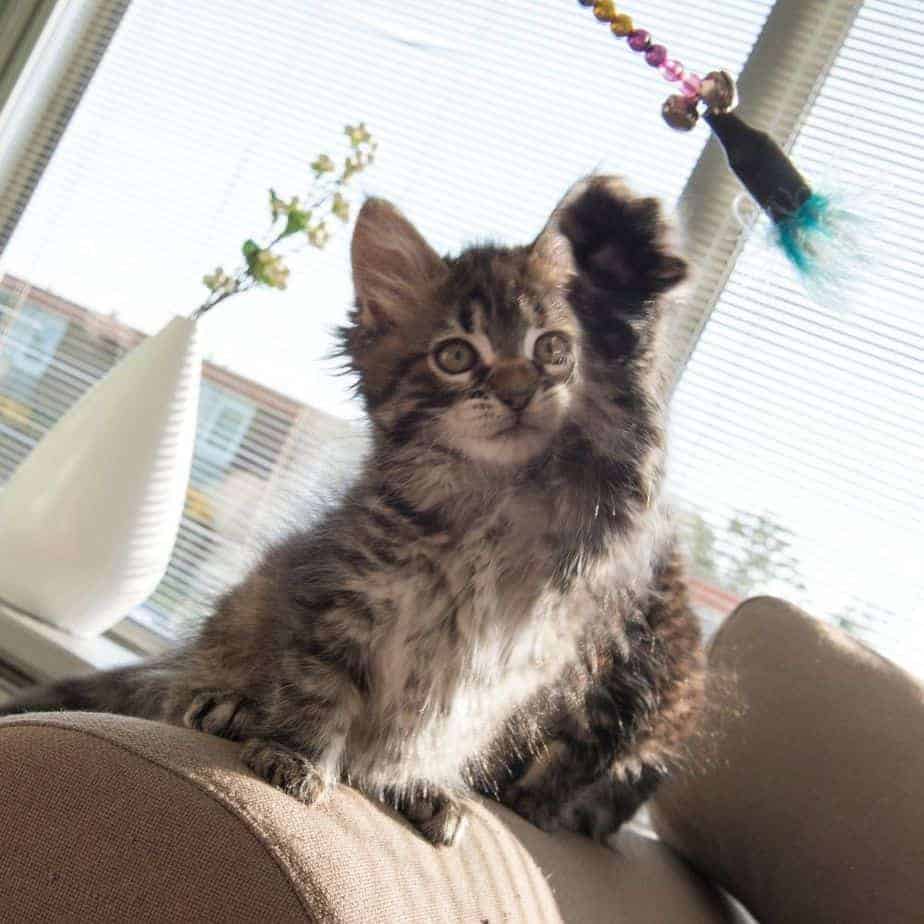
This is far and away the best way to engage most cats but takes the most effort on your part. Wand toys mimic prey. Feather wands, ribbon lures, and string teasers move like birds or mice and trigger a chase. Aim for two short sessions a day. Three to seven minutes is perfect for most cats.
Make it feel real. Move the toy in short bursts, hide it behind furniture, and pause like prey that is about to bolt. For bird-loving cats, let the lure flutter and rise. For mouse fans, keep it low and skitter it across the floor. Encourage jumping, pouncing, and quick turns to build strong, safe movement.
Simple routine:
- Warm up with slow wiggles.
- Add fast sprints and short leaps.
- End with a “catch” so your cat can bite and kick.
- Offer a small snack or a few kibbles to close the hunt.
Stop before your cat shows heavy panting or disinterest. Store wands out of reach to protect cords and feathers and to keep the thrill alive. This is also prime bonding time, since you control the action and match the pace to your cat’s energy.
Cardboard Box Mazes for Hide and Seek Fun
Amazon or Chewy make frequent deliveries to your house? Recycled boxes can turn your living room into a safe maze. Choose clean, tape-free boxes with no staples. Cut doorways at different heights, and add peek holes for whisker-level scouting. Connect two or three boxes with short tunnels made from trimmed boxes or paper bags with handles removed.
Why it works: boxes give your cat cozy hideouts and a chance to stalk through small spaces. Crawling, peeking, and popping out builds confident exploration without risking damage to furniture.
Build it step by step:
- Start with two boxes and a single tunnel.
- Place a small towel inside each box for traction.
- Add a sprinkle of treats or Kitty’s favorite toy in the back to encourage entry.
- Refresh the layout weekly by rotating boxes or changing door positions.
Safety notes: smooth all cut edges, remove loose tape, and avoid tiny decorations that can be swallowed. Supervise the first sessions to see how your cat navigates corners. When the boxes get worn or damp, recycle and rebuild a new map. It is low cost and high fun, and you can tailor it to any space.
Related Post: Cognitive Enrichment Activities for Smart Cats
Scent Trails Using Safe Household Items
Scent play taps into your cat’s powerful nose. Make short trails with catnip, silver vine powder, crushed dried parsley, or diluted tuna juice dabbed on cotton balls. Place cotton balls under cups or behind door stoppers to create hide points, then lead a trail across safe floors.
How it engages: sniffing and following scent lines turns the home into a search zone. Your cat tracks, investigates, and problem-solves with each step, similar to foraging in the yard.
How to set it up:
- Choose one scent at a time to avoid overload.
- Place the first cotton ball near a favorite spot, then add two or three more in a line.
- End the trail at a small treat or a toy.
- Swap scents every few days to keep interest high.
Safety first: avoid essential oils, alcohol, spicy foods, onions, garlic, chocolate, and any unknown herbs. Keep liquids light to prevent sticky floors. Wipe surfaces after play, and store scent items in a sealed container. Refresh scents weekly to avoid habituation and keep the hunt fresh.
Cat Trees and Vertical Climbing Spaces
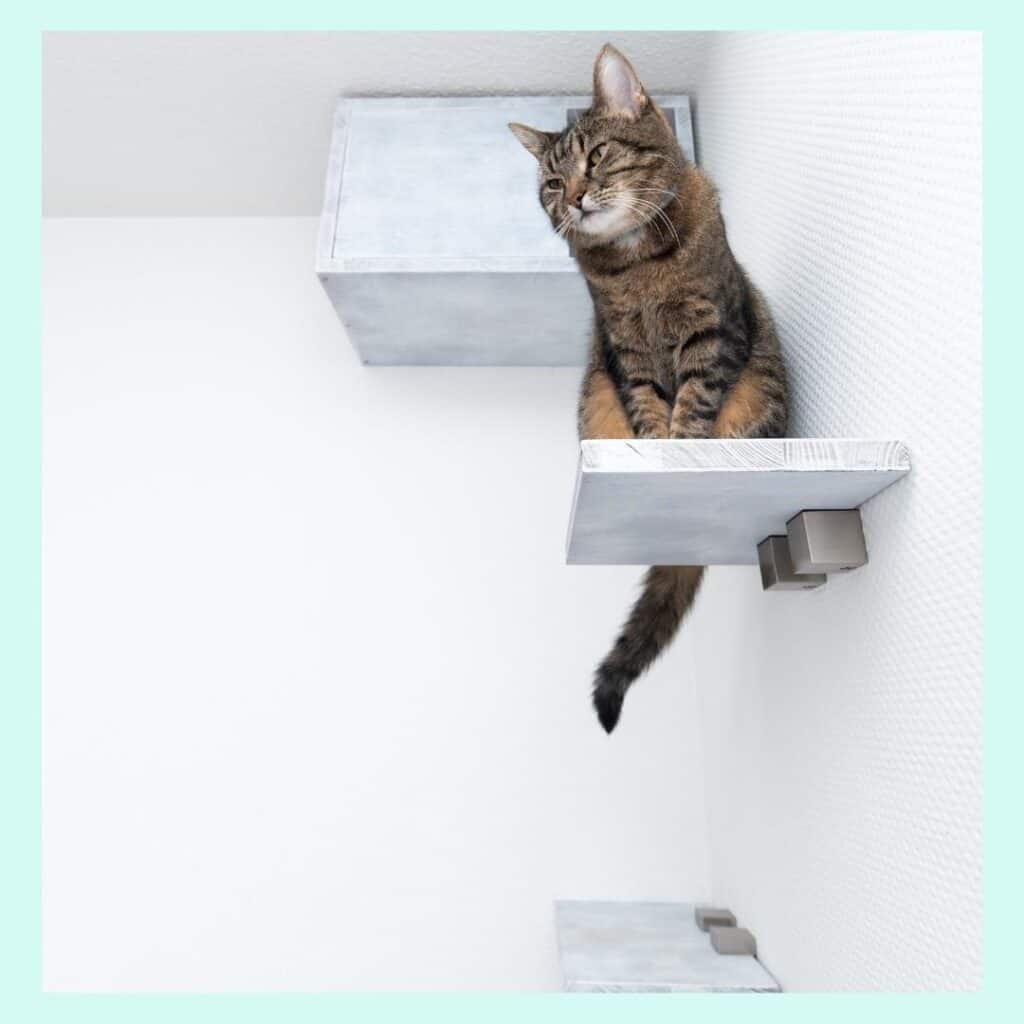
Vertical space expands your cat’s world. A sturdy cat tree or wall-mounted shelves invite stretching, scratching, and surveying. Look for a base that does not wobble, posts wrapped in sisal, and perches wide enough for full-body lounging.
Engagement cues: climbing and perching in higher zones offers a sense of security and choice. Your cat can watch the room, nap in peace, and plan safe routes between spots. Height also helps release tension without rough play.
Placement tips:
- Put the tree near a window or in a quiet corner with a clear view.
- Avoid cramped hallways that force traffic jams with people or other pets.
- Anchor tall trees or use L-brackets for extra stability.
Add small upgrades like dangling toys, a hammock shelf, or a sprinkle of catnip on the top perch. Clean fabric covers often and trim any loose threads. Wall shelves should include a grippy surface so paws do not slip. Create a gentle path up and down, not one big leap, so your senior cats can enjoy it too.
Clicker Training for Smart Tricks and Rewards
Clicker training builds a routine your cat looks forward to. Use a small clicker or a pen with a soft click. Pair the sound with a tiny treat so the click means “yes.” Start with simple behaviors like sit, target touch, or high-five.
Quick plan:
- Charge the clicker. Click, then treat, five to ten times.
- Teach sit by raising a treat over the head until the bottom touches the floor. Click, then treat.
- Add a cue word like “sit” once your cat offers the behavior.
- For high-five, hold a treat behind your fingers so your cat reaches a paw. Click the paw touch, then treat.
Keep sessions short, one to three minutes, a few times a day. Use only positive reinforcement. No scolding, no pushing paws into position. This style builds confidence and clear communication. Rotate rewards between food, a quick wand chase, or a cheek scratch for variety. End while your cat is still engaged, then take a break.
For more on clicker training, check out Cat School.
DIY Tunnels from Pillows and Towels
Soft tunnels invite burrowing and quiet exploration. Stack two chairs and drape a blanket over them to form a tent. Line the floor with towels for traction. For a quick tunnel, place two laundry baskets on their sides, then cover with a sheet. You can also fold pillows to create short arches.
Engagement: crawling through fabric and squeezing under arches taps into denning instincts. Your cat will stalk, peek, and sprint through, then pause to listen for the next move. Vary the length and add curve sections to change the route.
Make it fun:
- Hide a few treats or a crinkle ball inside.
- Place a wand toy at the exit to spark a chase.
- Add a second exit so your cat feels in control.
Safety matters: remove loose strings, pins, or rubber bands. Inspect laundry baskets for sharp edges. Wash fabrics often so tunnels smell fresh and inviting. When play wraps up, fold and store the setup in minutes. This is a renter-friendly way to add a new play zone without buying more gear.
Music Playlists Tailored for Cat Relaxation
Calming sound can lower tension and set a cozy mood. Try cat-specific music, soft classical, or gentle nature sounds through a speaker at low volume. Choose tracks with steady rhythm and minimal sudden spikes.
How it helps engagement: a calm audio backdrop supports restful lounging near window perches or trees. It softens outside noises that can trigger alertness, like hallway traffic or a loud dryer. For alone time, a curated playlist helps your cat settle into a safe routine.
How to start:
- Test different playlists and watch ear position and body language.
- Keep volume low so your cat can still hear normal household cues.
- Pair music with a perch, warm blanket, or a slow-feed snack for a clear relaxation cue.
Rotate playlists every week to avoid boredom. Avoid long sessions with booming bass. Keep cords protected or use Bluetooth to remove chew temptations. Over time, your cat may link certain tracks with nap time, which makes your home feel calm, even when you are out.
Bubble Chasing with Pet-Safe Solutions
Pet-safe bubbles are a simple way to add surprise play. Use non-toxic, cat-friendly solutions, some are lightly flavored to raise interest. Blow bubbles in an open space with clear floors. A hallway or living room works well.
Engagement value: floating bubbles drift, pop, and vanish, which triggers stalking and batting without heavy impact. Short bursts feel like play breaks, not long workouts. Aim for a minute or two, then stop to keep it novel.
Setup and tips:
- Place a rug or yoga mat to help with traction.
- Keep breaks between rounds to prevent overstimulation.
- Wipe any residue in case the floor gets slick.
Safety first: never blow bubbles near the face at close range. Avoid strong scents or unknown solutions. Store bottles out of reach to prevent spills and chewing. Use this a few times a week, not daily, so it stays special. The novelty factor is high, and the chase feels light and joyful without needing extra gear.
These indoor cat fun ideas give you a flexible toolkit you can adapt to your home, schedule, and cat’s style. Mix mental puzzles with movement, and add quiet sensory options for balance. With a small rotation and a few minutes a day, you will deliver some of the best cat enrichment activities your cat will look forward to again and again.
Tips for Success with Indoor Cat Enrichment Activities
Good routines make enrichment stick. Use these cat enrichment tips to plan, track, and fine-tune daily indoor cat activities without overload.
Set a Simple Schedule
Build two short play blocks, morning and evening. Aim for 5 to 10 minutes each. Pair play with meals to follow the hunt-eat-groom-sleep cycle. Add one quiet activity at midday, like a window perch or music.
- AM/PM routine: wand play or puzzle feeder, then dinner or breakfast.
- Rest days still need light brain work, not total downtime.
Watch and Track Responses
Keep notes in your phone. Log toy type, duration, mood, and energy after. Look for patterns. Did the puzzle calm vocalizing? Did wand play cut night zoomies? How was Kitty’s appetite? Did she sleep more or less? Is destructive behavior reduced?
Adjust for Age and Health
Match intensity to your cat’s needs. Kittens need short bursts and many resets. Senior cats prefer gentle climbs and slow puzzles. For arthritis or heart concerns, keep sessions low impact and floor based. Ask your vet before raising intensity. High-energy breeds need more intense sessions.
Mix and Pair Activities
Combine one movement task with one calm task for balance. Rotate themes every few days to keep novelty high.
- Example: 6 minutes of wand play, then a small puzzle bowl.
- Swap lures and puzzle shapes, not just locations.
- Rotate self-play toys to keep fresh. Offer options that tap into different senses.
Avoid Common Mistakes
- Skipping warmups or a cool-down.
- Sessions that run too long, cap at 10 minutes.
- Pushing when your cat turns away.
- Leaving string toys out, store wands out of reach.
- Changing too many variables at once, adjust one thing per week.

Conclusion
A simple daily plan of indoor cat enrichment activities, short play bursts, and a steady rotation transform restless nights and hallway pacing into calm naps and better moods. These ideas mix movement with mental work, support weight control, sharpen focus, and cut stress. Safety checks, smart toy storage, and matching play to your cat’s style tie it all together. This is the top cat enrichment for healthy cats, and it fits any home and budget.
Start with one or two ideas today, like a wand session and a puzzle feeder. Track small wins, then swap in a new activity every few days. Keep sessions brief, stop on a high note, and let your cat guide the pace.
What did your cat love most, the box maze or the window perch? Share your wins and tips in the comments, so other cat parents can try them too. Want more easy ideas for happy indoor cats? Subscribe and follow us for weekly tips.