
Kitten Grooming: A Guide for a Healthy and Happy Feline
Contents
- 1 Importance of Kitten Grooming
- 2 Gentle Brushing and Combing Techniques for Kittens
- 3 Introducing Kittens to Bathing
- 4 Nail Trimming and Ear Cleaning for Kittens
- 5 Selecting Appropriate Grooming Supplies for Kittens
- 6 Preparing Kittens for a Professional Grooming Appointment
- 7 What to Expect During the Grooming Process
- 8 Frequency of Kitten Grooming
- 9 Summary
Importance of Kitten Grooming
Kitten grooming plays a vital role in a kitten’s overall well-being, health, and happiness. It keeps her coat looking sleek and healthy, maintains her skin by distributing natural oils, preventing dryness, and promoting good blood circulation, which is essential for her overall health and comfort.
Grooming also serves as a bonding experience between you and your kitten. It provides an opportunity for you to spend quality time with Kitty, building a relationship of trust and familiarity. By introducing grooming in a gentle and positive manner, the kitten learns to associate it with care and affection, something to be enjoyed, not feared.
The grooming routine varies with the type of coat the kitten has. Short-coated kittens require weekly brushing to remove loose hair and prevent hairballs. Long-haired kittens need more frequent grooming to ensure their coat remains smooth and clean. Understanding your kitten’s coat is an important part of his care.
This post may contain affiliate links. Life and Cats is a Chewy affiliate and a member of the Amazon Associates program and as such we earn a small commission when you shop through our our links and banners. It doesn’t change the amount you pay. You can read our full disclosure policy here.
Gentle Brushing and Combing Techniques for Kittens
Gentle brushing and combing are crucial for kittens. Start with a soft-bristled brush and slowly introduce your kitten to the grooming process. Don’t push Kitty past her limit. A little more each time will work fine. Speak softly, pet the kitten, and offer her favorite treats during the grooming session. This positive experience can make future grooming sessions more pleasant for both you and your baby.
Related Post: How to Groom a Cat at Home
Introducing Kittens to Bathing
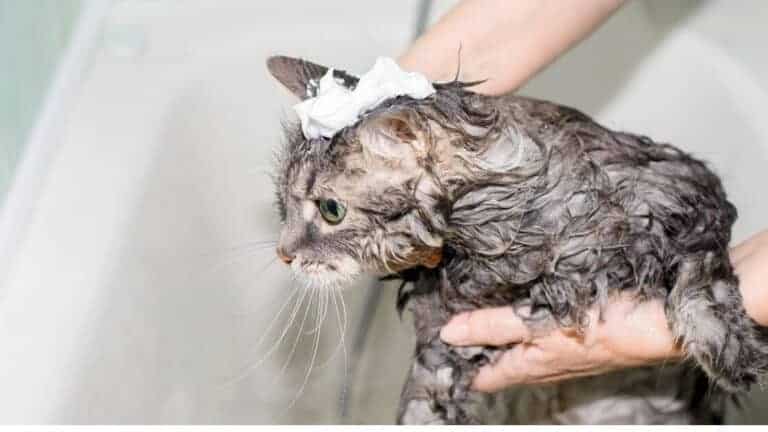
Introducing kittens to bathing can be a daunting task. Unless you are planning to show your kitten, or someone in your house is allergic, your kitten likely won’t need regular bathing. But things happen and most cats are going to need a bath at some point. It is better to get her used to it as a kitten. Especially for long haired kittens.

When bathing kittens, it’s essential to pay attention to the water temperature. The water should be comfortably warm, neither too hot nor too cold, to prevent shocking the kitten. Additionally, handling Kitty gently but securely during the bath to avoid causing distress or anxiety. Using a cat-specific shampoo is recommended to ensure that the product is safe for the kitten’s delicate skin and coat.
After the bath, it’s essential to dry the kitten thoroughly with a warm towel to prevent chilling. Keeping the kitten cozy and warm until they are completely dry is vital for their comfort and well-being. You can introduce your baby to a blow dryer on low or a drying box. By approaching the bathing process with patience and care, you can help your kitten be comfortable ensuring a positive experience for both of you.
Related Post: How to Safely Bathe a Cat
Nail Trimming and Ear Cleaning for Kittens
When it comes to nail trimming for kittens, start early to get them used to the process. This can help prevent scratches and damage caused by sharp claws, especially for indoor cats. To trim a kitten’s nails, it’s important to use specially designed pet nail clippers to avoid hurting them. Only trim the sharp tip of the nail to prevent causing any pain or discomfort to Kitty.

In addition to nail trimming, ear cleaning is an important aspect of a kitten’s grooming routine. Check Kitty’s ears regularly for any signs of dirt, wax buildup, or infections. Using a veterinarian-approved ear cleaning solution and a soft, gentle cloth, carefully wipe the visible areas of the kitten’s ears to keep them clean.
Selecting Appropriate Grooming Supplies for Kittens
When it comes to grooming your kitten for the first time, it’s crucial to have the right supplies on hand. For kittens with short coats, a soft-bristle brush or a grooming glove can help remove loose fur and distribute natural oils, promoting a healthy coat and skin. Kittens with long coats need a slicker brush along with a wide-toothed comb for thorough grooming.
These Catit Grooming Kits are nice tool sets if you’re just getting started grooming your kitten.
In addition to brushes and combs, it’s important to have cat-specific nail clippers for trimming their claws. Introduce your kitten to the clippers. Practice handling their paws and gently pressing on their claws at home to accustom them to the sensation.
Furthermore, having cat-specific shampoo on hand is essential, for the rare occasions when a bath is necessary. By preparing the appropriate grooming supplies and acclimating kittens to the grooming process, you can help ensure that their first grooming experience is a positive and stress-free one.
Preparing Kittens for a Professional Grooming Appointment
Introducing your kitten to his carrier, car rides, and the basic tools and techniques will help kittens be more relaxed at the salon if you choose to have him professionally groomed.
Handle kittens frequently to get them used to being touched and manipulated. Practice gentle brushing and combing at home to further acclimate kittens to the grooming process, making it a familiar and positive experience.
By taking these steps, guardians can help kittens feel more at ease and less stressed during their first grooming appointment, making it a more successful and pleasant experience for both the kitten and the groomer.
What to Expect During the Grooming Process
When you bring your kitten for their first grooming appointment, it’s natural to wonder what the process will entail. Your kitten’s first grooming session typically includes brushing, nail trimming, ear and eye checks, and possibly bathing. Throughout the grooming process, the groomer will handle your kitten with care and patience. A good groomer will want the experience to be as comfortable and stress-free as possible for your furry friend.

Frequency of Kitten Grooming
How often your kitten is groomed depends on various factors. One of the key factors to consider is the kitten’s age. Younger kittens may not require as frequent grooming as older ones, as their coat and grooming needs are still developing. For example, a kitten is typically ready for their first grooming appointment around 4 months old.
Another factor to consider is the breed of the kitten. Different breeds may have different grooming needs. For instance, long-haired breeds may require more frequent grooming. It’s important for kitten guardians to research the specific grooming needs of their kitten’s breed to determine the appropriate grooming schedule.
Additionally, the kitten’s lifestyle can impact their grooming needs. A show kitten needs regular grooming appointments. An outdoor cat may need more frequent appointments. On the other hand, indoor kittens who are less active may require less frequent grooming. By considering these factors, kitten guardians can determine a grooming schedule that suits their kitten’s individual needs.
Summary
Grooming is an important part of a kitten’s overall health and well-being. It not only helps them look and feel their best, but also promotes healthy bonding between the kitten and their guardian. Introduce grooming gradually and positively for your kitten’s comfort. With proper care and attention, your kitten will become accustomed to grooming sessions and enjoy the experience. Remember to always keep it fun, gentle, and rewarding for both you and your furry friend.