
The Siberian Cat: Characteristics, Care, and Temperament
Last Updated on January 13, 2026 by Holly Anne Dustin
The Siberian Cat is a beautiful and affectionate breed that has been gaining popularity among cat lovers in recent years. Originating from snowy Russia, these cats are known for their striking triple coat and playful personalities. They are medium-sized, strong and muscular cats that are highly intelligent and curious. They are sweet-natured, beautiful cats. People often ask me if my Minnie is a Siberian kitten. Of course she isn’t, but I wish she was. I’d love to have one.
Siberian Cats are a landrace breed, like the other forest cat breeds, meaning they have naturally developed over time and were only recently recognized as a formal breed. They are the Russian long haired domestic cat. They have been featured in old Russian fairy tales and played an important role as a mouser on farms and in homes throughout Siberia.
The Siberian Cats are known for their hypoallergenic qualities, making them a great choice for people with allergies. These cats are highly adaptable and can thrive in a variety of environments, from small apartments to large houses with plenty of space to explore.
Overall, the Siberian Cat is a delightful feline companion that is sure to bring joy and love to any household.
Related Post: See our other breed profiles on this page
Contents
- 1 History of the Siberian Cat
- 2 The Siberian Cat Breed Standard
- 3 Personality, Traits, and Temperaments of the Siberian Cat
- 4 Common Health Problems in Siberian Cats
- 5 Lifespan of Siberian Cats
- 6 Care and Grooming Needs of Siberian Cats
- 7 Do Siberian Cats Make Good Pets?
- 8 How Much Do Siberian Cats Cost?
- 9 Conclusion
History of the Siberian Cat
The Siberian Cat is a Russian national treasure. The Siberian cat is a native forest cat of Russia that first appeared in recorded history around the year 1000. The formal name of the breed is Siberian Forest Cat, but it is typically referred to as the Siberian or Siberian Cat. Sometimes the breed is called the Moscow Semi-Longhair or Russian Longhair. The breed was first mentioned in Harrison Weir’s Our Cats and All About Them in 1889.
The Siberian Cat’s geographic isolation from other breeds and unique environment crafted the Siberian with the distinct characteristics it has today. The first Siberian Cats were imported to the United States in June 1990 and the breed began to gain popularity. The International Cat Association (TICA) recognized the Siberian as a championship breed in 1996. The Cat Fanciers’ Association (CFA) granted the breed provisional status in 2000, and full recognition in 2006.
Siberian Cats are known for their triple-layered coat, which protects them from the harsh Siberian weather. They are also known for their affectionate and playful personalities, making them popular pets worldwide. Today, the Siberian Cat is recognized by all major cat registries and is one of the most popular cat breeds in the world.
The Siberian Cat Breed Standard
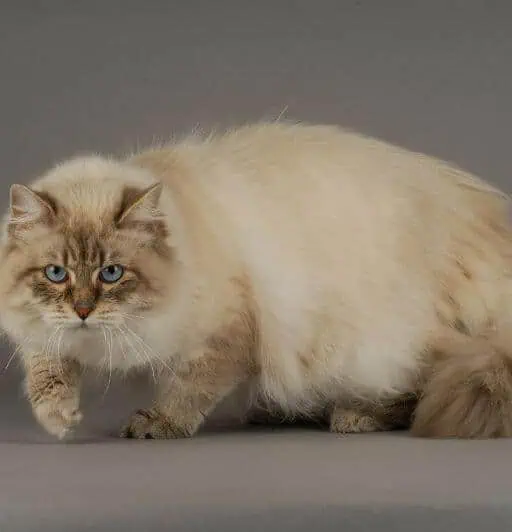
This breed is known for its triple coat, which helps it survive in the unforgiving climate of Siberia. The Siberian cat is a medium to medium-large, strong, and muscular cat. It looks like the successful mouser it is. The Siberian cat should be a well-proportioned cat with no extremes in type. A typical Siberian is 17-25 inches in length and weighs 15-20 pounds. The males are larger than females. The show standard allows for females’ smaller size.
Siberians should have a modified wedge shaped head with rounded contours. Compared to the other Forest Cats, where the Siberians are rounded, the Norwegians are triangular and the Maine Coons are square. They don’t have the straight profile of the Norwegian, Siberians should have a slightly rounded forehead, a gentle curving nose with a sweet expression. Their ears are medium to large in size, rounded at the tips, and set wide apart unlike the upright ears of the Maine Coon. Lynx tipping on the ear is allowed, and full ear furnishings are required.
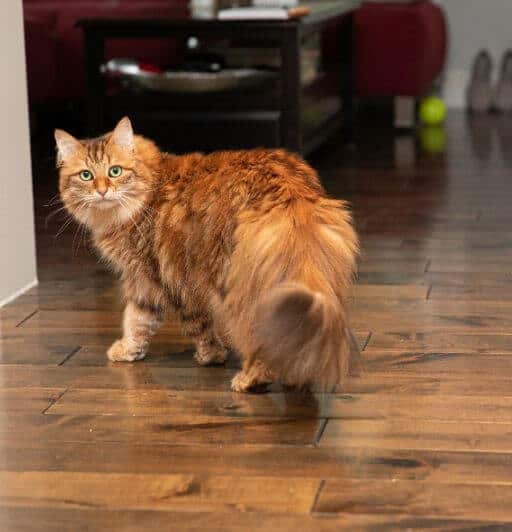
The Siberian cat has a triple coat that consists of a dense undercoat, a middle coat of slightly longer hair, and a topcoat of long, glossy hair. The coat is water-resistant and comes in most recognized colors and patterns with and without white; including tabby, solid, bicolor, and pointed. They should have a ruff around the neck, full fluffy britches, and a thick, bushy tail.
Personality, Traits, and Temperaments of the Siberian Cat
The Siberian cat is a friendly and outgoing breed with a delightful personality. Siberian cats are social butterflies and thrive in multiple pet households. They do really well when they have a lot of interaction with other pets and humans on a daily basis. They will be a great playmate for a dog or another cat, providing each other with daily entertainment.
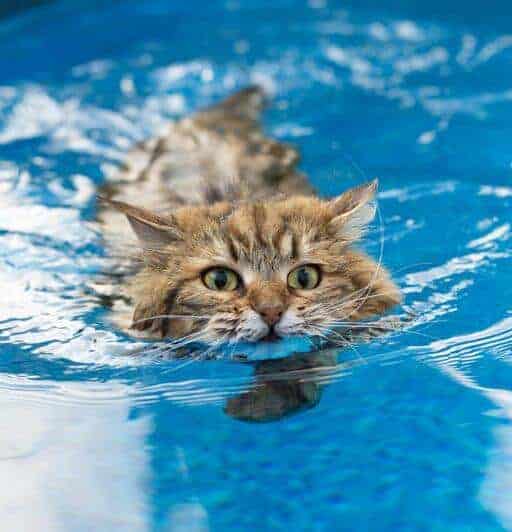
Intelligent, curious, and playful, the Siberian cat loves to give and receive affection. They are not shy and will greet their owners at the door, follow them around the house, and even play fetch. They love playing in water so it’s a good thing their coat is water resistant.
Siberians are also known for their loyalty and devotion to their owners. They are not a breed that enjoys being left alone for long periods of time, and they will often become depressed or anxious if they are not given enough attention. They are happiest when they are with their owners, cuddling on the couch, or playing games.
Overall, the Siberian cat is a delightful breed with a charming personality. They are social, friendly, and energetic, making them a great addition to any household.
Common Health Problems in Siberian Cats
Like the rest of the Forest Cats, Siberians are a slow maturing breed. They do not reach full growth until they are 5 years old. Siberian cats are generally healthy cats. However, like all cats, they are prone to certain health issues that owners should be aware of. Here are some of the most common health problems in Siberian cats:
Hypertrophic Cardiomyopathy (HCM)
Hypertrophic Cardiomyopathy (HCM) is a heart muscle disease that causes the heart wall to thicken, which can eventually lead to heart failure in cats. HCM is one of the most common health problems in Siberian cats as it is in Maine Coons and Norwegian Forest Cats among other breeds. It is a genetic disease that can be inherited from one or both parents, so it is important to check the cat’s family history before adopting. Breeders should be testing for HCM and not repeat any breeding that results in any kitten with HCM.
Poly-cystic Kidney Disease (PKD)
Another hereditary disease that’s fairly common for Siberian cats is Poly-cystic Kidney Disease (PKD). It is a genetic mutation that leads to the development of benign cysts in the cat’s kidneys and other organs. It is also a disease common to Persian cats. Breeders should be able to show you clear results of tests for PKD in their lines.
Hereditary Cancer in Siberian Cats
This is a form of cancer caused by an Oncogene (a gene that causes cancer) in the cat’s genotype. This particular type of cancer occurs in white Siberian cats, having descended from a particular pure white line of cats. The possibility of developing cancer is particularly strong if a white Siberian kitten results from two pure white parents. You don’t need to worry unduly If your furbaby is any other color.
Other Health Problems
Siberian cats may also develop other health problems common to any cat such as respiratory infections, urinary tract infections, and eye problems. Siberian cats are large cats, but they are also prone to obesity if they are not given enough exercise and a healthy diet. It is important to take your cat for regular check-ups and to seek veterinary care if you notice any signs of illness or discomfort.
While Siberian cats are generally healthy cats, they are prone to certain health issues that owners should be aware of. If you notice any signs of illness or discomfort in your Siberian cat, seek veterinary care immediately.
Lifespan of Siberian Cats
Siberian cats are known for their robust health and long lifespan. According to Siberian Cat World, the average lifespan of a Siberian cat is from 10 to 18 years, with some cats living as long as 20 years or more.
The lifespan of a Siberian cat can be influenced by various factors, including genetics, diet, exercise, and overall health. It is important to provide your Siberian cat with a balanced and nutritious diet, regular exercise, and proper veterinary care to ensure a long and healthy life.
Care and Grooming Needs of Siberian Cats
Siberian cats have a thick, water-resistant triple coat that requires regular grooming. They do shed twice a year, during which time they need more frequent grooming to remove the undercoat.
Here are some tips for taking care of and grooming your Siberian cat:
- Brush your Siberian cat’s coat at least once or twice a week will remove loose hair, prevent matting, and distribute natural oils throughout the coat.
- Keep their nails trimmed is important.
- They don’t need to be bathed frequently, unless they are show cats of course. But regular bathing with a quality cat shampoo will help remove loose fur and keep them as hypoallergenic as possible. Be sure you dry Kitty thoroughly. The breed’s triple coat makes them hard to get wet and washed, and also to get them dry.
- Clean their ears. Siberian cats have large, tufted ears that can collect dirt and wax. To prevent infections and keep their ears clean, use a cotton ball or pad moistened with a cat ear cleaning solution to gently wipe the inside of their ears.
- Brush their teeth, provide them with dental treats or toys and schedule regular dental checkups with your veterinarian.
Related Post: Grooming a Long Haired Cat
Do Siberian Cats Make Good Pets?
Siberian cats are known for their friendly, outgoing personalities, making them excellent pets for families. They get along well with children and other pets, including dogs. Siberian cats are also highly intelligent and have a playful nature that makes them fun to be around.
Siberian cats are also known for their loyalty and affection towards their owners. They love to cuddle and will follow their owners around the house, seeking attention and affection. This breed is not loud or very vocal.
Overall, Siberian cats make great pets for families looking for a friendly, playful, and affectionate companion. With their hypoallergenic fur, adaptability, and loyalty, they are a great choice for people of all ages.
Related Post: Hypoallergenic Cat Breeds
How Much Do Siberian Cats Cost?
Like most pedigreed cats, a show standard Siberian Forest Cat is expensive. Kittens will run you from $1,200 – $4,000 depending on the quality of the cat.
Conclusion
Siberian cats are delightful feline companions that are known for their friendly, outgoing, and affectionate personalities. They enjoy playing and are very energetic, making them ideal pets for families and individuals alike.
Overall, the Siberian cat is a wonderful pet that brings joy and companionship to its owners. With its friendly personality, hypoallergenic coat, and playful nature, it is no wonder that this breed has become so popular in recent years. Whether you are looking for a lovely show cat or a loyal companion, the Siberian cat is an excellent choice.