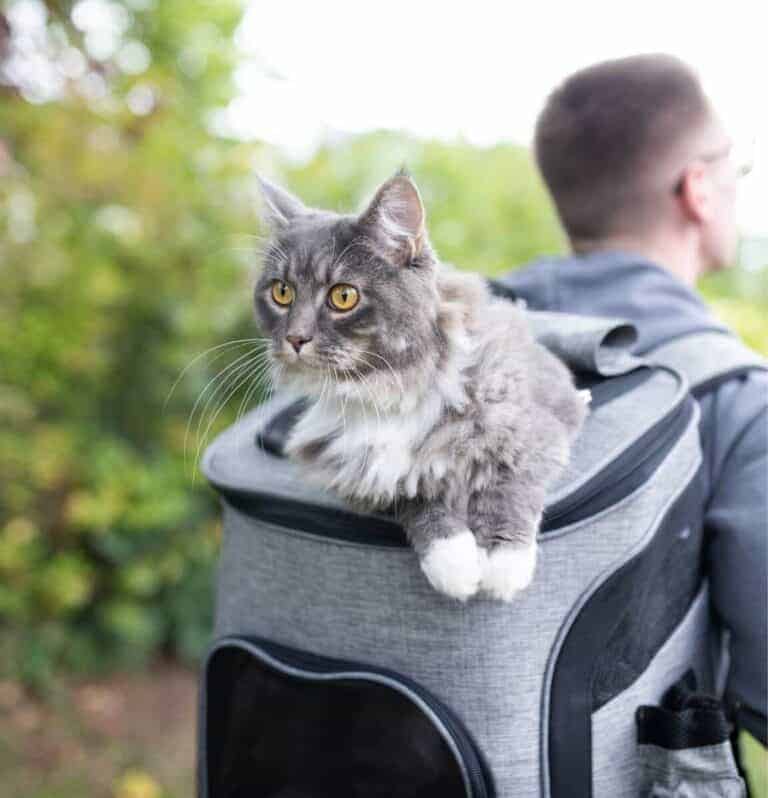

All Aboard:Traveling with a Cat on a Train
Traveling with pets can be stressful, especially when it comes to cats. Felines are known for their love of routine and dislike of change, making travel a daunting task for both the cat and their guardian. Air travel can put Kitty at risk due to changes in air quality, air circulation, temperature, cabin pressure, and other environmental issues that could be harmful to your cat’s health. Traveling overland is thus safer for pets, especially if your are traveling with a Persian, British Shorthair, Himalayan, or other brachycephalic breed. If you aren’t up for a road trip, traveling with a cat on a train is another option.
Rules vary depending on the country you are in and what rail operator you are using, so check the rules before you travel. It is important to research the train company’s pet policy before booking tickets. Some companies may not allow pets on board or have specific regulations regarding pet carriers.
Most major rail carriers in the US, Canada, and Europe accept cats with some restrictions. Local commuter rail services and public transit may or may not permit you to take Kitty along. Tourist trains can be fun new experience for your adventure cats. Our Betsy loves riding trains.
This post may contain affiliate links. Life and Cats is a Chewy affiliate and a member of the Amazon Associates program and as such we earn a small commission when you shop through our our links and banners. It doesn’t change the amount you pay. You can read our full disclosure policy here.
Contents
Tips for Stress-Free Cat Travel on Trains
Consider Kitty’s personality before you take to the rails. Some cats struggle with new situations, which can make train travel a bit challenging for them. However, with careful planning and consideration, it is possible to ensure a stress-free travel experience for you and your feline companion.
Try to travel at off-peak times to avoid noise and crowds as much as possible.
Many of the tips for keeping Kitty calm in the car can also apply to keeping Kitty less stressed in her carrier on the train. Teach her to love her carrier as her safe space. Line it with her favorite blanket or a t-shirt that you have worn and slept in. Give her her favorite toy. Spray the blanket or the carrier with Feliway.
Related Post: How to Keep Kitty Calm in the Car
If Kitty is prone to car sickness, don’t feed her before you board your train. If not you can offer her some calming treats. Rescue Remedy can also take the edge off her anxiety. Ask your vet for a medical solution for a seriously anxious or car sick cat. You don’t want Kitty to get sick – or worse yet have loose bowels – mid journey.
Just as you would if you were taking Kitty on a plane, layer her bedding with pee pads. She will need to stay in her carrier throughout her journey unless you have a layover.

Choosing the Right Carrier
When it comes to stress-free train travel with your cat, choosing the right carrier is crucial. Here are some factors to consider when selecting a carrier for your furry friend.
Size and Comfort
First and foremost, the carrier should be the appropriate size for your cat. It should be spacious enough for your cat to stand up, turn around, and lie down comfortably. Additionally, the carrier should be well-ventilated and provide enough natural light for your cat to feel at ease. Make sure Kitty and her carrier are within limits specified by the rail carrier. It has to be leak-proof, well ventilated, and fit under the seat in front of you. An expandable, soft-side, carrier will work on most trains.
Safety Features
The carrier should also have safety features in place to ensure your cat’s well-being during travel. Look for carriers with secure latches and locks to prevent accidental escape. Additionally, carriers with sturdy construction and non-toxic materials are ideal.
Ease of Transport
Lastly, consider the carrier’s ease of transport. Look for carriers with comfortable handles or straps that won’t dig into your skin. Additionally, carriers with wheels or the ability to attach to a rolling cart can make navigating the train station much easier. Kitty and her carrier will count as one piece of luggage.
Related Post: Teach Your Cat to Love Her Carrier
Health Considerations for Traveling with a Cat on a Train
Before traveling with your cat on a train, it’s important to ensure they are up-to-date on all necessary vaccinations and have a clean bill of health from their veterinarian. If your cat has any underlying health conditions, it’s important to discuss these with your vet before embarking on any travel. Cats must be at least 8 weeks old, in good health and well-behaved to ride the train with you.
Required Documentation
When traveling with a cat on a train, it’s important to have all necessary documentation on hand. This may include proof of vaccination, health certificates, and any other required paperwork. Be sure to check with the specific rail company you’ll be traveling with to ensure you have all necessary documentation before boarding the train.
Regulations for Traveling with a Cat on a Train
When traveling with a cat on a train, it’s important to be aware of the pet policies of the rail company you’ll be riding with. Here are some key things to keep in mind when navigating train travel regulations with your furry friend.
Pet Policies by Rail Companies
Different rail companies have different rules and regulations when it comes to traveling with pets. Some may allow cats to ride in the passenger car with their guardians, while others may require them to be kept in cargo. Most specify that Kitty must be in her carrier at all times. It’s important to check with the specific rail company you’ll be traveling with to ensure you’re following their policies.
Amtrak
Amtrak allows cats up to 20 pounds, including the weight of her carrier, to travel on select trains for a fee of $25. Cats must be kept in a carrier at all times on the train and in the station. Cats should be odorless, harmless, not disruptive and require no attention during travel.
You can be asked to get off the train if Kitty violates those rules. (I have to say that, despite the rules that Kitty must stay in her carrier under the seat and not require attention, I have seen a cat riding the Downeaster in her human’s lap looking out the window and peeking through the seats. It isn’t a risk I’d take if I had to get somewhere, but there you go.)
Cats are not allowed in food service cars, sleeper cars, quiet cars, and business class cars. Some trains have specified cars for people traveling with pets. If not, you can sit in any coach car, but if someone else objects you may have to move. You are limited to one pet per traveler, and there can’t be more than 5 on any train. Trips can’t take more than 7 hours, including any layovers, before you need to take a break.
It’s important to note that Amtrak only allows pets on certain routes and trains, so be sure to check their website for availability. Pets cannot be booked with multi-ride tickets or with unaccompanied minors. Booking your journey can get complicated but the travel itself won’t be.

ViaRail Canada
ViaRail Canada allows cats and dogs up to 22 pounds to travel on select trains for a fee of $50. Cats must be kept in a carrier at all times and are not allowed in the dining car. It’s important to note that ViaRail only allows pets on certain routes and trains, so be sure to check their website for availability. Unlike Amtrak, ViaRail does allow Kitty to travel with you in business class and sleeper cars.
Amtrak doesn’t accept pets as cargo; ViaRail does.
Europe
Train travel in Europe is more common than in North America and their approach to pet-friendly travel is more tolerant too.
Cats are allowed to travel with you on most European trains for free, provided they are in a carrier. Kitty must be microchipped and have had a rabies shot after the microchipping. They must have had their shots at least 21 days prior to travel.
You will need to complete the required paperwork to get your cat into the EU. After you get there, get Kitty an EU pet passport at any approved vet. As long as his shots remain current, Kitty can travel around the EU just like you. Do check with the country you are visiting and the rail line you will be traveling on for any requirements regarding size, weight, carrier specifics, and limitations or fees.
On the Day of Travel
Arriving at the Station
On the day of travel, it is important to arrive at the station early to avoid feeling rushed and stressed. This will also give you enough time to familiarize your cat with the surroundings and to let them use the litter box before boarding the train. Make sure to bring a comfortable carrier for your cat, as well as their favorite toys and treats to keep them calm and entertained.
Boarding the Train
When boarding the train, make sure to inform the staff that you have a cat with you. They may have specific instructions or guidelines for traveling with pets. Once on board, place your cat’s carrier under the seat in front of you, and make sure it is secured and won’t move during the journey.
Commuter Rail/Subways
Check with the service in your area to determine if you need to get Kitty a ticket. Or if pet access is limited. For example, in Boston we can take Kitty on the T but not during rush hours. She has to stay in her carrier and on our laps. Same in Washington, DC. Keep in mind the subway is NOT the same as a regular train. Even my most chill cat was terrified.
Summary
Traveling with a cat on a train can be a stress-free, or at least a stress-less, experience if the right preparations are made. By doing your research and following the tips outlined in this article, cat guardians can ensure that their furry friends are comfortable and safe throughout the journey.
Overall, with proper planning and preparation, traveling with a cat on a train can be a enjoyable and stress-free experience for both Kitty and her human.