Cosequin for Arthritis in Cats
Last Updated on January 4, 2026 by Holly Anne Dustin
If your feline friend is less active, irritable, reluctant to jump in to her favorite resting spaces, missing the litter box, or limping it is likely that she developed arthritis. Arthritis affects large numbers of cats and there are few long-term, effective treatments. Cosequin is the most recommended supplement on the market. It is safe and will help kitties enjoy their later years.
Ninety percent of cats over 12 years old have arthritis. One third of cats over six show signs of impairment. But it can affect cats of any age. Causes are age, trauma, and hip dysplasia. Obesity increases the likelihood of your cat suffering from arthritis pain. Declawed cats are more likely to develop arthritis because it forces them to walk with an unnatural gait.
Contents
- 1 The Silent Epidemic
- 2 How is Arthritis in Cats Diagnosed?
- 3 Treatments for Arthritis Pain in Cats
- 4 Food as Medicine
- 5 Alternative Therapies for Cats with Arthritis
- 6 What is the Best Joint Supplement for Cats
- 7 How Does Cosequin Work for Arthritis in Cats?
- 8 When Should I Start Supplements?
- 9 When Should I Not Use Cosequin for My Cat?
- 10 How Long Does Cosequin Take to Work?
- 11 What are the Side Effects of Cosequin?
- 12 Safety of Long-Term Cosequin Use for Arthritis in Cats
- 13 Summary:
- 14 Personal Review:
- 15 References:
The Silent Epidemic
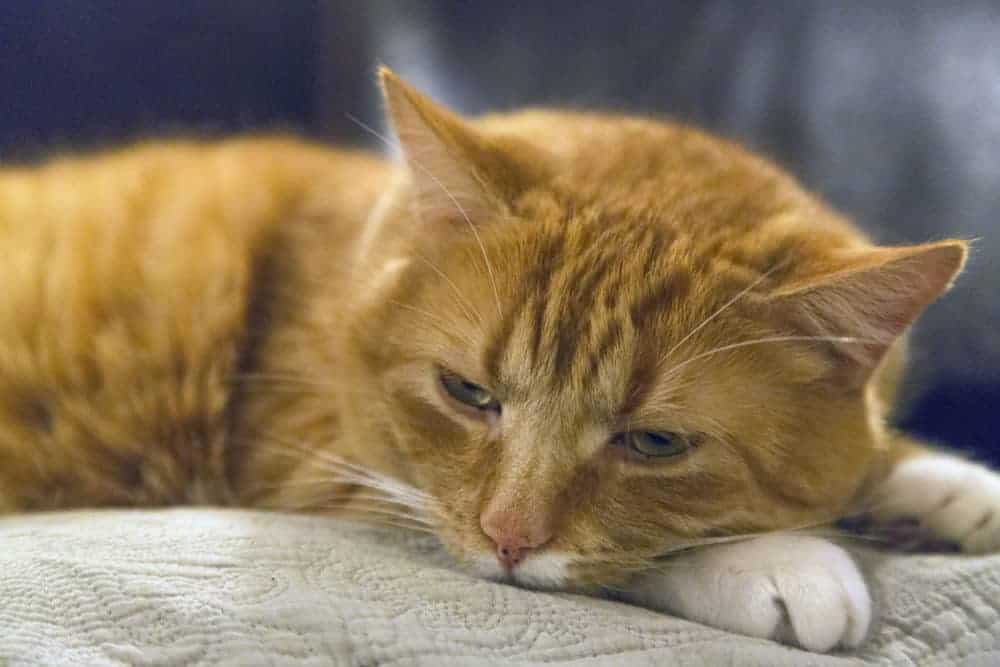
Vets call arthritis in cats the silent epidemic because many pet parents are not aware their cat is in pain. Unlike dogs who limp, cats will suffer in silence, sleeping more and moving around less. They give away their discomfort in more subtle ways, such as avoiding grooming and missing the litter box. Research into treatment of arthritis in cats lags behind that done on the condition in dogs.
Arthritis is in the inflammation and irritation of the joint. The cartilage in the joints will wear away as the disease progresses. That bone on bone result is very painful for your cat, just like it is for us humans. It can affect shoulders, elbows, wrists, knees, ankles, hips, and the neck and back.
Hip dysplasia afflicts about twenty percent of purebred cats. It is more common in females and the Maine Coon and Persian breeds.
How is Arthritis in Cats Diagnosed?
It is difficult to diagnose arthritis in cats. X-rays do not show the joint deterioration. Unlike in dogs, x-rays are inconclusive in cats. That is another reason it is important to recognize even subtle differences in your cat’s behavior. Rather than chalking up her lethargy to “old age”, consider whether she might suffer from arthritis. Proper treatment can put the spring back in his step. A diagnostic exam will involve a physical, likely x-rays, and other baseline tests. But there is no specific marker for arthritis, it is an observational condition.
A new tool I learned about is the Feline Musculoskeletal Pain Index (FMPI), a survey tool to assess a cat‘s pain, physical function, and quality of life. Filling out a baseline survey can help you evaluate your cat‘s condition. Repeating the survey helps you and your vet consider the effectiveness of a treatment plan. Using the survey can help cat guardians become more aware of what pain in cats looks like.
Life&Cats received a free product from Chewy.com in exchange for our honest opinions of the product. We will only share products we believe might be relevant to our cat community with our honest reviews of the products or services. This post may contain affiliate links. Life&Cats is a member of Amazon Affiliates program. We make a commission when you purchase through our links. It doesn’t affect the price you pay.
Treatments for Arthritis Pain in Cats
Unfortunately, there are not a lot of medical options available to cats. Never treat your cat with “people drugs” unless instructed by your vet. Don’t use over-the-counter NSAIDS. Opiates, corticosteroids, gabapentin and buprenorphine are the usual medications used to treat cats with arthritis.
Food as Medicine
There are other ways to provide pain relief for your kitty. Feeding an “arthritis diet” high in antioxidants, Omega-3 essential fatty acids and the glucosamine and chondroitin provided by a supplement like Cosequin or Sea Flex. Fresh meat, green lipped mussels, turmeric, licorice root, alfalfa, and bone broth with gelatin included in a balanced diet can help with inflammation and supporting the health of your cat‘s cartilage.
Alternative Therapies for Cats with Arthritis
Massage, acupuncture, and cold laser therapies have been helpful to relieve pain in cats. Targeted Pulsed Electromagnetic Field Therapy is another advanced alternative therapy proven to relieve arthritis pain for cats and improve their body function. You should always consult your veterinarian to form a plan that works for your cat.
Environmental adjustments such as raising food and water dishes, lowering the entrance to the litter box, adding stairs to help your kitty get back into her favorite spots can all improve her quality of life.
What is the Best Joint Supplement for Cats

The most recommended supplement is glucosamine-chondroitin. Cosequin is the #1 veterinary recommended supplement, manufactured with the highest quality ingredients, scientifically proven to support your kitty’s joint health.
A study published in the Journal of the American Nutraceutical Association showed that over 80% of glucosamine/chondroitin sulfate brands don’t contain what their labels say they do. Nutramax manufactures Cosequin under strict quality guidelines and meets their label guarantees.
How Does Cosequin Work for Arthritis in Cats?
Clinical veterinary studies show that glucosamine hydrochloride supplies a key nutrient to maintain the structure of cartilage. The chondroitin sulfate blocks the cartiledge from the enzymes that destroy it as Kitty ages. Manganese ascorbate helps to optimize production of cartilage.
They add Boswellia Serrata for its anti-inflammatory property. A regular dose of Cosequin once or twice daily as recommended by your veterinarian can protect your kitty from future pain from arthritis.
The manufacturer also markets Cosequin for cats with inflammatory cystitis (FIC). But a 2011 study showed it wasn’t effective. (Personal note, I have used Cosequin along with other supplements for my FIC plagued cat when he is symptomatic, or going through a stressful time, and he benefits with reduced symptoms.)
When Should I Start Supplements?
When you notice Kitty showing signs of arthritis, the earlier you start the sooner she will see improved function. Feeding a balanced, species appropriate “arthritis diet” from a younger age will help protect her joints from damage.
When Should I Not Use Cosequin for My Cat?
If your kitty already has significantly reduced function, he may need more than supplements. We should never consider Cosequin in place of surgical correction for example. Cosequin is a preventative supplement aimed at maintaining healthy joints.
A cat with an allergy to any of the ingredients should not use this product.
How Long Does Cosequin Take to Work?
Every cat is different, but you see results in 4-6 weeks. Some cats react much more quickly. Results can be gradual or dramatic. My Lucky saw dramatic results within 2 weeks. It takes longer to see results with diet and supplements than with prescription medication.
What are the Side Effects of Cosequin?
Dosing is 1-2 capsules a day. There generally aren’t any side effects. Most mentioned was digestive distress and diarrhea. If you see Kitty is having a problem, you can reduce the dosage and work up. The capsules are easy-to-use sprinkle caps so adjusting the dose is easy.
Some studies in humans say glucosamine can increase bleeding but a study in cats did not show the same. It doesn’t hurt to tell your vet that your cat is taking Cosequin if she needs surgery.
Safety of Long-Term Cosequin Use for Arthritis in Cats
A safety study in cats showed long-term use of Cosequin had no effect on bloodwork results. Cosequin is safe for continued use in cats.
Summary:
- Estimates say 3 of 10 cats suffer from arthritis pain but only 7% are getting treatment for their pain.
- It is difficult to diagnose and treat arthritis pain in cats.
- Alternative treatments such as massage, acupuncture, cold laser therapy and pulsed electromagnetic field therapy can help.
- An “Arthritis Diet” and gentle exercise can prevent obesity and protect joints.
- Cosequin is the number one joint health supplement on the market for cats. It is easy to dose, safe and effective for long-term use.
Personal Review:
I have used Cosequin with several older cats. My most dramatic results was Lucky. He was a 13-year-old blue long-hair. He came with a limp and looked his age. Getting him on a good diet and supplementing with Cosequin took years off his age. I now add Cosequin to dinner for all my cats over 5 hoping they will be mobile and pain free for years.
Thank you Chewy for allowing me to review a product that has made a great difference in my cats’ lives. If you haven’t used Chewy’s services before, check them out. You can save 30% off your first autoship order and you’ll never miss out on having your Kitty’s Cosequin order show up when he needs it. If you want to learn more about shopping with Chewy, I have written a post about my experiences here.
References:
https://www.cosequin.com/cats
Study says glucosamine doesn’t help with FIC
Study on Boswellia as anti-inflammatory
Arthritis diet for cats
Food and Supplements for Arthritis in Cats
Feline Arthritis
Effective Treatments for Arthritis for Cats
What is Cosequin for Cats