Bi-Color Cats or Why Does My Cat Have White Paws?
Last Updated on April 17, 2024 by Holly Anne Dustin
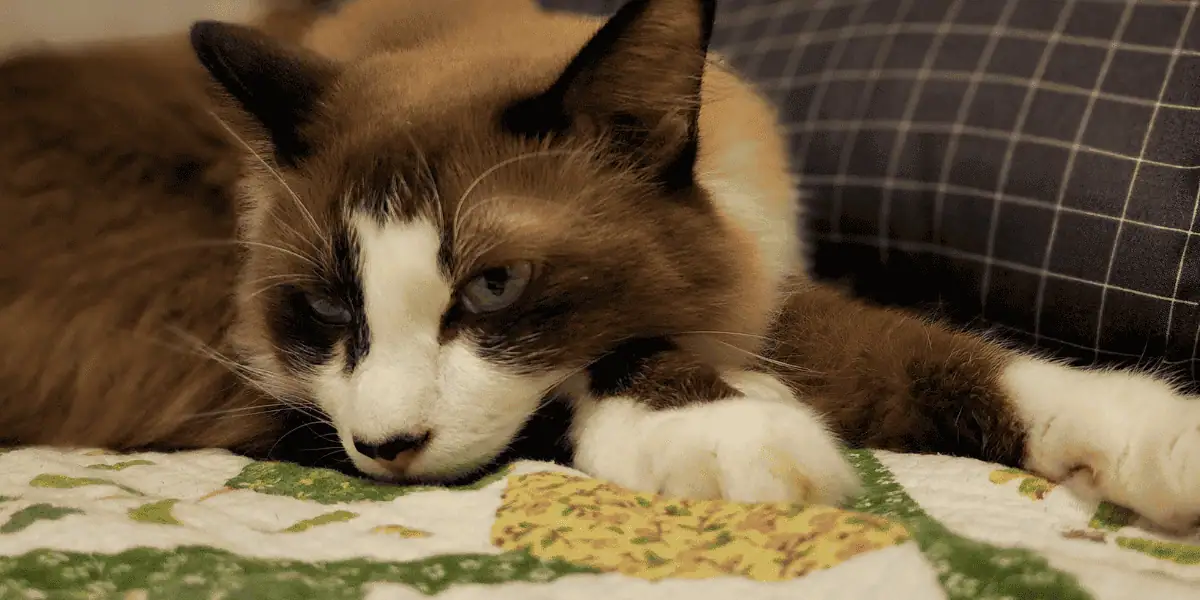
Cats are fascinating creatures beloved by many. They come in a variety of colors and patterns, each with their own unique characteristics. One common question that cat owners have is why their cat has white paws. Many different breeds and random-bred cats sport these mittens and socks and are classified as bi-color cats.
Certain breeds of cats, such as the Birman or the Ragdoll, have white paws by design. In these breeds, white paws are a desirable trait. Mittens are a defining characteristic of the breed. However, even in cats not specifically bred for white paws, genetics still play a role in their appearance.

Contents
Bi-Color Cats
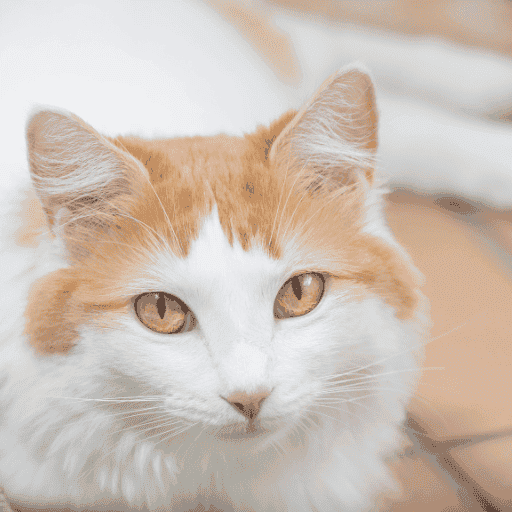
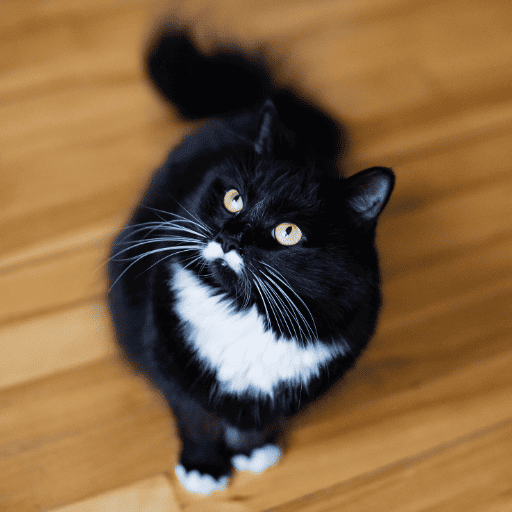
A mitted cat is one of several patterns that appear in bi-colored, also known as piebald, cats. A cat with a coat consisting of one primary color combined with any amount of white is a bi-color cat. The patterns you see in bi-color cats can be classified as low, medium, and high-grade white depending on how much of the cat’s coat is white. The resulting patterns vary widely from the mitted cats, and the classic tuxedo pattern to the following:
- A button (white spot on the belly) or locket (white spot on the chest)
- True bi-color with an equal amount of white and color.
- Mask and mantle: The top side of the cat is colored, the underside is white. Kitty appears to be wearing a mask over the top of his head and a cape down his back. The legs, underside, shoulders, and most of his face are white.
- Cap and saddle: A higher white version of the mask and mantle. The color forms a cap on the top of Kitty’s head and the coloring forms a “saddle” on his lower back. The cat’s tail may be white or colored.
- Harlequin: Otherwise known as a cow cat, a harlequin is a predominantly white cat with random spots of their color on the body and legs. They usually have a colored tail as well.
- Van: Kitty’s color is limited to the head and the tail only; everywhere else is white.
Genetic Explanation of White Paws and Bi-Color Patterns
Pigmentation Genes
The genes that control pigmentation determines the color of a cat’s fur. These genes determine the amount and type of melanin produced in the fur. Melanin is a pigment that gives color to the skin, hair, and eyes. There are two types of melanin: eumelanin and pheomelanin. Eumelanin is responsible for black, brown, and gray colors, while pheomelanin is responsible for red and orange colors.
White Masking Gene
White masking genes contribute to the distinctive coat patterns of bicolor cats by “erasing,” or masking, the normal color of the cat wherever white fur is present. Lack of pigmentation causes the white color on Kitty’s fur. This lack is due to a mutation in the genes that control the production of melanin. When these genes mutate, they do not produce enough melanin in the fur, resulting in white mittens on the paws and the various piebald patterns.
Related Post: Learn more about the genetics of white cats
Piebald or White Spotting Gene
The piebald spotting pattern is a genetic trait that causes white patches on a cat’s fur. This pattern is caused by the KIT gene, which controls the migration and survival of melanocytes, the cells that produce melanin. When this gene mutates it causes white fur, including on the paws.
The piebald spotting pattern can vary in size and location on the body, depending on the severity of the mutation. In some cases, the mutation may only affect a small area of the fur, while in others, it may cover the entire body.
Selective Breeding
Selective breeding is the process of choosing certain desirable traits in a species and breeding individuals that possess these traits to produce offspring with the same characteristics. This process has been used for centuries to produce cats with specific coat colors and patterns, including those with white paws.
In the case of white paws, breeders may select cats with this trait and breed them with other cats that also have white paws. Over time, this can result in a higher likelihood of offspring with white paws.
It is not possible to control the amount of white spotting you get on a cat. It seems though that cats who inherit the white spotting genes from both parents are more likely to have a high white coat with more than 50% of their fur being white. Those who inherit it from only one parent will have a low white coat with a locket, mitts, or a tuxedo coat.
Related: Want to Learn More About Cat Breeds? Click Here for Our Breed Directory
Summary
The genetics of bi-color cats is a fascinating field. There is still much to learn about these beautiful felines, from understanding how bi-color patterns are inherited to discovering the various genetic mutations that lead to unique markings. So next time you see a bi-color cat, take a moment to appreciate the complexity and wonder of their genetic makeup.