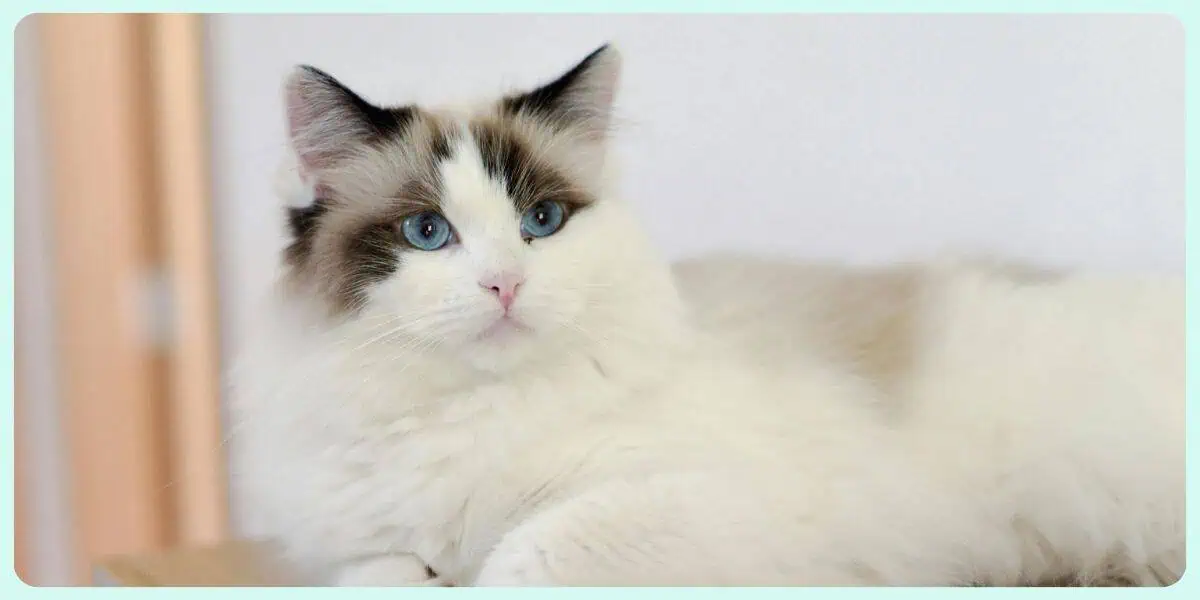
Is That a Ragdoll? Easy Ways to Tell the Differences Between Ragdolls and Look-alike Breeds
Contents
Summary
Ragdolls get mislabeled because the “cute cues” are shared, blue eyes, points, fluff, size, and a sweet face. Birmans and Ragamuffins are especially common mix-ups, and Maine Coons, Himalayans, Siberians, and Siamese types can get pulled into the confusion by online ads and quick shelter notes.
If you remember just five things, make them body shape, coat feel, face type, markings, and temperament over time. Use the checklist, compare the look-alikes, then ask for the cat's papers if breed really matters to you. I
I’m sure you’ve seen a picture of a fluffy, blue-eyed, colorpoint cat online and asked “Is that a Ragdoll”? You’re not alone. Maybe you’ve even gotten a cat at a shelter and been told it is a Ragdoll. My Johnny Blaze is a pedigreed Ragdoll and we go to a lot of cat shows. He gets misidentified a lot by visitors. Ragdoll cats get confused with similar breeds all the time. The color, the size, and the coat are the usual reasons for the mix-ups.
This guide breaks down the most common Ragdoll look-alikes using simple, real-life clues you can check the next time you want to ask “Is that a Ragdoll?”: Body shape, coat feel, face, markings, and personality. You’ll also see where people get tricked, because some traits (like blue eyes and dark “points”) show up in multiple breeds.
One important reality check: a look alone can’t prove a pedigree. A cat can look Ragdoll-ish and still be a mix. The only true proof is registration papers from a reputable, preservation breeder. Even cat DNA tests have limits. They can tell you color, pattern, and health conditions but are far from reliable when it comes to matching a cat to a specific modern breed.
Quick Ragdoll Checklist: The Traits That Matter Most
Before you compare breeds, it helps to anchor on what makes a Ragdoll a Ragdoll. Breed standards vary by registry, but the core “feel” is consistent. The breed introduction at CFA, or TICA Ragdoll breed standard (PDF) are useful references if you want the official language, but you don’t need show-judge eyes to do a smart ID check.
Here’s a quick checklist you can use in a shelter meet-and-greet or when someone sends you photos.
- Size and body shape: Large cat, long rectangular body, solid heavy boning. The torso often looks longer than you expect. They should feel butt-heavy in balance, but not fat.
- Head and eyes: Soft wedge head shape, gentle expression, blue oval eyes (true Ragdolls are blue-eyed in the traditional pointed standard.)
- Coat feel: Semi-long, plush, and soft like an angora rabbit. It’s not wiry, and it should feel cool and silky not like a thick, wooly “cotton ball.”
- Pattern: Colorpoint base with common white patterns like colorpoint, mitted, or bicolor (white areas vary by pattern).
- Temperament: Calm, people-focused, often relaxes when held, and may “go limp” more than most cats.
Keep the goal realistic. This checklist helps you make an educated guess, not a guarantee. Mixed-breed cats can match several of these traits at once.
Colorpoint Basics: Why Blue Eyes and Dark Points Fool People
Colorpoint is a temperature-linked coat pattern. The cooler parts of the body grow darker pigment; so the face, ears, legs, and tail darken first. Kittens are born pale and develop stronger points over time.
Ragdolls are accepted in the traditional, classic point colors like seal, blue, chocolate, and lilac (with more variations depending on registry and line). They’re also associated with three pattern styles many people recognize in photos:
- Colorpoint: No white on the paws or face.
- Mitted: White “mittens” on the paws, with a white chin and belly stripe.
- Bicolor: More white overall, with a white inverted V on the face.
The catch is that colorpoint is not rare in the cat world. Siamese-type cats, Birmans, Himalayans, Snowshoes, and some Siberians can show colorpoint too. Blue eyes plus points is a clue, but it’s not the finish line.
Temperament Clue: What “Floppy” Really Looks Like in Everyday Life
People talk about the Ragdoll “flop” like it’s a magic trick. In real life, it’s more subtle and more consistent over time. A Ragdoll-leaning cat often acts like a calm toddler: present, curious, and attached to your routine.
Common day-to-day signs include:
- Following you from room to room without acting frantic.
- Wanting to be held longer than most cats, and relaxing into your arms.
- Staying calmer around kids and normal household noise.
- Recovering quickly after a surprise sound, instead of bolting.
One caution: don’t judge on a single moment. A cat in a shelter may freeze from stress, and a young cat may act wilder than the breed stereotype. Socialization, age, and health all shape behavior. Use temperament as supporting evidence, not the only evidence when asking is that a Ragdoll?
Related Post: Learn more about the Ragdoll cat breed
Most Likely Ragdoll Mix-Up Look-Alikes
Birmans, Cherubims, and Ragamuffins come up again and again as frequent “is that a Ragdoll?” suspects. That tracks with how similar they can look in casual photos. Even as a Ragdoll guardian, I can confuse a Birman cat and a young, mitted Ragdoll when I’m walking around the show hall.
Here’s a fast way to frame the confusion. Think “quick tells,” the single feature that often gives the answer away.
| Look-alike breed | Fastest tell | Why people confuse it with Ragdolls |
|---|---|---|
| Birman | Clean white gloves and back-leg “laces” | Blue eyes, points, colors, and soft expression |
| Ragamuffin | Not restricted to pointed pattern, | Big, cuddly, long-haired body type and relaxed, gentle temperament. |
| Cherubim | Many eye colors and non-point patterns accepted | Same build and temperament |
| Himalayan | Flatter face, heavier coat | The Himalayan is the colorpoint version of the Persian. Both the Himalayan and the Ragdoll are fluffy, pointed cats. |
| Maine Coon | Shaggy coat and tufted ears | Large size and friendly reputation |
| Siamese styles | Long tubular body; short, pointed coat and blue eyes. | Blue eyes, classic pointed patterns. Snowshoe has a similar white patterning. |
Ragdoll vs. Cherubim
This one confuses even serious cat lovers, because it’s not a simple “two separate breeds that look alike.” In TICA, the Ragdoll and Cherubim sit in the same breed group division. The Cherubim is essentially a Ragdoll with a different paint job. The Cherubim expands accepted colors while keeping the same general look and the same relaxed, affectionate vibe people chase when they want a “floppy” cat.
The easiest everyday difference is this: a traditional Ragdoll is a blue-eyed, pointed cat. A Cherubim is accepted in minks, sepias, and solid colors, and may have green, aqua or golden eye colors. If you meet a cat that looks very Ragdoll in body and personality but has green or gold eyes, that mismatch is a strong hint you’re looking at a Cherubim or a mixed breed cat with a strong Cherubim/Ragdoll influence.
For the clearest explanation straight from a registry, see TICA’s Cherubim breed profile.
Ragdoll vs. Ragamuffin
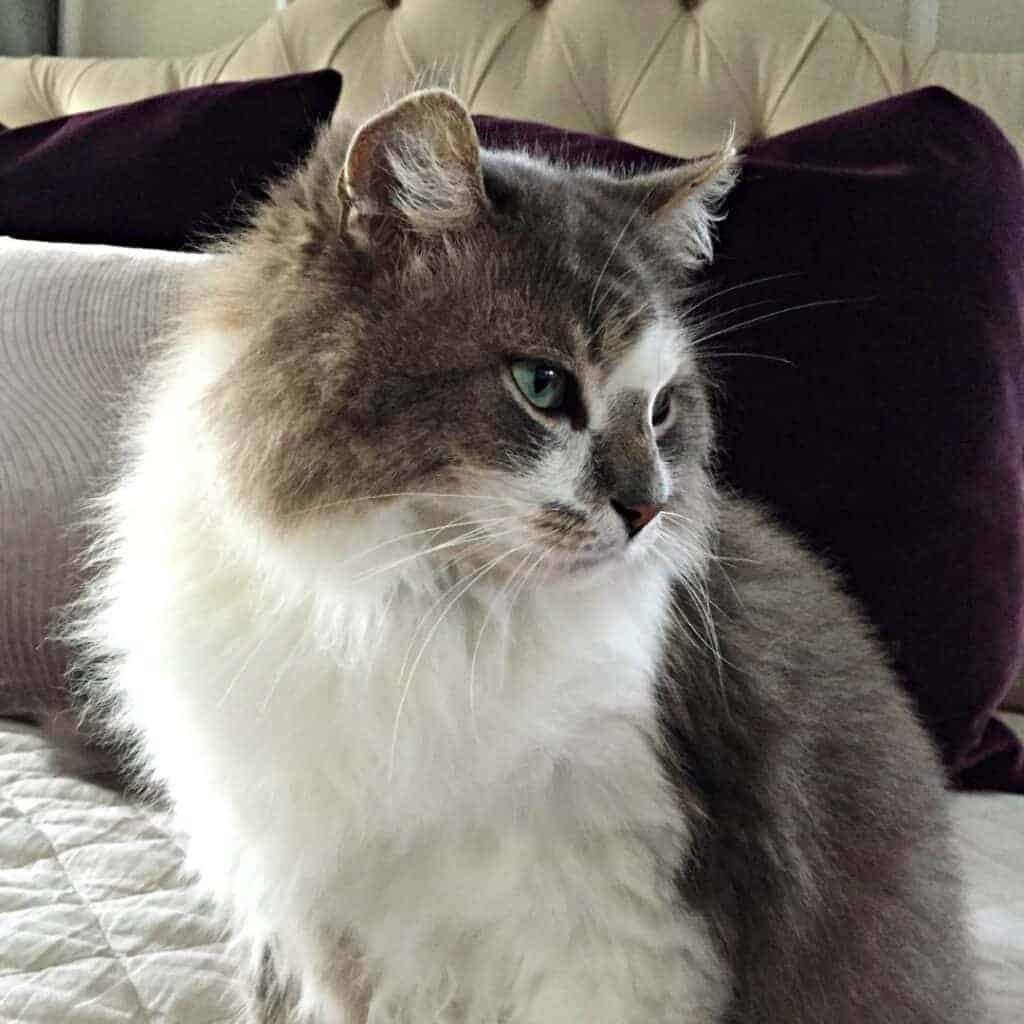
Ragdolls and Ragamuffins share a “big teddy bear” reputation, so it’s no surprise people mix them up. The quick shortcut many guardians use is pattern: Ragamuffins aren’t defined by the pointed look the way Ragdolls are.
Ragamuffins can come in a wide range of colors and patterns, including solids, tabbies, tortoiseshells, and more. Many also have eye colors that wouldn’t fit a traditional Ragdoll description. Their faces often read rounder and sweeter, while Ragdolls tend to have a softer wedge shape and a more “open” look.
If you want a practical overview of Ragamuffin traits (size, coat, temperament), Cats.com’s Ragamuffin breed guide lays out the basics in owner-friendly language.
The big takeaway: if a long-haired “Ragdoll” has no point pattern at all, odds are higher it’s a Ragamuffin, a mix, or another long-haired domestic cat, not a standard Ragdoll.
Related Post: Learn more about the Ragamuffin cat breed

Birman vs Ragdoll
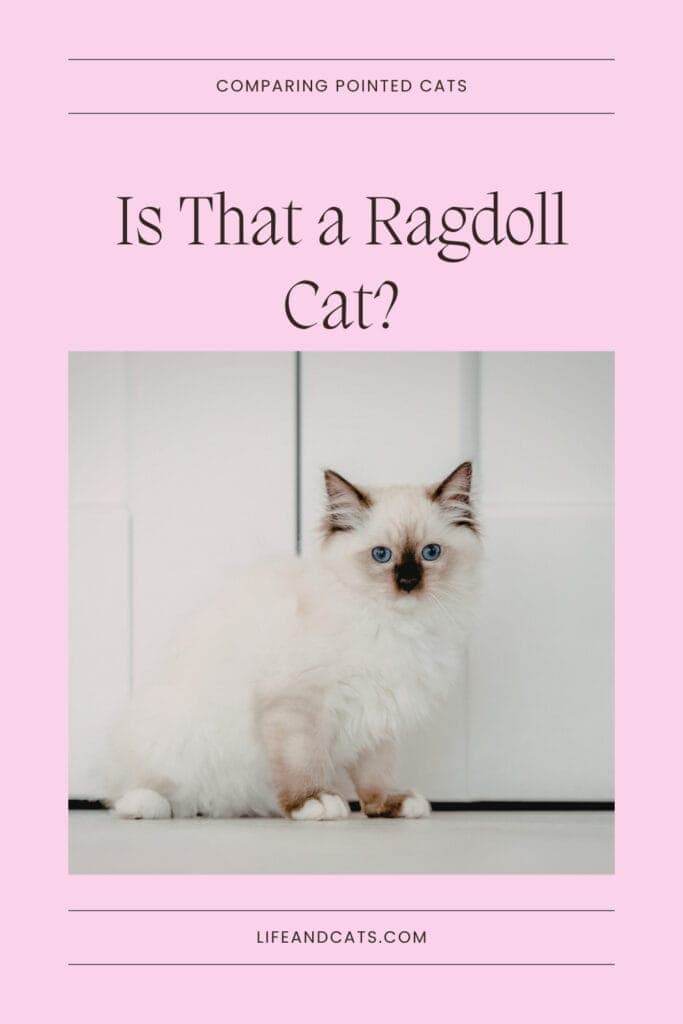
Birmans are one of the most common Ragdoll mix-ups, because both can be blue-eyed colorpoints with medium-to-long coats. If you only see a headshot, it’s easy to get it wrong.
The fastest visual tell is the Birman’s neat white gloves on the front paws, plus the back-leg “laces,” which ideally form an inverted V shape. Their coat is often silky with less undercoat than you’d expect. A mitted Ragdoll is a virtual twin of a Birman. The size is the biggest give away.
Ragdolls are the largest domestic breed behind the Maine Coon. The biggest point value in the Ragdoll standard is in the boning. Ragdolls are longer through the body with heavier boning. Their coat tends to feel plush rather than silky. The eye-shape is different. Ragdolls have larger, oval eyes while the Birman’s eyes are medium, rounder eyes.
And while both breeds can be affectionate, many people notice Birmans feel a bit more “upright” and alert in arms, while Ragdolls are more likely to relax fully. When I carry Johnny it’s like carrying a sack of jelly.
If you want a visual walk-through of the glove details and body differences, The Little Carnivore’s Birman vs Ragdoll breakdown explains the common tells without pretending looks can prove paperwork.
A useful tip: perfectly symmetrical gloves strongly suggest Birman. But messy gloves, mismatched paws, or no gloves doesn’t automatically equal Ragdoll. It can also point to a mixed domestic longhair.
Related Post: Meet the Birman Cat Breed Profile: From Sacred Temple Cat to Show Hall Star
Other Cats That Get Mixed-Up With Ragdolls
Not every “Ragdoll” label comes from a close match. Sometimes it’s just shorthand for “big, fluffy, friendly cat.” That’s how breeds like Himalayan, Siberian, and Maine Coon end up in the same conversation, even when the differences are clear in person.
Use this section like a reality check. If your cat matches one of these profiles better, you’ll save yourself months of trying to answer the question ‘is that a ragdoll?’

Himalayan vs Ragdoll
Like Cherubims and Ragdolls, Himalayans are in the same breed groups as Persians. “Himi’s” are colorpoint Persians. For in the uninitiated, the colorpoint pattern causes the confusion. The strongest tell is the classic Persian “smooshy” face. Many Himalayans have a shorter nose and a rounder head, with a more “doll-like” flatness compared to a Ragdoll’s softer, less extreme profile.
Coat is another giveaway. Himalayan and Persian coats are longer, very dense and high-maintenance, with more daily grooming needs. Tear staining can also be more noticeable in flatter-faced lines.
Body shape helps too. Ragdolls are usually longer and more rectangular. Himalayans often look “cobby”, square, stockier and more compact, like a plush pillow with legs.
Related Post: Learn more about Persian cats
Siberian vs Ragdoll
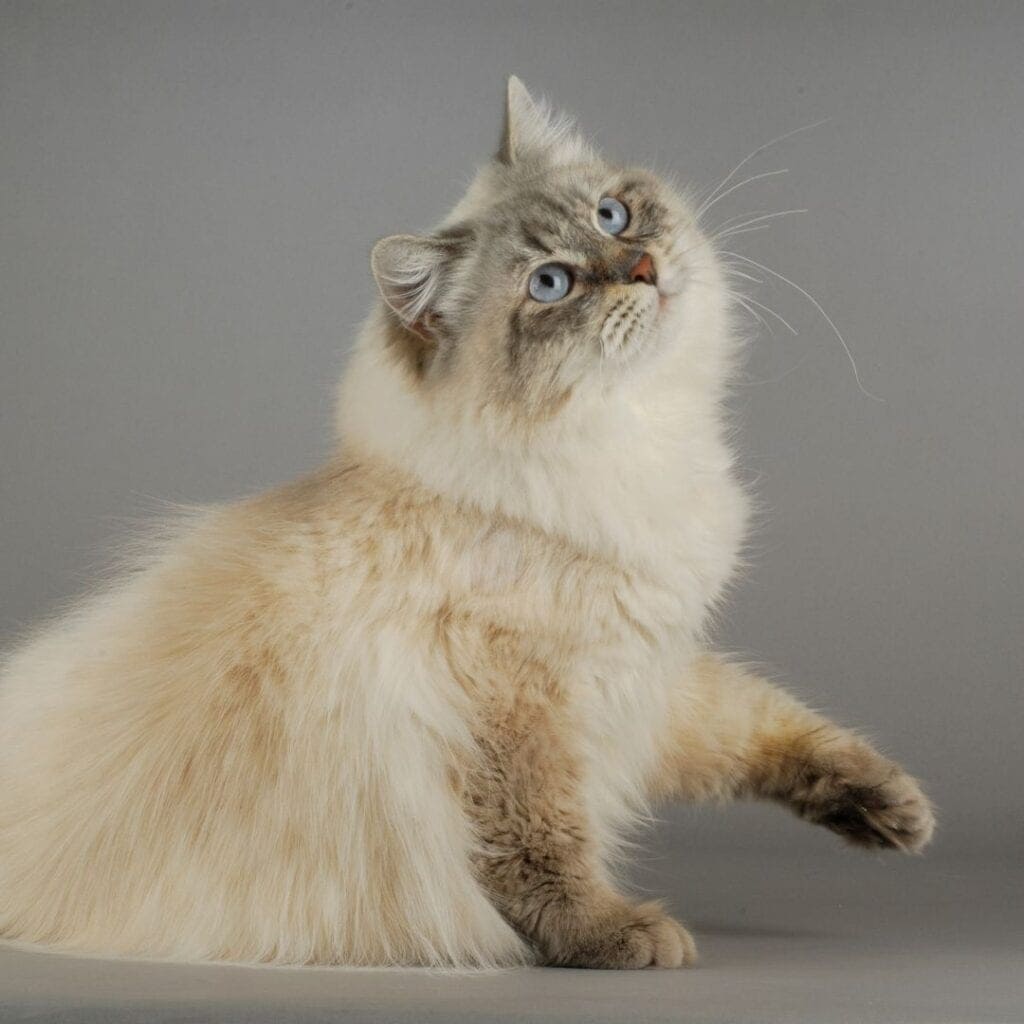
Siberians are big, fluffy, and sturdy, so people slap “Ragdoll” on them all the time, especially when the cat has a pale body and darker face. The coat is a key difference. Siberians have a natural triple coat built for harsh weather, which can feel thicker and more weatherproof than a Ragdoll’s plush, drapey coat.
Most Siberians aren’t colorpoint, but some are. Pointed Siberians are sometimes called Neva Masquerade, and that’s where the confusion spikes. If your cat is athletic, springy, and loves climbing to high places, Siberian may fit better than the classic laid-back Ragdoll stereotype.
Related Post: Learn more about the Siberian Forest Cat
Maine Coon vs Ragdoll
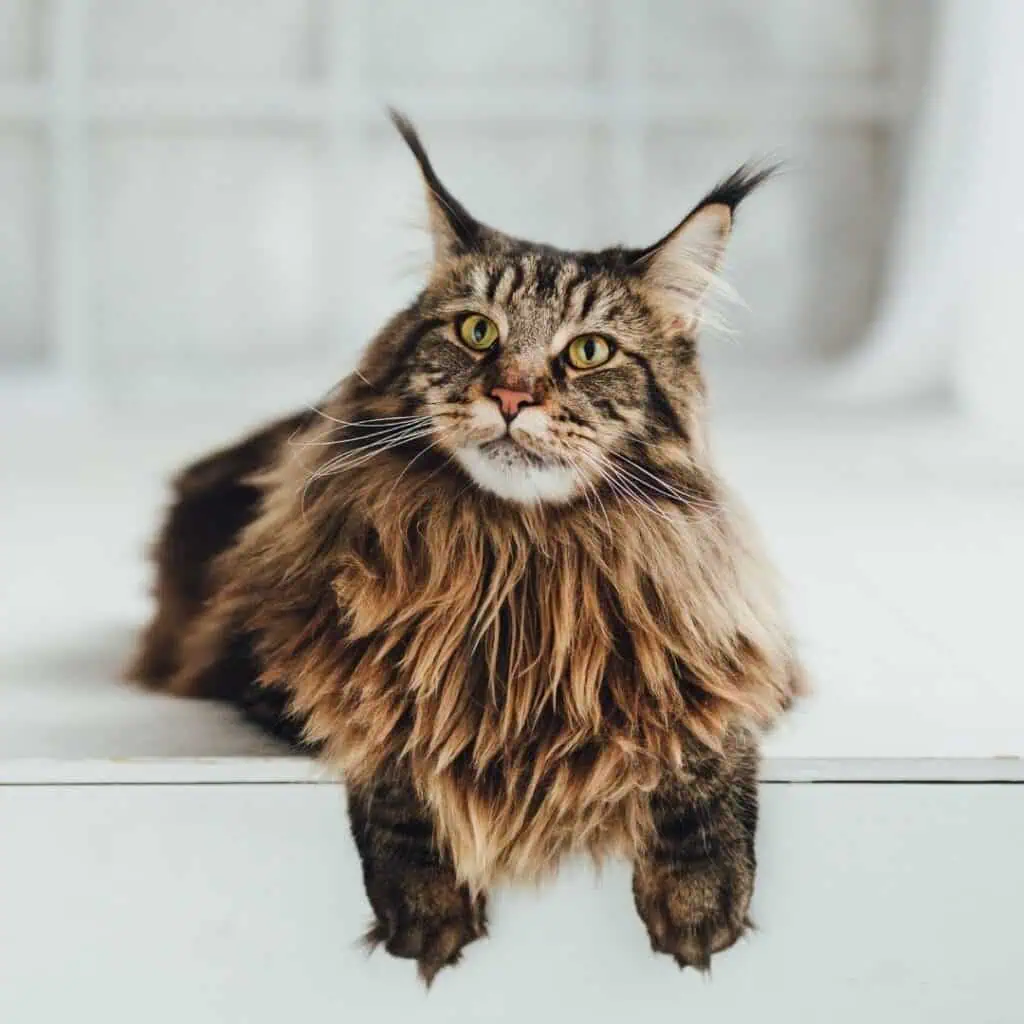
I always think this is a weird one when I get asked if Johnny is a Maine Coon. The breeds look nothing alike. Other than the size and the long coat they have nothing in common.
Maine Coons and Ragdolls both get described as gentle giants, but they wear their size differently. Maine Coons often have a shaggy coat that looks longer around the ruff and belly, plus a very bushy tail. Many have tufted ears and a more “wild” or working cat outline with a strong, square muzzle. There’s nothing about Ragdolls that would suggest a working cat.
Patterns also steer people wrong. Maine Coons commonly show tabby markings and a wider range of colors. Maine Coons are not accepted in the pointed colors whereas Ragdolls ONLY come in pointed patterns.
Maine Coons are often friendly and social, but also more playful and busy. Ragdolls tend to seek lap time and longer cuddles, with less constant motion.
Related Post: Maine Coon Cat Profile
Ragdoll vs. Siamese vs. Snowshoe
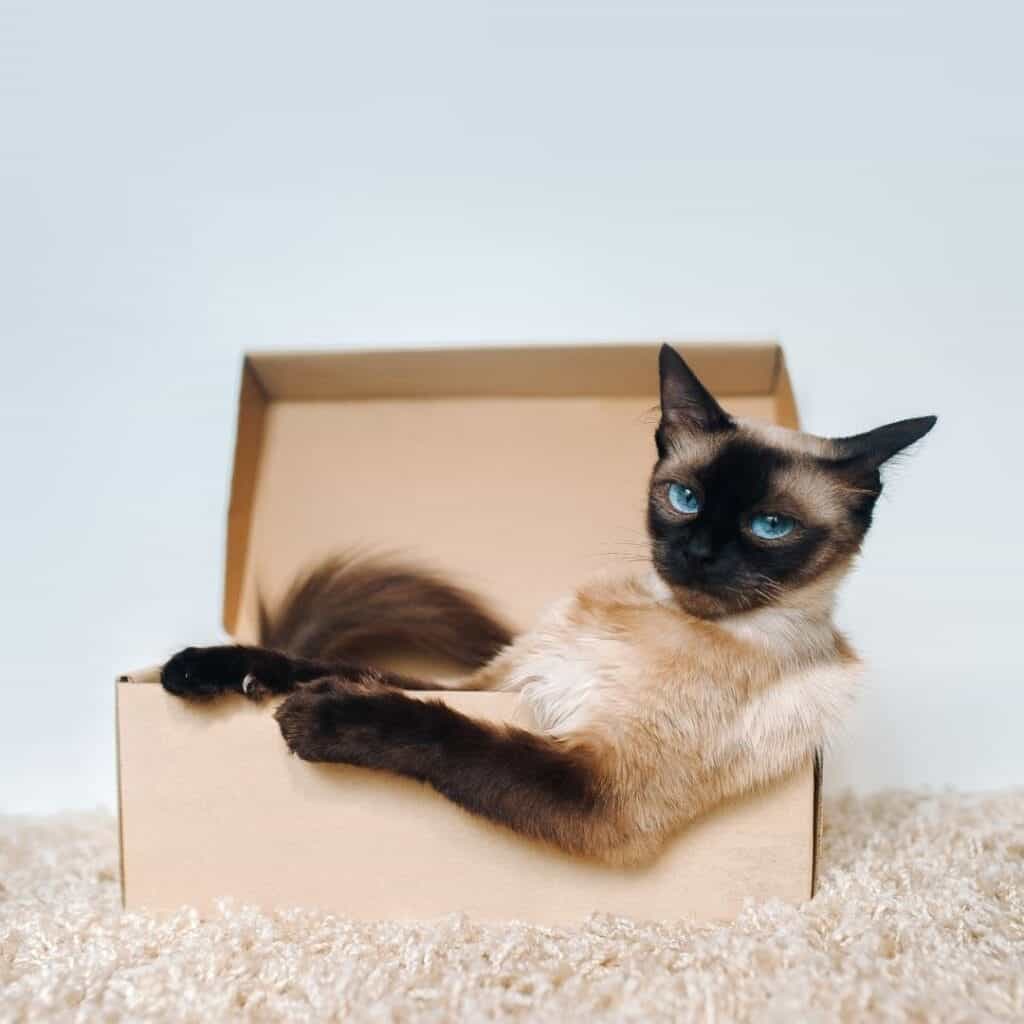
Just because it is pointed doesn’t make it a Siamese. The Siamese, Snowshoe, and Ragdoll get lumped together because they share the colorpoint genes and blue eyes. The differences show up fast once you stop focusing only on the mask.
- Siamese: Very short coat, long, lean, tubular foreign body style; with big ears, and a louder, more talkative personality.
- Snowshoe: Short-haired like the Siamese, with the white paws and a bicolor face pattern that resembles the Ragdoll, but without the long, plush coat.
A quick tip: if the cat has the point mask and white paws but the fur is clearly short and sleek, you’re likely looking at a Snowshoe-type or Siamese mix, not a Ragdoll.
Related Post: Siamese Cat Profile
Conclusion
Ragdolls get mislabeled because the “cute cues” are shared, blue eyes, points, fluff, size, and a sweet face. Birmans and Ragamuffins are especially common mix-ups, and Maine Coons, Himalayans, Siberians, and Siamese types can get pulled into the confusion by online ads and quick shelter notes.
If you remember just five things, make them body shape, coat feel, face type, markings, and temperament over time. Use the checklist, compare the look-alikes, then ask for the cat’s papers if breed really matters to you. If you go the DNA route, treat it as no more than a perhaps helpful clue, not a final stamp, and remember to enjoy your cat for who they are, not the label.