How to Help a Cat with Matted Fur
We love our furbabies. When our cats get matted fur, we can feel like the worst cat guardians out there. We feel like we’ve neglected our kitties. We’re embarrassed to reach out to the vet or a groomer. But really, cats get mats. Your groomer is going to understand. There are many reasons a cat can develop matted fur. The weather, seasons, medical conditions, and even the color of your cat’s coat can contribute to Kitty’s likelihood of developing mats and tangles. What we need to know is how to help our cats when they get in trouble before they end up in a pelted situation.
So if you’re looking for solutions on how to help a cat with matted fur, keep reading to learn the reasons cats get mats, tips on how to remove the mats safely, proper tools to use to help a cat with matted fur, and, most importantly, how to prevent it from happening in the future.
Contents
Why Do Cats Get Matted Fur?
Cats are efficient self-groomers. They spend 30-50% of their day grooming. But some cats need extra help from their guardians. Conditions like age, obesity, dental pain, and arthritis make it difficult for some cats to take care of their fur. Kidney disease, diabetes, and thyroid disease can change Kitty’s coat and make her more prone to matting. A pregnant cat can develop mats as her pregnancy advances.
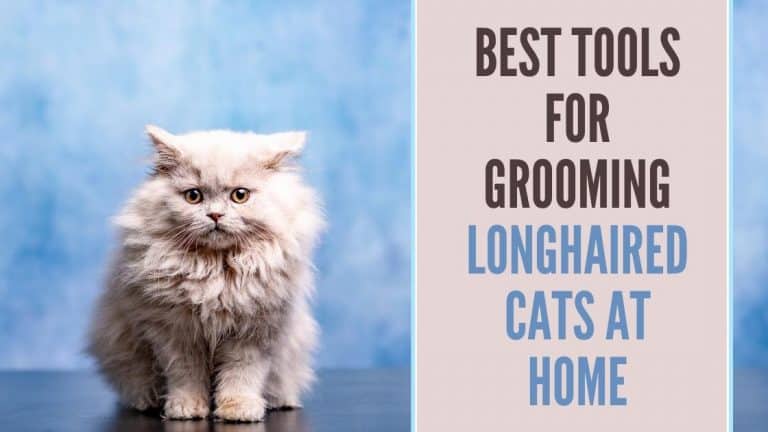
Long haired breeds, like Persians and Ragdolls, can struggle to maintain their coats without help. Their undercoat gets caught up in the guard hairs as they shed. Cotton-y “soft” coats, like those on blue or lilac cats, mat more easily than “hard” or dominant colored coats.

When Kitty’s fur is left unattended for too long, the oils in the coat can start to build up and combine with dirt, dander, debris, and dead fur. Eventually, this causes tangles that will turn into mats if they aren’t cleaned and combed out. The more matted the fur becomes, the more difficult it is to deal with.
Areas on your cat’s body where there is a lot of movement or friction are the most prone to matting; including armpits, between the legs, chest, and around a collar if Kitty wears one. If Kitty always lies on one side, he’s more likely to get mats there. Humidity and the excess undercoat that builds up during the shedding season can also contribute to matting. You’ll have to up your grooming game during those changes of seasons.
Are Mats Painful For Cats?
It’s important to regularly brush Kitty’s coat to prevent mats from forming in the first place. Mats can be simply unsightly and irritating to Kitty and embarrassing for us. But the more matted a cat’s fur becomes, the more it can lead to painful conditions for Kitty.
Matted fur can be painful for cats to lay on when they try to rest. Mats that form about their armpit areas or between the legs can restrict Kitty’s range of motion. The fur pulls when Kitty walks or jumps. In extreme cases, mats can actually prevent a cat from walking and using the litter box.
Mats also lead to bruising, skin irritation, inflammation, and dandruff due to trapped moisture and bacteria buildup. If the matting gets tight enough, Kitty’s skin can tear causing her more pain and risk of infection.
Related Post: Cat Dandruff
How Can I Remove Mats From My Cat
For cats with minimally matted fur, the best way to remove it is with a wide tooth comb or a mat rake. Sprinkle cornstarch over the mats and gently work it in with your fingers. The cornstarch will absorb the grease in the mat and make it easier to release. Hold the skin taut against Kitty’s body and work the mat out gently. Tease it apart with your fingers and then pick it with the comb or rake. If this doesn’t work, you can try adding a detangling spray.
Cutting out mats is not recommended because a cat’s skin is extremely thin and easy to tear, especially on an elderly cat. But if you have a very docile cat, steady hands, and a good pair of blunt tipped, cat grooming scissors; you can try to cut the mats and work them out.
Gently, try to see where the skin is and where the mat attaches. Slide your comb under the mat. Using your blunt-tipped scissors, hold them perpendicular to the skin and cut into the mat but not down to the skin. Once you’ve opened it up you should be able to tease it or pick it with the end of your comb or your mat breaker.
If you can see unmatted fur between the mats and comb then you can slide the scissors in and snip the fur little by little. You’re basically going to do it fur by fur rather than removing the mat in one go. Do not do this if your cat is wiggly, complains, or if you are not confident.

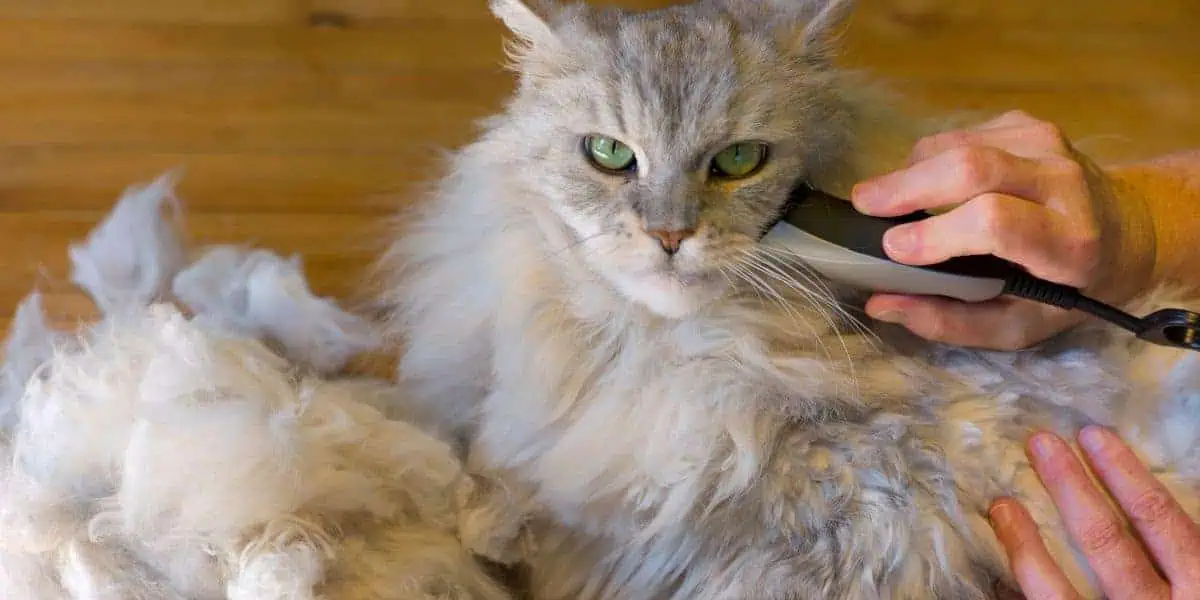
Sometimes the only option is to shave out the matted cat hair. To shave mats, hold the flat end of the clippers parallel to the skin and gently slide the clipper blade under the mat. Make sure the skin is held flat and tight as you use the razor, or else you might cut or tear the skin. Do not risk doing this if your cat is pelted. If your Kitty has overlapping mats or folded skin, enlist the help of a professional cat groomer or your vet’s office.
Be sure to give your cat plenty of snacks, love and praise throughout the process!
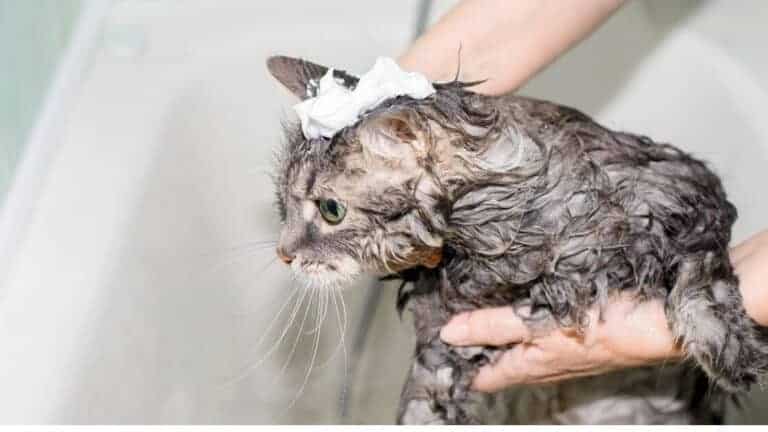
While giving Kitty a bath to clean her fur might seem like a natural reaction to a matted cat, resist. Mats become felted with water. The only thing to do then is have her completely shaved.
Best Tools To Remove Matted Cat Hair
This post may contain affiliate links. Life and Cats is a Chewy affiliate and a member of the Amazon Associates program and as such we earn a small commission when you shop through our our links and banners. It doesn’t change the amount you pay. You can read our full disclosure policy here.
If your furbaby does end up with mats, there are special tools available that can help you remove them. For most cats with matted fur, a specially designed metal comb or rake made just for cats is the best option. Be careful not to tug on the mat when you are trying to remove it. Pulling too hard can cause your cat pain and discomfort.
Your mat removal kit should include:
- 6-8” steel fine and coarse toothed comb
- Undercoat comb
- Mat breaker
- Blunt-tipped scissors
- Pet hair detangler spray
- Cornstarch
If you want to try to tackle an “easy” case of matting, you can get a clipper set designed for animal hair. I hesitate to recommend this because it is too easy to cut your cat and end up with a big bill at the vet.
Tips to Keep Your Cat from Developing Matted Fur
If Kitty’s coat has changed in texture or she has stopped grooming, your first step should be to take her to see her veterinarian. After you’ve ruled out any health problems, you can address environmental issues such as lack of humidity or potential allergens.
Diet and nutrition are another factor when it comes to the condition of your kitty’s fur. Improving her diet can be as simple as switching her to more wet food or adding omega oils.
Related Post: Grooming Your Cat at Home
Proper at-home grooming is the most important part of preventing mats. Long haired cats need to be combed on a daily or every other day basis. Short haired cats are generally fine with a weekly brush out. Make sure you are using the appropriate tools for Kitty’s coat.
Professional grooming on a regular basis can be a big help; especially if you have a cat with a difficult temperament or a hard to manage coat.
Conclusion
Related Post: Why Grooming is Essential for Cats
In conclusion, helping a cat with matted fur is no easy feat. Regular grooming is the best way to avoid mats from forming in the first place, but if it happens and you don’t feel comfortable handling the situation yourself, contact your veterinarian or a professional cat groomer for help. The most important thing is that Kitty remains clean, healthy, and happy for years to come! And don’t beat yourself up if your furbaby has a matted coat. It can be fixed. And remember, it’s fur. It will grow back.
More Posts You Might Enjoy:
Best Grooming Tools for Long Haired Cats
Best Grooming Tools for Short Haired Cats