Cognitive Dysfunction in Cats: Symptoms and Solutions
Last Updated on January 4, 2026 by Holly Anne Dustin
Cognitive dysfunction in cats is a condition that affects the brain and behavior of senior cats. It can be a frustrating and heartbreaking experience for both the cat and their guardians. Some of the most common symptoms of cognitive dysfunction in cats include disorientation, confusion, changes in sleep patterns, and altered social behavior.
We do not fully understand the exact causes of cognitive dysfunction in cats. But it is likely related to changes in the brain that occur as cats age. Research suggests that, like Alzheimers in humans, it is linked to the buildup of certain proteins in the brain. Other factors that may contribute to the development of CDS include genetics, environmental factors, and underlying medical conditions. I’ve not had to deal with cognitive dysfunction in cats as of yet. I thought Treeno was heading down that path at 17 but, so far, it has just been arthritis and deafness.
These changes can lead to a decline in cognitive function. The decline can significantly impact Kitty’s quality of life. Fortunately, there are ways to manage the symptoms of cognitive dysfunction in cats, including medications, diet, exercise routine, and environment.
This post may contain affiliate links. Life and Cats is a Chewy affiliate and a member of the Amazon Associates program and as such we earn a small commission when you shop through our our links and banners. It doesn’t change the amount you pay. You can read our full disclosure policy here.
Contents
Understanding Cognitive Dysfunction in Cats
Cognitive dysfunction (CDS) in cats affects Kitty’s cognitive abilities and leads to a decline in cognitive function affecting a cat’s behavior, memory, and ability to learn. CDS is a progressive condition that typically affects older cats. However, it can affect cats of any age, and early detection is crucial for managing the condition.
Symptoms include changes in behavior, such as increased vocalization, anxiety, aggression and changes in sleeping patterns and activity levels. Cats may also experience a decline in cognitive functions, such as memory, learning, and problem-solving abilities.
There are several treatment options available that can help manage the condition and improve a cat’s quality of life but there is no cure for dementia. These may include changes in diet, environmental enrichment, and the use of medications that can help improve cognitive function. Early detection and management of the condition are crucial for improving a cat’s quality of life. Guardians should be aware of the symptoms of CDS and seek veterinary care if they suspect Kitty is affected.
Signs and Symptoms of Cognitive Dysfunction in Cats
Cognitive dysfunction in cats is a common condition that affects Kitty’s daily life. The signs and symptoms are subtle and gradual, making it difficult to recognize in the early stages. However, with careful observation, we identify the changes in Kitty’s behavior and take appropriate measures.
Behavioral Signs
Cats suffering from cognitive dysfunction may exhibit changes in their behavior, such as increased irritability, aggression, or anxiety. Alternatively, Kitty can become more clingy and demand constant attention. Some cats may show a decrease in their activity level, while others may become restless and pace around the house. She might forget her people or become aggressive toward a former best feline friend.

Disorientation and Confusion
Cats with cognitive dysfunction may have trouble navigating familiar places and may appear disoriented or confused. Kitty may wander around without a purpose, stare blankly at the wall, or find himself unable to move around normal obstacles like furniture.
Cats with outdoor access may wander away from home and lose their way home. They get lost in their own home. They may also forget the routine of their daily activities, such as feeding times.
House Soiling
Cats with cognitive dysfunction may forget the location of their litter box. House soiling is common in cats with cognitive decline. This is one of the most annoying symptoms of CDS. However, there are ways to adapt your home to make the litter box easier for Kitty.
Excessive Vocalization
The night time howling is often the first thing that often drives cat guardians to the vet. Kitty vocalizes loudly and excessively, especially at night, due to confusion and anxiety. If comfort strategies aren’t effective, your vet may prescribe calming supplements or anti-anxiety medications.
Cat guardians should observe Kitty’s behavior closely and consult with their veterinarian if they notice any signs of cognitive dysfunction.
The Role of Aging in Cognitive Dysfunction in Cats
Old age is a natural part of life, and just like people, cats can experience age-related decline. Senior cats are more likely to develop CDS. Research shows 36% of cats between 11-15 have signs of CDS. Some studies suggest that up to 50-80% of cats over the age of 15 are affected.
The aging process can cause changes in the brain; including a decrease in the number of neurons and changes in the structure of the brain. These changes can impact a cat’s ability to learn, remember, and process information.
Aging is a natural process that we can’t stop. But there are steps that we can take to help our elderly cats maintain their cognitive function. Providing a stimulating environment can help keep Kitty’s mind active. Regular veterinary check-ups can help detect any changes in behavior or cognitive function early on, allowing for prompt treatment.
Diagnostic Process
If you suspect Kitty is experiencing cognitive dysfunction, the first step is to schedule a visit with her veterinarian. CDS is only diagnosed by ruling out everything else because so many other senior cat medical issues produce similar symptoms.
During the physical examination, the veterinarian will assess the cat’s neurological function, including their reflexes, balance, and coordination. Kitty will have blood and urine tests to check for any abnormalities in the cat’s blood chemistry or hormone levels. Your vet may refer Kitty for an MRI.
If a diagnosis of cognitive dysfunction is confirmed, your veterinarian will work with you to develop a treatment plan. This may include medication to manage symptoms, environmental modifications to reduce stress, and changes to the cat’s diet and exercise routine to improve overall health.
Early diagnosis and treatment can help slow the progression of the disease and improve the cat’s quality of life.
Treatment and Management of Cognitive Dysfunction in Cats
While there is no cure for CDS, there are several strategies that can help manage the symptoms and improve the quality of life for affected cats. The first step is to identify and address any underlying medical conditions.
Related Post: What to expect as your cat ages
Clinical Management
Clinical management may involve a combination of strategies to address the various symptoms of the condition. This may include:
- Providing a safe and comfortable environment and consistent routine that minimizes stress and confusion.
- Encouraging regular exercise and play to help maintain physical and mental health
- Providing a balanced and nutritious diet that supports brain function and overall health
- Using environmental enrichment strategies to stimulate the senses and promote mental activity
Medication
In some cases, your vet will prescribe medication to manage the symptoms of CDS. The most common drugs used for cats with cognitive dysfunction, include:
- Selegiline/Anipryl: A medication that helps to increase levels of dopamine in the brain, which can improve cognitive function and reduce anxiety. Selegiline is approved for dogs but not yet regulated for cats. Still, it is used off label with cats by some vets. It is an MAOI. It may react with antidepressants and opioids so consider that depending on what other medications Kitty is taking.
https://www.wedgewoodpharmacy.com/medications/selegiline/ - Propentofylline is another commonly prescribed medication for cognitive dysfunction in cats. It increases the blood flow to the brain and has been shown to improve the cat’s energy levels and concentration.
- Fluoxetine/Prozac: An anti-depressant medication that can help reduce some of the behavioral problems and anxiety in cats with CDS.
- Gabapentin: A medication that can help to reduce pain and anxiety, which may be beneficial for cats with CDS.
Therapy
In addition to clinical management and medication, there are several types of therapy that may be beneficial for cats with CDS. These may include:
- Cognitive training: involves teaching cats new skills and behaviors to help stimulate their brains and improve cognitive function.
- Acupuncture: promotes relaxation and reduce pain by inserting thin needles into specific points on the body.
- Massage therapy: Another therapy that help reduce stress and promote relaxation.
Again, it is important to consult with a veterinarian to determine the most appropriate type of therapy for your cat, and to ensure that it is safe and effective.
Role of Diet and Supplements
Diet and supplements play a crucial role in maintaining cognitive function in cats. Antioxidants, omega-3 fatty acids, SAM-e, carnitine, and vitamins have a positive impact on feline cognitive function. Antioxidants like vitamins E and C can help protect brain cells from damage caused by free radicals. Selenium, beta-carotene, and Omega-3 fatty acids, like those found in fish oil, help improve cognitive function in cats and may also have anti-inflammatory effects that can benefit brain health.
Carnitine is an amino acid that transports fatty acids into cells to be used for energy. Studies suggest that supplementing with carnitine may improve cognitive function in older cats. SAM-e is a safe and effective way to support cats cognitive function. SAM-e helps to increase the dopamine function in the brain, stimulates the brain function and also works as an antioxidant.
It is important to look for a high-quality, balanced diet that includes these important nutrients when choosing a diet for your Kitty with cognitive dysfunction. Senior cat diets are usually supplemented with some of these nutrients. There are also supplements targeted to improve Kitty’s cognitive function on the market. Overall, a combination of a balanced diet and targeted supplements can help support cognitive function in cats and improve their quality of life.


Environmental Factors
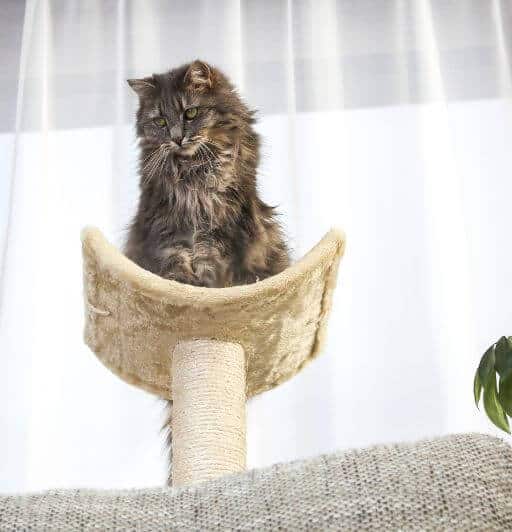
Environmental enrichment is crucial for maintaining a healthy cognitive function in cats. Providing cats with toys, scratching posts, and other forms of stimulation can help keep their minds active and engaged. Overall, it is important to provide cats with a stimulating and stress-free environment in order to maintain their cognitive health.
Related Post: Environmental Enrichment for Senior Cats
Confusion and Disorientation:
A predictable routine and environment benefits a confused or disoriented cat. Make sure you keep Kitty’s food and water bowls and litter boxes in a consistent location. Keep her routine, including feeding times, playtime, and bedtime the same every day.
Disrupted Sleep/Wake Schedule:
Pain and anxiety can cause Kitty a disrupted sleep cycle. Medications may be necessary. While you work with your vet to treat any underlying issues, set up routines that encourage play during the day and comfortable sleep at night. Comfort items like a heated bed may help.

Increased Vocalization:
Helping Kitty sleep at night will decrease their nighttime howling. If anxiety or depression seems to cause your cat’s vocalizations, your vet may decide to prescribe meds to help them. Nightlights can help make navigating the house easier and reduce disorientation.
Reduce stress:
Avoid making changes to the household. No renovations, moving furniture, or new pets. This isn’t the time for major schedule changes either. Pheromones like Feliway or Comfort Zone might help as well. If Kitty is disoriented, peeing outside the box or struggling with anxiety reducing her space may help. Just as we give kittens limited access to the house, giving senior cats a smaller patch can make life easier.
Keep Kitty inside:
If Kitty has been able to free roam outside it might be time to consider building a catio or other outdoor enclosure. That way you can keep her safe from wandering off but still allow her access to outdoor spaces.
Training, Play and Environmental Enrichment:
Training and play can be an effective way to manage some of these behavioral changes. For example, training can help a cat learn new behaviors or reinforce existing ones. This can be particularly helpful for cats that are experiencing memory loss or have difficulty learning new things.
Play can also be an important part of training for cats with cognitive dysfunction. Play can help stimulate the cat’s mind and encourage them to engage with their environment. It can also help reduce stress and anxiety, which can be particularly beneficial for cats that are experiencing behavioral changes.
In addition to training, environmental modifications can also be helpful for cats with cognitive dysfunction. For example, providing a comfortable and safe space for the cat to rest can help reduce stress and anxiety. Providing plenty of toys and opportunities for play can help stimulate the cat’s mind and keep them engaged with their environment.
Conclusion
Cognitive dysfunction in cats is a complex and multifaceted condition that can pose significant challenges for cat guardians and veterinarians alike. Although the exact causes of this condition are not yet fully understood, there are several factors that may contribute to its development, including age, genetics, and environmental factors.
Despite the difficulties of diagnosing and treating cognitive dysfunction in cats, there are several strategies to manage the condition and improve the quality of life for affected cats. These strategies may include dietary modifications, environmental enrichment, and the use of medications or supplements to support cognitive function.
With patience and persistence, guardians can help their cats maintain a good quality of life despite the challenges of cognitive dysfunction.