
Whisker Workouts: A Cat Fitness Guide
While cats may seem content lounging around all day, a lack of physical activity can lead to health problems such as obesity, diabetes, and joint issues. That’s why cat fitness is an important topic for all cat guardians to consider.
There are many ways to help your cat stay fit and active. One way is to provide them with plenty of toys to play with, such as balls, wand toys, and interactive puzzles. Another way is to encourage them to climb and explore their surroundings by setting up cat trees and perches. Additionally, regular playtime and exercise sessions with your cat can help keep them healthy and happy.

This post may contain affiliate links. Life and Cats is a Chewy affiliate and a member of the Amazon Associates program and as such we earn a small commission when you shop through our our links and banners. It doesn’t change the amount you pay. You can read our full disclosure policy here.
Contents
Understanding Cat Fitness
Benefits of Exercise for Cats
Exercise helps to keep cats physically fit, mentally alert, and emotionally stable. Regular exercise can help to prevent obesity, which is epidemic among our indoor cats. Obesity can lead to a variety of health problems, such as diabetes, arthritis, and liver disease.
Regular exercise can also help to reduce stress and anxiety in cats. Exercise releases endorphins, which are natural mood enhancers, in cats like it does in people. This can help to improve a cat’s overall mood and reduce the risk of depression and anxiety. If your furbaby has separation anxiety or is excessively fearful or aggressive, a good play session can potentially help at least take the age off.
Cat Anatomy and Physiology
Cats are natural predators and are designed to be active hunters. They have strong, flexible bodies that are built for agility and speed. Cats have powerful muscles in their legs, which allow them to jump high and run fast. They also have sharp claws, which they use to climb trees and catch prey.
Cats have a high metabolism, which means they burn calories quickly. However, they are also prone to weight gain if they do not get enough exercise. Regular exercise can help to keep a cat’s metabolism in check and prevent weight gain.
We need to provide Kitty with opportunities to exercise that internal hunter if we keep this athletic animal as a house cat. He may be hunting a rolling rattle ball or a feather on a string, or climbing and jumping on a set of cat stairs, but the idea is the same. We want Kitty to be able to unleash his inner ambush predator and use his speed and agility. Especially if you have an athletic breed like an Ocicat or one that is extra prone to obesity like a Ragdoll or a British Shorthair.
Assessing Your Cat’s Fitness Level
Weight and Body Condition
One of the first things to consider when assessing your cat’s fitness level is her weight and body condition. An overweight cat can be at risk for various health problems, including diabetes, heart disease, and joint issues. On the other hand, an underweight cat may also have health concerns, such as malnutrition or an underlying medical condition like hyperthyroidism.
To determine Kitty’s weight and body condition, you can use a body condition score chart. This chart will help you assess your cat’s body condition based on factors such as their ribs, waistline, and overall body shape. You should consult with your vet to determine your cat’s ideal weight and body condition before taking on any weight loss program.
Related Post: Obesity Epidemic in Cats
Behavioral Indicators of Fitness
Another way to assess Kitty’s fitness level is to observe her behavior. A healthy cat should be active, playful, and alert; with a good appetite and the ability to groom themselves regularly.
If your cat is lethargic, avoids physical activity, or seems disinterested in food or grooming, it may be a sign of an underlying health issue. Other behavioral indicators of poor fitness may include excessive sleeping, hiding, or vocalizing.
By monitoring your cat’s weight, body condition, and behavior, you can assess her overall fitness level and take steps to improve her health and well-being.

Exercise Routines for Cats
Cats are natural athletes and require regular exercise to maintain their physical and mental health. If they aren’t outside hunting and roaming, they need to find other ways to keep themselves in good condition. Here are three types of exercise that can help keep your feline friend in top shape.
Interactive Play Sessions
Interactive play sessions are a great way to keep your cat active and engaged. These sessions can involve toys such as feather wands, laser pointers, and interactive puzzles. It is important to supervise play sessions and avoid toys that can be easily chewed or swallowed. A 10-15 minute play session two or three times a day will help keep Kitty fit or take off excess weight.
Agility Training
Agility training involves setting up obstacles for your cat to jump over, crawl under, and weave through. This type of training can be done indoors if you set up proper obstacles and provides mental stimulation as well as physical exercise. Start with simple obstacles and gradually increase the difficulty level as your cat becomes more confident.
Related Post: Feline Agility Training
Outdoor Adventures
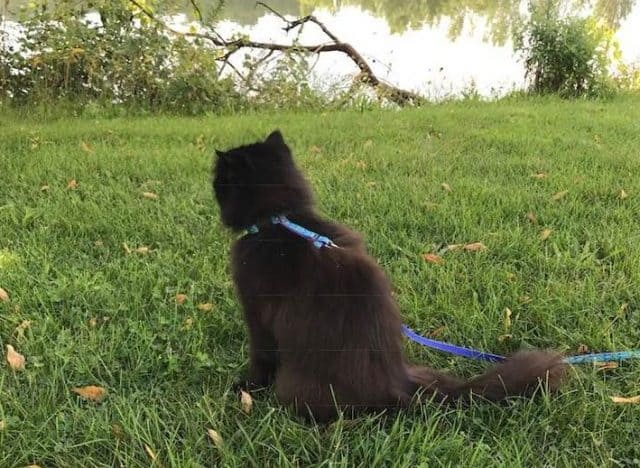
Outdoor adventures such as walking on a leash or exploring a cat-friendly garden or a catio can provide your cat with a change of scenery and a chance to exercise in a new environment. Always supervise outdoor adventures and ensure that your cat is up-to-date on vaccinations and flea prevention.
Related Post: Hiking with Cats
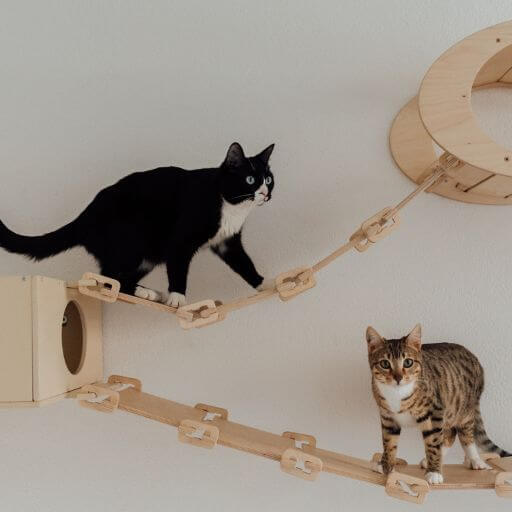
In addition to organized fitness activities like these, Kitty should be encouraged to engage in regular playtime, which can include chasing toys, climbing, and scratching. Indoor cats may benefit from a cat tree or other climbing structures to help keep them active. You can add things such as a cat wheel to her environment to encourage activity.
For the truly obese cat, or a senior kitty, your vet might suggest a consultation with a physical therapist that can offer a program of walking on a water treadmill in a supportive environment.
Remember to consult with your veterinarian before starting any new exercise routine with your cat. With regular exercise and a healthy diet, your cat can maintain a healthy weight and enjoy a long and happy life.
Diet and Nutrition
Balanced Diets for Active Cats
A balanced diet is essential for maintaining a cat’s health and fitness. Active cats require a diet that is high in protein and low in carbohydrates. Protein helps to build and maintain muscle mass, while carbohydrates provide energy. It is important to choose a cat food that is specifically formulated for active cats to ensure that they are getting the right balance of nutrients.
When selecting cat food, it is important to read the ingredient list carefully. Look for high-quality sources of protein, such as chicken, fish, or turkey.
Don’t overfeed. Ignore the portion suggestions on bag or cans and ask your vet for a proper daily amount of calories for your Kitty. Don’t forget to count any treats that she earns as part of her trick training or agility runs.
Related Post: How to Read a Cat Food Label
If you have been free-feeding, it is time to put up the never empty bowl and switch to timed meal feedings.
Hydration
In addition to a balanced diet, it is important for active cats to stay hydrated. Cats should have access to fresh, clean water at all times, especially if they are accompanying their people on outdoor adventures and after intense play sessions.
Encouraging Kitty to drink more water can be done by providing her with a water fountain or adding wet food to her diet. Hydrating supplements like HydraCare or KittyRade can be offered as pleasing treats. Don’t forget to add the calories to Kitty’s intake if she’s dieting.
Overall, a balanced diet, plenty of water, and regular exercise are key components of a cat’s fitness routine. By providing cats with the right nutrition and opportunities for exercise, guardians can help their feline friends stay healthy and active.
Monitoring Progress
Setting Fitness Goals
Setting fitness goals is an essential part of monitoring your cat’s progress. Goals should be specific, measurable, achievable, relevant, and time-bound. A cat’s guardian should work with the vet to determine an ideal body weight and body condition score for Kitty and set a realistic goal to achieve it.
It is important to keep in mind that cats are unique individuals, and their fitness goals should be tailored to their needs. For example, an older cat may have different goals than a young, active cat.
It is also important to remember that weight loss must happen slowly in cats. Crash dieting your kitty puts him at risk for liver disease.
Keeping Kitty Fit
Download a weight loss tracker or a workout tracker for Kitty. You will also receive access to a subscriber-only resource library of free and paid cat care guides and printables, and a subscription our “mews”-letter filled with more tips, cat-related news.
Tracking Activity Levels
Tracking a cat’s activity levels is a crucial part of monitoring progress. Guardians can use activity monitors, trackers like Purrsong or FitBark, or simply keep a log of the cat’s daily activities. It is essential to track not only the amount of activity but also the intensity.
Aim to increase your cat’s activity levels gradually. A sudden increase in activity can lead to injury or stress. It is also essential to monitor the cat’s food intake and adjust it accordingly.
Summary
Keeping our furry feline friends fit and healthy is crucial for their overall well-being. Regular exercise and a balanced diet are key components of cat fitness. With the right amount of playtime, mental stimulation, and proper nutrition, our cats can maintain a healthy weight, strong muscles, and a happy lifestyle. Let’s make sure to prioritize their fitness just as much as we do our own.