The Delightful Domestic Shorthair Cat: Traits, Size, Temperament
Contents
- 1 Summary
- 2 What Does “Domestic Shorthair Cat” Mean And What Does It Not Mean?
- 3 How the Domestic Shorthair Cat Typically Looks (and Why No Two Are Alike)
- 4 History of the Domestic Shorthair Cat
- 5 Personality, Health, And Care: What To Expect When You Bring One Home
- 6 Is A Domestic Shorthair The Right Cat For You?
Summary
A domestic shorthair cat is one of the short-haired mixed breed cats, not a single purebred among cat breeds with fixed traits. That’s why DSH moggies can look completely different from one another, and why their personalities range from cuddle-bug to independent observer.
What breed is my cat? Is my cat a Maine Coon? I think my cat is part Siamese because it is pointed. The shelter says he’s a Norwegian Forest Cat. You can look at any cat group on the internet and you see stuff like this. But really, over 90% of cats are not a recognized breed. More than likely, when you’re looking at an adoption listing it is going to say “Domestic Shorthair.” Your vet paperwork probably says the same thing about your rescue cat.
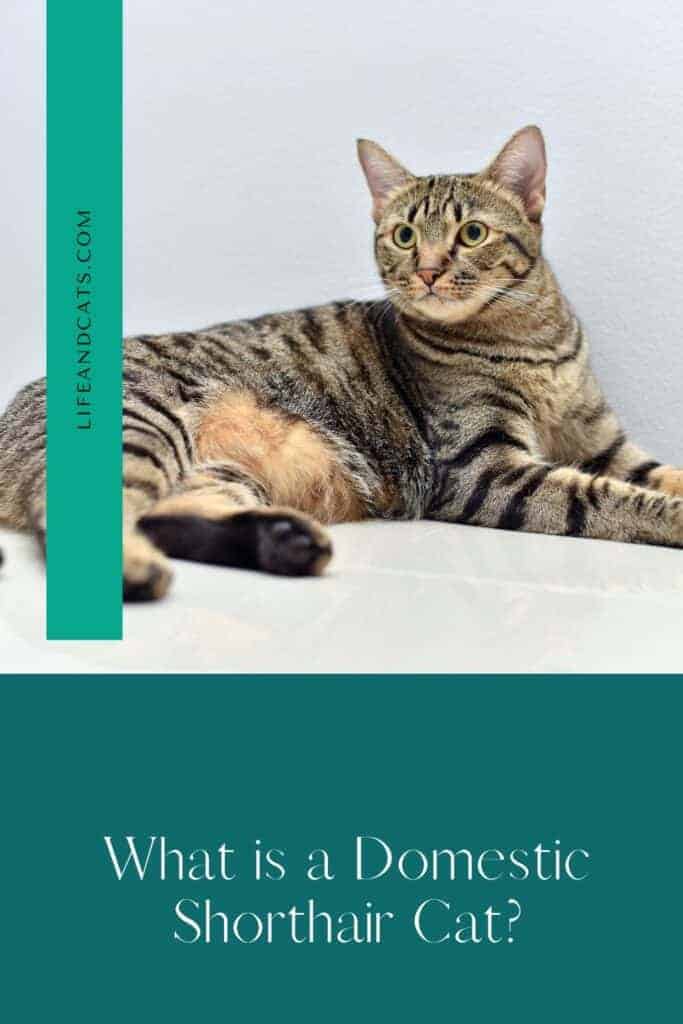
The most popular cat in the world, a domestic shorthair cat (often shortened to DSH) is a cat of mixed ancestry with a short coat. It’s not a specific breed. Think of it like “mixed-breed dog,” except the label focuses on coat length first. You could substitute “alley cat”, “house cat”, or even mutt. They vary greatly in personality, size, fur color and type, and other traits.
DSH cats can be almost any color, shape, and personality, so your cat gets to be a true one-off. In the cat show world, these are the household pets or companion cats.
What Does “Domestic Shorthair Cat” Mean And What Does It Not Mean?
The “domestic shorthair cat” is a type, not a pedigree. It describes two basic facts:
- Your cat has short fur (not long, not fluffy).
- Your cat’s ancestry is unknown or mixed, rather than tracked through a registry for cat breeds.
- Even if you know that your cat does have a breed background, without proper “papers” from a registry, your cat is considered a domestic shorthair.
What the label does not guarantee is just as important:
- It doesn’t promise a certain personality.
- It doesn’t lock in adult size, head shape, or body type.
- It doesn’t mean your cat is “part” of a specific breed, unless you have proof (paperwork or DNA testing).
In everyday language, domestic shorthair cats are often called housecats, mixed breed cats, or (in some places) moggies. These are all ways of saying the cat doesn’t belong to a recognized purebred line, even if it looks a bit like one, unlike the pedigreed American Shorthair.
Domestic shorthair vs. American Shorthair: why the names confuse people
The confusion is understandable. The names sound like they should be related, and visually, some DSH cats can resemble an American Shorthair.
Here’s the clean way to remember it:
- American Shorthair: a recognized purebred with a known lineage and a breed standard.
- Domestic Shorthair: a mixed-breed cat with short fur, with traits that can vary widely.
A purebred is more like a recipe that’s followed closely. A DSH is more like a potluck, you never know exactly what you’re going to get, and that’s part of the charm. If you want a plain-English breakdown, this side-by-side explanation is useful: Domestic Shorthair vs. American Shorthair differences.
Why animal shelters and vets use the DSH label
Most cats entering animal shelters don’t arrive with pedigrees. Staff have to move fast, record basic info, and keep descriptions consistent for hundreds of animals.
So shelters and clinics often sort cats into simple coat categories:
- Domestic shorthair (DSH)
- Domestic medium hair (DMH)
- Domestic long hair (DLH)
It’s practical. It’s also a reminder that “breed” on a shelter card is often a best guess based on appearance, not a DNA result. It happens, but it is unlikely to find a purebred cat in a shelter. If you see DSH on paperwork, read it as “short-haired, mixed background,” not “this cat has a specific breed identity.”
How the Domestic Shorthair Cat Typically Looks (and Why No Two Are Alike)
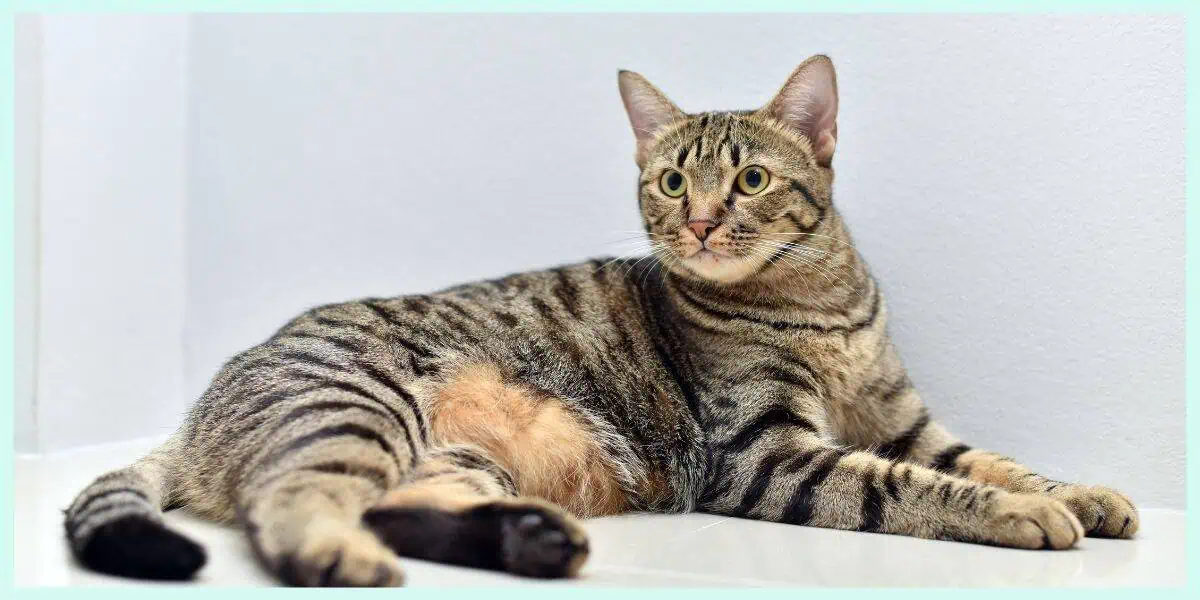
One of my favorite cat show judges describes the household pet class as the place you can see Mother Nature’s artistry at work. If you lined up ten domestic shorthairs, you’d probably see ten different “models.” That’s genetic diversity at work. Some have round faces, some have longer noses. Some are sleek and narrow, others are stocky and solid with a muscular build.
The domestic shorthair cat typically falls into a medium to large range, often around 7 to 13 pounds as adults, but it’s not a rule. Frame size, muscle, and lifestyle matter as much as genetics. A cat that grew up with steady meals indoors can look very different from a littermate that had a rougher start.
The coat is the one consistent clue. A DSH coat is typically short, lies close to the body, and feels plush or slightly coarse depending on the individual. Some shed lightly, some shed like it’s their hobby.
Coat colors and patterns you might see in a DSH
Domestic shorthairs come in nearly every color and pattern you can think of. Common ones include:
- Tabby (classic swirls, mackerel stripes, spotted)
- Solid (black, gray, white, red)
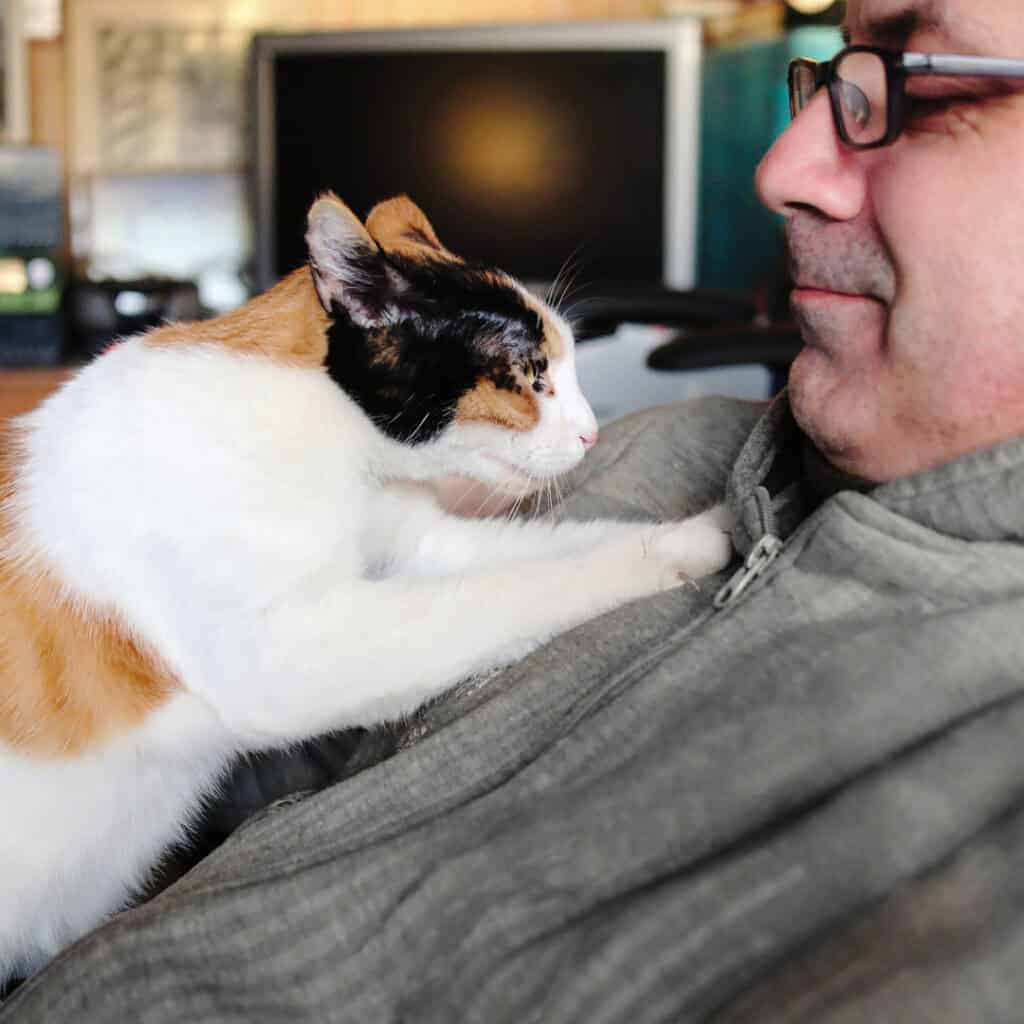
- Calico patterns (white with red and black patches)
- Tortoiseshell (mottled black and red)
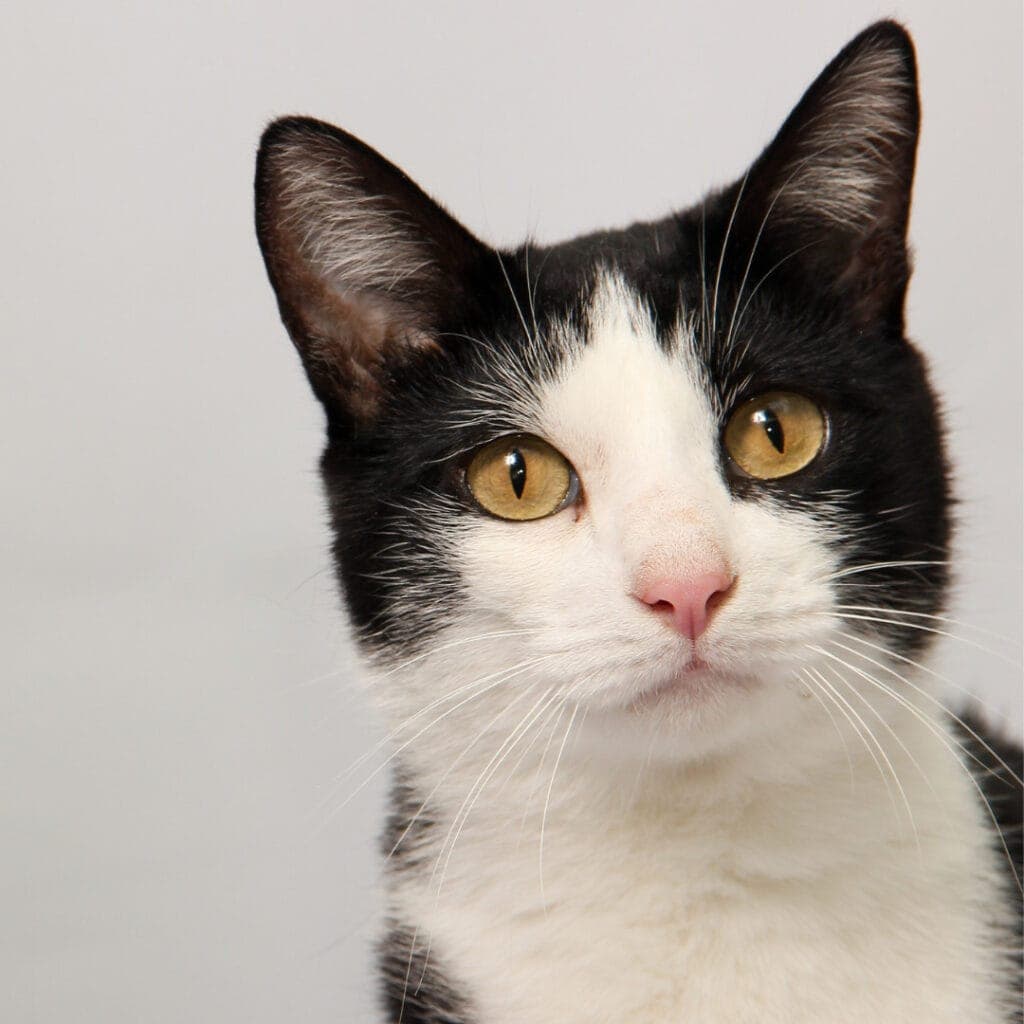
- Tuxedo (black or blue-and-white pattern)
- Bi-color and tri-color mixes
Eye color can be anything from green to gold to blue, and sometimes cats shift shades slightly as they mature. Sunlight can also “rust” black fur a bit, especially in cats who love window-basking.
Quick ID tips when you are meeting a cat labeled “DSH”
When you meet a cat labeled domestic shorthair, don’t waste energy trying to match it to a breed photo online. Some Domestic Shorthair cats do look somewhat like a particular feline breed, but any resemblance is more a coincidence than a genetic identification. Such resemblances are often used as a way to “market” their residents and make them more desirable to potential adopters.
The reality is that it doesn’t matter. Instead, focus on what does matter in real life:
- Coat length: short and close to the body. Whatever color is appealing to you.
- Overall condition: clear eyes, clean ears, healthy weight, smooth coat.
- Movement: comfortable walking, jumping, and turning.
- Behavior: curious, cautious, outgoing, or overwhelmed, all are normal in a shelter.
In other words, DSH is a category, not a “signature look.” Your best information comes from the cat in front of you.
Domestic medium hair and domestic long hair
You’ll also see DMH and DLH. These labels mean the same thing as DSH (mixed ancestry), but with different coat lengths.
- Domestic medium hair (DMH): a coat that’s longer than short hair but not fully long and flowing.
- Domestic long hair (DLH): fluffier coats, often with more feathering on the tail, legs, and chest.
Longer coats can mean more brushing and more mat risk, but the “domestic” part still means “not a specific purebred.” This history and care of your domestic cat is going to be generally the same despite the variety of the length of the cat’s coat.
History of the Domestic Shorthair Cat
The story of the Domestic Shorthair cat is the history of cats. Cats evolved from the African wildcat naturally over time. They developed a relationship with humans 10,000 or so years ago with the development of agriculture. The cats were pest control. They kept food storage safe.
Cats went along on the early explorations around the world and developed to fit in new surroundings and climates away from their desert origins. They arrived in North America on ships with the Vikings, the explorers, and the early settlers to serve the same purpose.
The Domestic Shorthair cat is considered a working cat because of her superb hunting instinct and skills. Watch your feline friends, they may never have the opportunity to catch a mouse, but they will display their hunting skills in their play.
Personality, Health, And Care: What To Expect When You Bring One Home
Domestic shorthairs don’t come with a personality guarantee, but many families love them for one big reason: they’re typically adaptable. A mixed background can produce cats that handle normal household life well provided they’ve been well-socialized.
Your cat’s temperament will be shaped by three things more than the DSH label: early experiences, current environment, and your daily routine.
Temperament basics: playful, calm, clingy, independent, any of the above
A DSH cat’s personality is as varied as their appearances can be. You can find whatever type of pet you’re looking for in a DSH cat:
- a cuddler who follows you like a shadow,
- a quiet “roommate” who likes being nearby,
- a playful goofball who chirps at toys,
- an independent observer who warms up slowly.
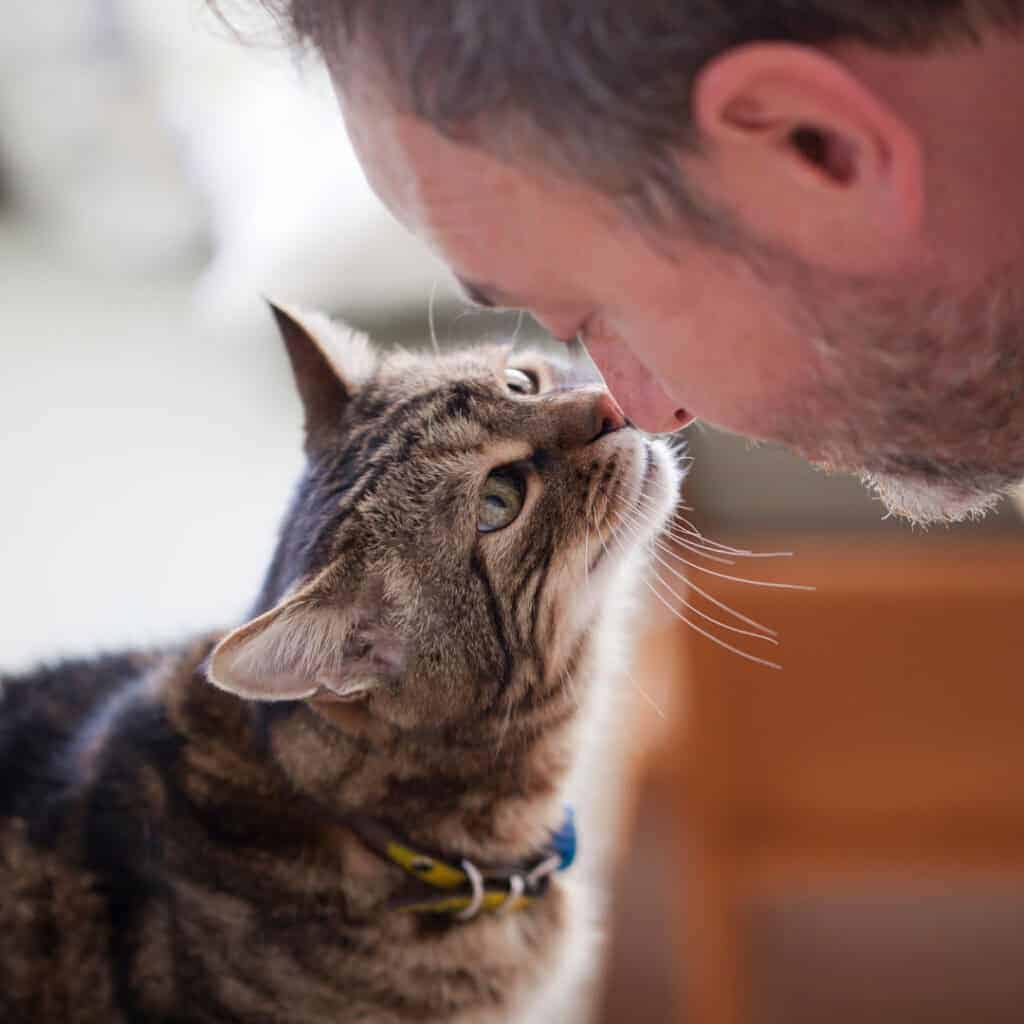
People often report that domestic shorthairs are friendly and good family pets, but it’s not magic. A confident cat that grew up around people will act differently than a cat that spent months outdoors.
If you’re adopting, ask about the cat’s current routine. Does it enjoy being held? Does it play with wand toys? Does it hide when visitors arrive? Those answers tell you more than any label and will help you choose the best cat for your family.
Grooming, feeding, and enrichment for a healthy indoor life
The Domestic Shorthair cat is low maintenance when it comes to grooming, but “low maintenance” doesn’t mean “no grooming.”
A realistic baseline looks like this:
- Regular brushing: once a week for many cats, more during heavy shedding.
- Nail trims: every couple of weeks, or as needed.
- Dental care: brushing is best, dental treats can help, and vet cleanings matter.
- Nutrition: measure meals to prevent obesity in cats, avoid free-feeding if weight is creeping up.
Enrichment keeps boredom from turning into trouble. Cats are tiny natural hunters with indoor jobs now, so give them outlets:
- wand toys for chase and pounce
- small balls or mice for batting
- scratching posts (vertical and horizontal)
- a cat tree or sturdy shelves for climbing
- puzzle feeders for “work” at meal time
Many shelters and vets recommend indoor living because it reduces risks from cars, parasites, toxins, and fights. It also protects wildlife. If you do allow outdoor time, a secure catio or harness walk is much safer than free-roaming.
Health and lifespan: the most common issues to watch for
Mixed ancestry can mean fewer breed-linked problems thanks to hybrid vigor, but domestic shorthairs still need the basics: vaccines, parasite prevention, and veterinary checkups.
Common issues to watch for are the same ones that affect many pet cats, including chronic kidney disease, hypertrophic cardiomyopathy, hyperthyroidism, and diabetes. Common problems that DSH cats, as well as breed cats, face include:
- Weight gain (often from boredom plus extra calories)
- Dental disease (bad breath is a common first clue)
- Parasites (fleas, worms, ear mites, especially with outdoor exposure)
- Injuries (falls, door escapes, cat fights)
- Infectious disease risks tied to outdoor contact (including bites and exposure to sick cats)
Lifespan varies, but many indoor DSH cats live 12 to 15 years, a typical cat lifespan, and some reach their late teens or beyond with steady care and an indoor lifestyle.
Is A Domestic Shorthair The Right Cat For You?
For many homes, the Domestic shorthair cat is the right choice, not because “DSH” is a special breed, but because mixed-breed cats are the ones most commonly available to adopt. They can also be a great match for first-time owners because you can choose based on the cat’s real behavior, not a breed reputation.
Real-life fit matters:
- Apartment living: a calmer adult DSH can thrive as indoor cats in smaller spaces with play and vertical climbing options.
- Busy schedules: an independent cat may do better than a high-need clingy one.
- Families with kids: look for a cat that’s been fostered or temperament-tested around children.
- Multi-pet homes: ask how the cat reacts to other cats or dogs, and plan a slow introduction.
Adoption also matters on a bigger scale. Recent reporting from U.S. animal shelters summarized in January 2026 suggests about 2.2 million cats were adopted in 2024, but many cats still enter shelters each year, and about 273,000 cats were euthanized in 2024. Choosing adoption helps shift those numbers in the right direction.
Questions to ask before adopting a DSH cat
Keep it simple and practical. A short set of questions can save you months of stress:
- What’s the cat’s energy level in the foster home or kennel?
- Any known litter box issues?
- How does the cat respond to handling (picking up, brushing, nail trims)?
- Friendly with kids or other pets?
- Any known medical history or ongoing meds?
- Are vaccines up to date?
- Is the cat spayed or neutered?
- Is there a microchip, and who is listed as the contact?
- Any known triggers (loud noises, fast movement, certain touch)?
If you can, meet the cat more than once. Stress changes behavior, and a second visit often shows you the “real” cat.
Choosing a cat by personality, not by label
Domestic shorthair is one of the most common labels you’ll see in cat breeds, which is another reason it doesn’t help much for predicting who your cat will be.
Instead, watch body language. A relaxed cat often has soft eyes, a neutral tail, and a willingness to approach. A scared cat may crouch, flatten ears, or hide. Neither is “bad,” but they need different homes.
A good adoption match is less like choosing a brand of shoes and more like choosing a roommate. The label gets you in the right aisle, but personality gets you the right fit.
Conclusion
A domestic shorthair cat is one of the short haired mixed breed cats, not a single purebred among cat breeds with fixed traits. That’s why DSH moggies can look completely different from one another, and why their personalities range from cuddle-bug to independent observer. With basic care, indoor safety, and steady enrichment, many turn into hardy, easygoing companions.If you’re considering adoption, focus on the individual cat, ask clear questions, and choose the one whose temperament fits your home best.