
Meet the Parlor Panther: The Bombay Cat
Last Updated on March 18, 2022 by Holly Anne Dustin
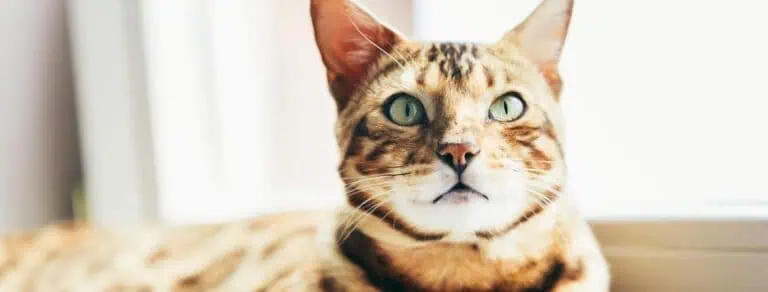
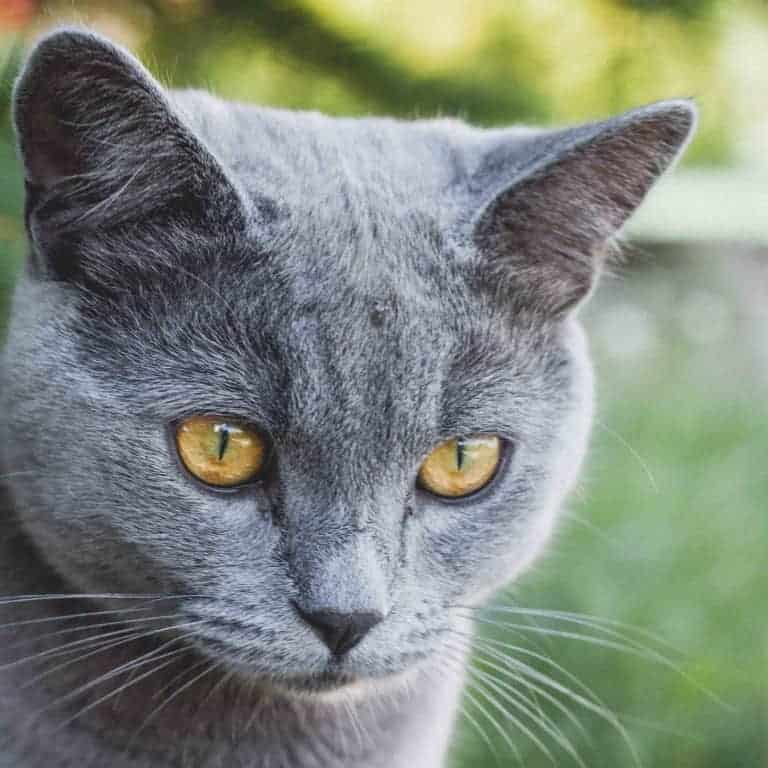
Not all black cats are Bombay cats, but all Bombay cats are black cats. Many breeds allow for black coated cats, but there is only one breed that is only accepted in black. If you have always wanted to live with a little panther, the Bombay cat might be for you.
This post may contain affiliate links. Life and Cats is a Chewy affiliate and a member of the Amazon Associates program and as such we earn a small commission when you shop through our our links and banners. It doesn’t change the amount you pay. You can read our full disclosure policy here.
Contents
History of the Bombay Cat
The Bombay combines the characteristics of two established domestic breeds to create a third look. US breeder Nikki Horner created the breed in 1953 from a cross of a sable Burmese and a black American Shorthair. The resulting cat looks like an Indian black leopard or panther, thus the name Bombay cat. She got the look she was hoping for in 1965.
Herb and Suzanne Zwecker further developed the breed. Bombays were officially recognized for championship status by the Cat Fanciers Association (CFA) in 1976 and in 1979 by The International Cat Association (TICA). CFA allows continued outcrossing to the foundation breeds. TICA doesn’t allow any outcrosses. The breed is also recognized in the American Cat Fanciers Association (ACFA) and the Cat Fanciers’ Federation (CFF.)
The Bombay is considered a rare breed because there are few preservation breeders working with the breed.
Appearance of a Breed Standard Bombay Cat
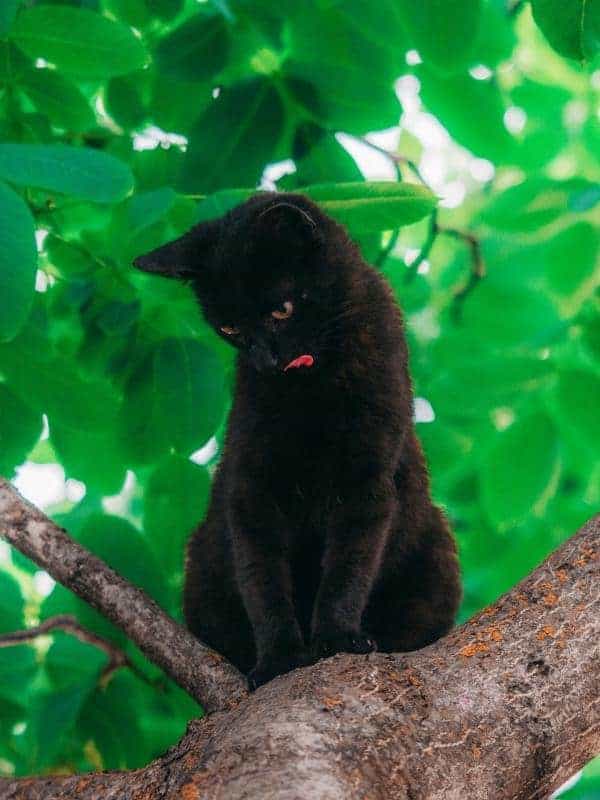
The Bombay is a medium-sized cat with a “patent leather” black coat. A Bombay is completely jet black without white spots, lockets, or random white hairs. Every hair in the fine, close, satin coat should be black from roots to tip. Even their nose leather and paw pads are black.
The coat color develops and darkens in kittens as they age. Bombay kittens should develop the breed’s distinctive coat sheen and brilliant copper penny colored eyes by 4 months old. The coat should be completely black by the time the cat reaches maturity at age 4.
Body
Your Bombay should have a substantial bone structure, good muscular development, and a surprising weight for its size. Their legs should be sturdy and in proportion to the body and tail. The paws are round. Polydactyl paws are not allowed for Bombays. Their tail is medium length tapering to a blunt tip. Males weigh between 8 to 11 pounds and females 6 to 9 pounds.
Head
A Bombay’s head is rounded with no sharp angles. They should have a full face with wide set eyes. Their muzzle is short and moderately round. They have a moderate stop to their nose on profile but they do not have a flat face. The end of the nose is slightly rounded down. The Bombay chin should be firm, neither receding nor protruding, reflecting a proper aligned bite.
Ears
Like the rest of the cat, a Bombay’s ears should be medium sized. They should be set well apart and give the cat an alert appearance. They are broad at the base and tilt slightly forward. The ear tips should be rounded.
Eyes
The eyes are one of the most striking features of a Bombay cat. They are wide-set, large, round, and expressive. A Bombay cat has a sweet expression. Eyes must be gold to brilliant copper. Green eyes are a disqualifying feature.
The Personality of Bombay Cats
Bombay cats have been described as a combination of a dog, a cat, and a monkey all rolled into one. They are active, inquisitive, and highly intelligent which means they may get into things you’d rather they didn’t explore. They’ll happily learn tricks, walk on a leash or play fetch. You may even find your Bombay wants to join you for a swim. A Bombay cat’s playful and adaptable nature makes the breed a good choice for families with children.
Bombays enjoy being the center of attention and depend on the company of their owners. If you are looking for a cat that will spend time talking to you, a Bombay might be a good fit. Bombays are a sociable and chatty breed. They like to be in charge of their household.
Like it’s foundation breeds, the Bombay is an affectionate cat. Bombay’s love to cuddle. They love heat and you’ll likely find your Bombay tucking himself into bed with you. They love their sun puddles. Provide your Bombay with a heated bed and she will love you forever.
Bombays become depressed if left on their own for too long. If you’re going to be out of the house a lot reconsider getting a Bombay or at least get two. Provide them interactive toys, cat puzzle games and cat trees to keep them busy when you are otherwise occupied.
What Health Problems Do Bombay Cats Have?
Bombays are a generally healthy breed. They are prone to hypertrophic cardiomyopathy, a common form of heart disease in cats. The typical diseases of cats such as renal failure, thyroid disease, diabetes and dental problems also affect Bombays.
Although the Bombay doesn’t have the extreme face that a Persian or British Shorthair does, their shorter muzzle may cause the cats to have breathing problems in cats with an inappropriate pronounced break in the muzzle.
Bombay cats inherit a craniofacial defect from their Burmese foundation breed. It is occasionally seen in kittens which are born with extremely deformed heads.These kittens don’t survive so it will not affect a kitten you purchase. Breeders need to take care not to breed cats that carry the gene for the defect.
The life expectancy of a Bombay cat is 12 to 16 years, similar to the average cat.
How to Feed Your Bombay Cat
What do Bombay cats eat? Pretty much anything they can find. Bombay cats don’t know how to stop when it comes to food. They don’t need a special diet but you’ll need to watch how much your Bombay eats. They are real chowhounds and are prone to obesity. Offer a good quality cat food and limit the treats
How to Care for Your Bombay Cat
Bombay’s require very little grooming. A Bombay’s satiny, short coat that doesn’t need much maintenance. A weekly rubdown with a rubber brush like the Zoom Groom and an occasional bath will keep his coat in shape. A quick polish with a leather chamois will impart the satin shine Bombay’s are known for.
Check out my favorite grooming tools for shorthaired cats like the Bombay.
Is the Bombay Breed Hypoallergenic?
There really are no hypoallergenic breeds. Some people react or more or less to particular breeds but it is hard to predict and not guaranteed. Having said that, the Bombay is a low shedding cat. Some people find their low maintenance coat triggers less of a reaction.
Are Bombay Cats Good Pets?
The Bombay might be a good pet for you if you are looking for a cuddly lap cat that will also entertain you with it’s mischievous antics. The breed’s easy care requirements and generally hearty health make them a good choice for people that don’t want a high maintenance cat. Families may find Bombay cats a pleasing choice because they get along with kids, dogs, and other animals.
The average price of a Bombay cat typically ranges from around $700 to $2000+ depending on the quality of the particular kitty and his or her pedigree.
The Bombay not the right choice for you right now? Check out our other breed profiles here.