
How to Choose the Right Kitten for Your Family (A Practical, Feel-Good Guide)
Last Updated on January 5, 2026 by Holly Anne Dustin
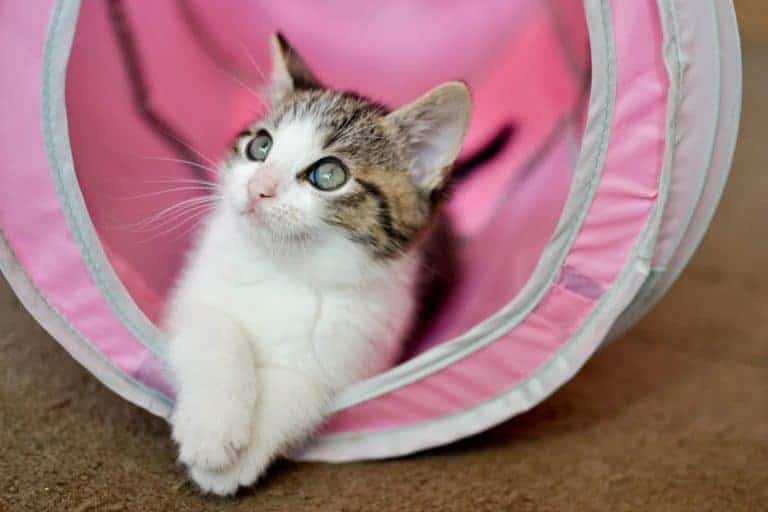
Congratulations, you’ve decided to add a new kitten to your family! Whether you choose a pampered Persian purebred or that sweet little tiger cat reaching her paws out to you at the local shelter, you enter into a special relationship that will last for the next 15-20 years.
A kitten isn’t a spur-of-the-moment decision. You’re inviting a living creature into your home the rest of it’s life. That means you’re not just picking a cute face, you’re picking a daily rhythm, a personality, and a set of needs that will grow and change.
This guide is a simple way to make choosing new kitten feel calm and clear. You’ll learn how to match a kitten’s energy to your lifestyle, how to read temperament during a meet and greet visit, and what health questions to ask.
Contents
- 1 Start With Your Family, Not the Cutest Face
- 2 What Type of Kitten Are You Looking For?
- 3 “Purr-sonality” Profiles
- 4 How to Read a Kitten’s Personality in 15 Minutes
- 5 Health, History, and Where You Get Your Kitten Matters
- 6 Costs: Adoption Fees, Pedigree Prices, and the First-Year Budget
- 7 Kittens Are Better in Pairs
- 8 Conclusion
- 9 More in this Series
Start With Your Family, Not the Cutest Face
A kitten can fit into many homes, but not every kitten fits into every home. Before you meet any kittens, picture a regular Tuesday. Not a holiday, not a “we’ll be better soon” version of life, just the real thing.
Think about your basics:
- How many hours is the house empty most days?
- Is your home quiet, loud, or somewhere in between?
- Do you like a busy routine or a slow one?
- Is there room for a tall cat tree, a litter area, and play space?
- Are you ready to play every day, even when you’re tired?
This isn’t about passing a test. It’s about avoiding the common mismatch: a kitten who wants a party, and a home that wants peace. Or a kitten who needs calm, and a home full of grabby hands, sudden hugs, and fast feet.
What Type of Kitten Are You Looking For?
Do you want a purebred or mixed breed? One of those adorable little domestics you’ll see at your favorite rescue group will make you a perfect pet. But if you plan to show your new kitten, or if you have specific considerations like allergies or space restrictions, you might need to work through a reputable breeder. Start your search by checking with the major associations for registered breeders or attending a cat show in your community. Keep in mind that no quality breeder will ever place their kittens for sale in a pet store.
Male or female. Does it matter? Some say that male cats are more adaptable and sociable than females but there isn’t a lot of scientific evidence to support that. Males do spray if they aren’t neutered young. Females in heat are quite loud and annoying and may also mark territory. Those issues will be solved by getting your kitten fixed young.
Long hair or short? How much time do you have to spend grooming your baby? Both long and short-haired cat will need some maintenance. Short-haired cats actually shed more than long-haired cats but long-haired cats are more prone to matting. You’ll need to do more brushing and combing on a longhaired kitty or find a good groomer.
Favorite color? Is there really such a thing as tortitude? Do black cats really bring bad luck? Dilute vs. dominate color? According to the general theory, black cats are wild and friendly while white cats are shy. Bi-color cats are typically resourceful and curious and tabbies are usually great mousers. One rhyme reads that orange cats are mellow fellows, but another theory says that just like redheads in humans, the red gene gives red, calico and tortoiseshell cats an extra attitude.
In general, the color should never be more than a tie-breaker between two winning kittens. If you want to learn more about cat colors and patterns, we have a guide here.
What kind of personality do you want your kitten to have? Will a talkative cat drive you crazy? Do you have the time and space for a highly active cat? Will your new kitten need to be adaptable to all kinds of new situations? You want the kitten’s personality to match your family to set Kitty up for greatest success.
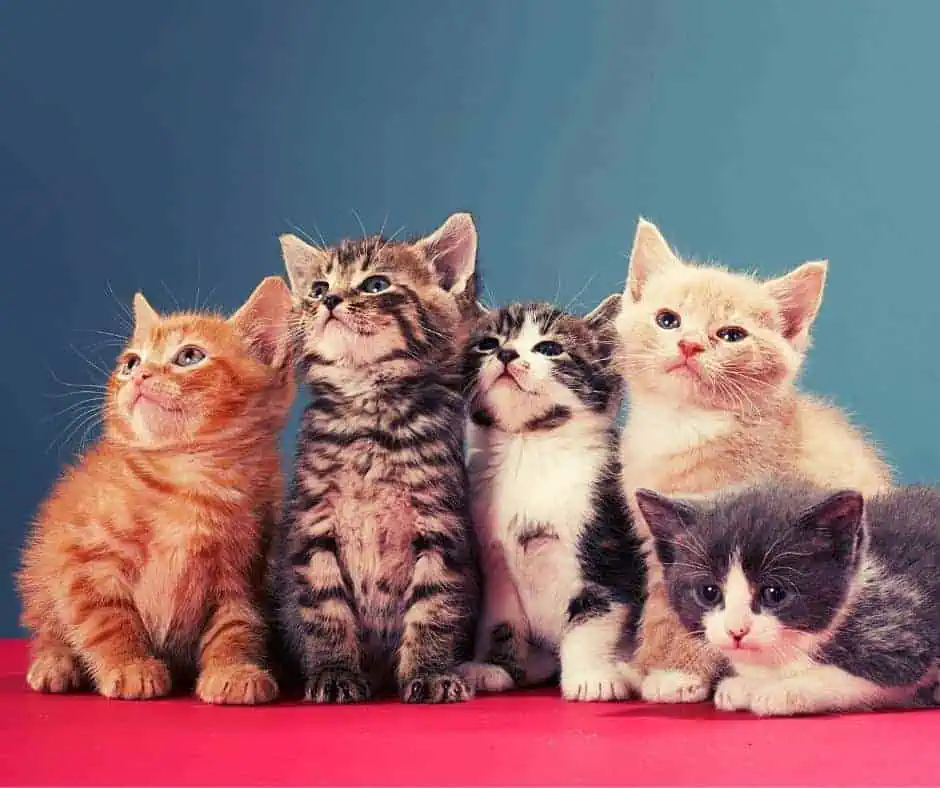
Match kitten energy to your household rhythm
Kittens are a bit like little wind-up toys with opinions. Some wake up ready to sprint, climb, pounce, and chew. Others have a softer pace, they play hard for a bit, then melt into a nap like a dropped scarf.
An active home often does well with a high-energy kitten. If you have older kids who love playtime, or you work from home and enjoy frequent breaks, a bold kitten can be a joy. They’ll want more interactive play, often in short bursts throughout the day, climbing spots and toys that move. Their ideal people live in a home that doesn’t mind a little chaos and know it is going to take a little while the kitten learns manners.
A quieter home appreciates a calmer kitten. If you work long shifts, prefer quiet evenings, or want a cuddle-focused cat, look for a kitten who can ramp down. A kitten may fit in a quieter family if he relaxes after play instead of winding up. He appreciates gentle handling and won’t wrestle with every hand. He’ll go explore a bit and then return to you rather than bouncing off the walls.
Why does this matter? Boredom and pent-up energy can turn into scratching, biting, and midnight zoomies. Overstimulation can also lead to aggression. These behaviors don’t mean a kitten is “bad.” They mean the match isn’t a good one, or the daily routine of the household needs work.
Think about kids and other pets
A kitten can be a wonderful first pet for children, but the fit matters. Little kids move fast and grab without thinking. Some kittens find that exciting. Others find it scary.
Any child will need to learn how to properly handle and interact with the new kitten. But if you have younger children, choose a kitten who:
- Stays curious when approached
- Accepts gentle petting without stiffening
- Recovers quickly after a surprise sound or movement
If you have other pets, personality matters even more. A confident, curious kitten often adjusts faster, especially if the home already smells like a dog or cat. A shy kitten can still do great, but they may need a slower pace and extra space. Take into account your resident pets. Is your resident cat going to be willing to accept a new pet? Does your dog chase small animals? A bold kitten might be more able to tolerate having to work for his place in the family. A shy kitten would be terrified.
Allergies are part of real life too. If allergies run in your family, spend time around the kittens before you commit to choosing the new kitten for your family. Hold them, sit in the room, and see how you feel later that day. If you’re unsure, talk to a doctor. It’s better to do that now than after a kitten is attached to you.
“Purr-sonality” Profiles
High-Intensity Kittens: Fearless, never-ending bouncing barrels of energy. The one chasing all the tails and pouncing on his littermates. This kitten will be the most active and fun, potentially great if you have children in the house, but might be lonely and depressed alone. They will be easily bored. They will need a lot of playtime and places to climb.
Low-Intensity Kittens: Calm and self-confident. These kittens can handle most anything. They will happily join in games with their siblings but aren’t usually the instigators. They are just as happy to curl up in your lap and purr. The kitten that is willing to play but isn’t the one to start the games will likely be a more laid back adult.
Shy Kittens: Think about what you are looking for in a pet, if you are looking for a mellow cat then don’t overlook the shy kitty overshadowed by her more outgoing siblings. If she is still willing to be handed she might make the perfect pet for you.
A kitten that isn’t willing to engage is probably not a good choice. It could have health problems or lack proper social skills.
How to Read a Kitten’s Personality in 15 Minutes
A meet and greet visit can feel like speed dating with fluff. Kittens tumble over each other, climb your shoe, then ignore you completely. It helps to have a simple plan so you don’t get swept away by the cuteness.
Also, remember this: every kitten can have an off moment. Shelters can be noisy, unnatural spaces, new people can be scary, and some kittens need a few minutes to warm up. Look for patterns, not perfection. Listen to the shelter workers, foster families or breeders who have been raising the kittens to get them ready for adoption.
Related Post: Temperament Testing for Kittens
Look for confidence, curiosity, and a calm recovery from surprises
Start by watching before you touch. Stand or sit quietly for a minute. Let the room settle.
Notice a few things:
Approach: Does the kitten come closer to investigate, even if they hang back at first? Curiosity is a good sign, especially for first-time owners.
Play style: Offer a wand toy or a small ball. Many kittens will chase, but watch how they handle excitement. Do they get wild and stay wild, or do they pause and reset?
Bounce back behavior: Try a gentle, normal sound, like softly tapping your keys or shifting a chair. A well-adjusted kitten might startle, then return to play or sniff around again. That “startle, then recover” pattern is often a green flag.
Red flags for many first-time homes:
- Constant hiding with no curiosity, even after time and space
- Intense rough play that doesn’t soften when redirected to a toy
- A kitten who seems shut down, very still, or unusually limp
Shy kittens aren’t a lost cause. Some become the sweetest cats once they trust you. The question is whether you have the patience and calm home they need right now.
Use gentle handling tests that don’t stress the kitten
Handling matters because life comes with chores. Nails need trimming. Ears need checking. A cat carrier needs to exist without drama. A kitten who tolerates light handling is often easier for beginners.
Keep it short and kind. Think seconds, not minutes.
Pick up briefly: Support the chest and back legs. See if the kitten relaxes or stays tense. A little wiggle is normal. Panic isn’t.
Touch paws: Lightly touch each paw, then stop. This helps you predict future nail trims.
Touch ears and mouth area: A quick, gentle touch near the ears and lips can hint at how vet checks might go.
What happens when you handle the kittens? Do they struggle and bite or scratch when you pick them up? They might need more socialization. Most kittens will wiggle some, they want to go run around and you are a stranger to them after all.
If you have young children, allow them to interact with the kittens. If the kitten you are considering is frightened by little kid noise and activity look for a different kitten.
Watch for how the kitten communicates. A kitten who pulls away, then returns is often fine. A kitten who freezes hard, growls, or tries to bite with real force may need an experienced home, more time, or a calmer environment.

Health, History, and Where You Get Your Kitten Matters
You can find a wonderful kitten through a shelter, rescue, foster home, or a responsible breeder. Each path can lead to a great companion. The goal is the same: a kitten who has had good care, honest records, and safe early handling.
Check over the kitten you choose carefully from nose to tail. You want to choose a healthy, well-adjusted kitten. Don’t be impulsive and take the first cute kitten you see. And heartbreaking as it is, think twice before choosing a sick cat hoping to rescue it. You don’t know what you will be getting into long term.
What to Look for in a Healthy Kitten
Eyes: Make sure the kitten’s eyes are bright and clear. The third eyelid should not be showing. There should be no discharge or mucus in her eyes.Kitty’s eyes should be fully open and focus normally. Play with her a bit and see if she can follow a finger. Some breeds, like the Siamese, are prone to being cross eyed. But it can also be a symptom of serious health problems like feline leukemia, hydrocephalus, and cancer.
Ears: Kitty’s ears should be a normal color. For most that will be pink skin color. Some dark color cats will have darker ears, and some have patterns in their skin. There should be no odor or black waxy discharge. That can be a sign of mites or a yeast infection. The kitten should not be scratching at his ears or shaking his head.
Nose: Kitty shouldn’t have a snotty or runny nose but slightly damp is normal.The skin should not be flakey or cracked. He shouldn’t be sneezing or coughing. His breathing shouldn’t be loud. Any congestion or wheezing could signal a respiratory infection, pneumonia, or asthma.
Mouth: A healthy kitten’s gums should be healthy and pink. Pale gums are a sign of anemia. Inspect his mouth for sores and ulcers. Look at the roof of his mouth. You’re looking to see that his mouth developed completely without a cleft palate. That would require surgery to repair and make it difficult for kitty to eat without aspirating and getting pneumonia. His teeth should be straight and meet properly top and bottom. Beware a snaggle tooth or underbite if you’re looking at Persians.
Skin and Coat: A healthy new kitten should have a coat that is glossy and soft, not greasy or stiff. It should be clean without any gritty debris or dandruff. Check her for any evidence of fleas or mites. She shouldn’t be scratching, have scabs, rashes, or missing fur.
Body Condition: Kittens need a symmetrical body with no random lumps or bumps. Their ribs and backbone should not feel sharp or jagged. That is a sign of an underweight and potentially unhealthy kitten. On the other hand, a swollen or “potbelly” likely means the kitten had worms. A normal tummy on a recently fed kitten should be rounded and pleasing plump but not hard or tight. Kitty’s privates should be clean. There should be no sign of tapeworms under the tail. The fur should be clean and not matted with no signs of diarrhea or poo in the hair, no bald areas or red skin. Legs should be straight and the kitten should be coordinated when she runs and plays. A head tremor or start and go “drunk”’look could indicate a neurological problem.
What to ask about vaccines, deworming, and vet records
Asking questions about the kittens background and health isn’t rude. They’re loving. You’re protecting your family and the kittens, making sure you are choosing the right kitten for your family. Ask for the basics in plain terms. A good organization or breeder will answer clearly and show paperwork. You should get a veterinary health certificate and a copy of Kitty’s records from the rescue or breeder when you pick up your healthy new kitten.
Must-knows:
- Age and current weight
- Vaccine dates and which vaccines were given (FVRCP is a common core vaccine for kittens)
- Testing for FIV/FeLeuk and any diseases common to their breed if a pedigreed kitten (HCM/PKD etc)
- Deworming schedule and what was used
- Flea prevention used (and when)
- Microchip status (already done, or planned)
- Spay or neuter plan (already completed, scheduled, or your responsibility)
Watch for warning signs during your visit:
- Runny eyes or thick eye gunk
- Frequent sneezing or noisy breathing
- Dirty ears, dark debris, strong odor (could be ear mites or infection)
- A round, bloated belly paired with poor weight gain (can be worms)
- Low energy, hiding, or a kitten who doesn’t play at all
Plan a vet visit within 72 hours of bringing your kitten home. Even if everything looks perfect, that first check builds a baseline and catches issues early. Some issues are treatable. Many shelter kittens come with minor colds that clear up. What matters is transparency, treatment plans, and whether the kitten is stable enough to go home. Know what your responsibility is if the kitten gets sick. Does the organization or breeder offer any guarantees?
Shelter or breeder, what good care looks like
Good care has a look and a feel. You can sense it when people are proud of their animals and ready to say no when a match isn’t right.
Signs of good care include::
- Clean litter areas and no strong ammonia smell
- Kittens with bright eyes and clean noses
- Social time, toys, and signs of gentle handling
- Asking you questions too (about your home, schedule, and experience)
Avoid impulse buys from parking lots, pop-up meetups, or online listings with no vet records. If the seller dodges questions, rushes you, or won’t show living conditions, walk away. The right kitten for your family won’t come from a poor or sketchy situation.
Costs: Adoption Fees, Pedigree Prices, and the First-Year Budget
Money isn’t the most romantic part of kitten love, but it shapes stress. When you plan costs upfront, you avoid painful choices later.
Prices vary by region and by organization, so treat these as common ranges, not promises. Always confirm local fees and what they include.
Typical upfront costs: rescue kitten vs pedigreed kitten
Rescue and shelter adoption fees often include major medical basics, which can make them a strong value. Pedigreed kittens usually cost more upfront, and medical costs may be separate.
| Cost category | Rescue or shelter kitten (typical range) | Pedigreed kitten from a breeder (typical range) |
|---|---|---|
| Adoption or purchase price | $75 to $300 | $1,000 to $2,500+ |
| Spay or neuter | Often included, or discounted | Should be included. If not, you might want to consider working with a different breeder. |
| First vaccines | Often included, may be partial series | Often started, confirm records |
| Microchip | Sometimes included | Usually included |
| Health guarantee | Varies | Often included in writing |
A higher price doesn’t always mean better care. A lower fee doesn’t mean corners were cut. Look at records, conditions, and honesty.
The first-year costs of raising a kitten
The first year is usually the most expensive. Kittens need vaccine boosters, parasite prevention, and they grow fast. They also destroy things in creative ways if they’re bored.
Common first-year expenses:
- Veterinary care: initial exam, booster shots, fecal test, spay or neuter if not done, and any treatment for parasites or minor illness
- Food: quality kitten food costs more than adult food, and they eat a lot for their size
- Litter and litter supplies: steady monthly cost
- Gear: carrier, bowls, scratching posts, a cat tree, grooming tools, baby gates or playpen items if needed
- Enrichment: wand toys, kicker toys, puzzle feeders, and replacement toys as they wear out
- Pet insurance or savings: optional, but many first-time owners appreciate the safety net
Here’s a realistic way to think about it:
| First-year expense | What it usually covers | Common range |
|---|---|---|
| Veterinary basics | exams, vaccines, parasite checks, spay or neuter if needed | $300 to $1,200 |
| Supplies setup | carrier, litter box, scratcher, bed, toys | $150 to $400 |
| Ongoing monthly needs | food and litter (varies by brand and location) | $40 to $100 per month |
| Emergency cushion | unexpected illness or injury | $200 to $1,000+ (as a fund) |
If you’re on a tight budget, plan for a shelter kitten whose medical basics are already handled. Ask about low-cost spay or neuter clinics and vaccine programs in your area. Many communities have support, but you have to ask early.
Related Post: Budgeting for Your Cat
Kittens Are Better in Pairs
Consider adopting a pair, especially if your schedule means your new kitten will be spending a lot of time alone or if you have an elderly cat in the household.
Two kittens are double the fun; they will keep each other company when you aren’t home and they’ll be less likely to tear up your house or bother an older family pet. You definitely want to get a pair if you choose a high-intensity kitten.
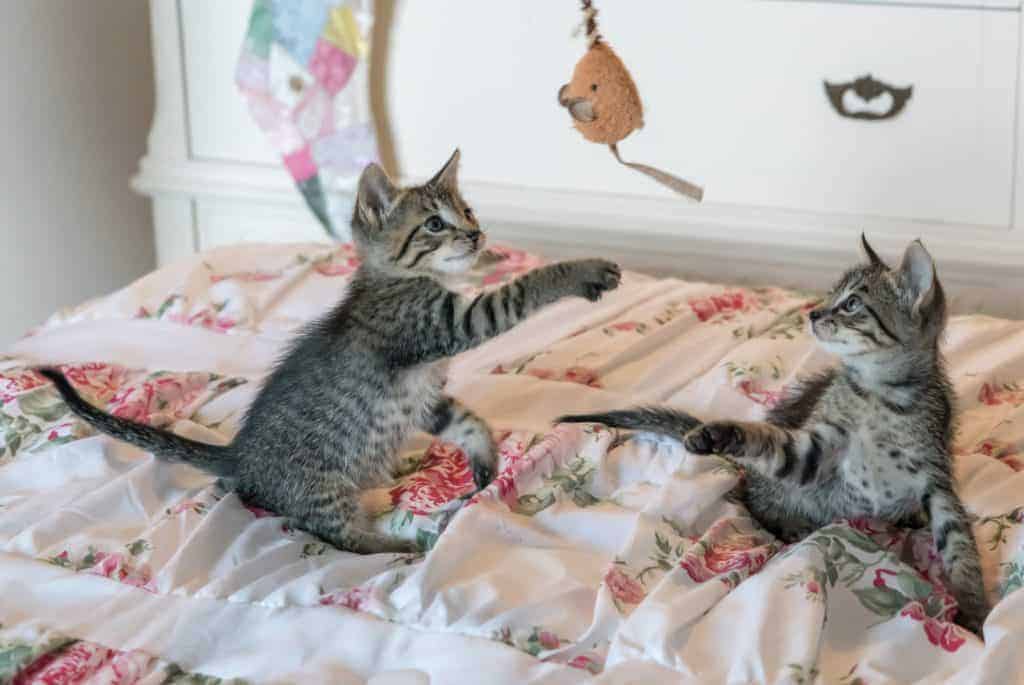
Kittens should stay with their mom and littermates until they are at least 14 weeks old for best socialization, but 8 weeks is often the norm when adopting from shelters. Once you have selected your kitten you can prepare your home and family for the new arrival.
Conclusion
The right kitten isn’t the one that looks best in your arms for ten seconds. It’s the one whose energy fits your home, whose temperament feels steady over time, and whose health story is clear and documented. Take notes during visits, ask direct questions, and give yourself permission to walk away if something feels off.
When you focus on fit and care, choosing new kitten starts to feel simple, like finding the missing piece that was already shaped for your family.
Best wishes for a long and happy life together. There is nothing like the bond with a feline friend. If you find these tips helpful check back for more cat related care and relationship guides and share on social media.

More in this Series
Choosing Your New Kitten
Bringing Home Your New Kitten
Kittenproofing 101
Introducing Your New Kitten
Bond with Your New Kitten
The Best Way to Introduce a Dog to a Cat
Can Cats and Kids Live Together