Is Your Cat a Star? Your First Household Pet Cat Show
Last Updated on May 12, 2021 by Holly Anne Dustin
You’ve been to a cat show and you are sure your furbaby is just as unique and beautiful. Can “a regular cat” go to shows and win ribbons? Yes, they can! Welcome to your first household pet cat show.
Most cat clubs offer a household pet (HHP) class for random bred cats and purebred cats with disqualifying faults. There is no written standard for HHP as there is for the purebred classes. Any healthy, clean cat with a pleasing personality is eligible to show. Kittens can show as soon as they are 4 months old. If they are over 8 months old, they must be spayed or neutered. Some associations don’t accept declawed cats.
Contents
How Do You Make Your First Household Pet Cat Show a Success?
Socialize Your Cat
Get Kitty used to new experiences. Take him with you in the car. Walk around a local pet superstore. Go to a warehouse-style store to get used to the noise and wide open atmosphere. Let other people pet him. The more you can get him used to a show-style environment the better off he will be in the show hall.
Sign Up for the Show on Time
The closing date will be on the show listing. You can sign up online. Mention in your entry that you are a new exhibitor. They can seat you by someone who can help you navigate the show hall process.
You can show one time with a “pending” registration number. That will let you find out if your kitty likes the game before you pay the recording fee to register him. You can claim the points you earned after the show.
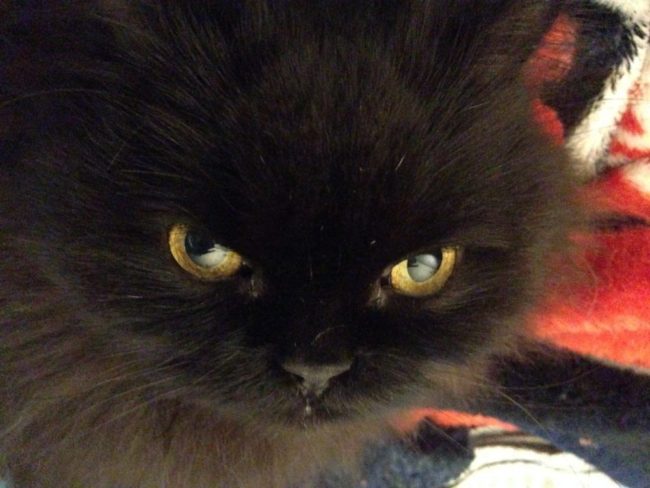
The show registration will ask for your cat’s color and breed. Obviously you’ll select Household Pet for your cat. You want to select HHP even if you are showing a faulted or presumed to be purebred cat like my Plush. Colors can be a challenge for some cats. I have a guide to colors and patterns here.
Learn more about how cat shows work by reading our FAQ here.
Read the Show Listing

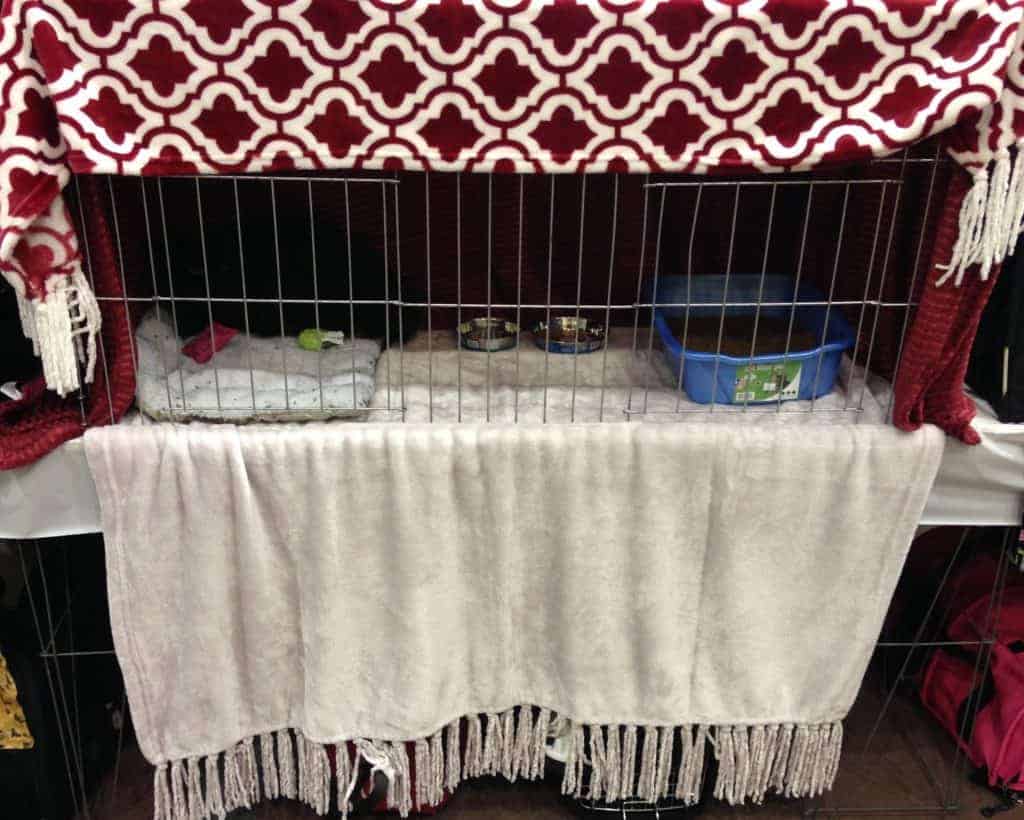
The show flyer will tell you if the club will provide a cage or if you must bring your own. Most shows have a cage service. There are standard size cages which will vary depending on where you live. The show listing should tell you what is standard. A standard size in the Eastern US is around 22 inches square.
I recommend renting the cage space the first time before dropping money on a cage of your own in case you or your cat end up not enjoying the show experience. But pay for the extra half cage; 22 inches is not much space for your cat. It is not enough space for you and your stuff. You need to store your carrier and supplies under your cat’s enclosure.
Your rented space includes the cage space, the space underneath it and the chair space in front, even if no one rents the other half of your space.
The show listing will give the address of the show venue and recommend nearby pet-friendly hotels. Book your hotel room early, the show block will often sell out.
The flyer will tell you if you need to bring your own litter or if the club will offer it. You will need to bring your own litter pan either way.
Pay Your Fees
You’ll get an email confirming your details that will include the instructions on how to pay your fees. If you register and later cannot attend you still have to pay. Bring cash if you register late and have permission to pay at the door. Exact change will endear you to the entry clerk.
Groom Your Cat
Trim their nails, front and back. Check ears, eyes, and butt before each ring. Brush your cat to remove all mats and tangles. You can run a small lint roller over Kitty to pick up loose hair and dander right before you put him in the ring. You can spritz them lightly with a bay rum finish spray or one of your choosing. DON’T make it overwhelming.
Show cats get bathed. The judges will expect the same level of cleanliness in the HHP class as they do in the championship classes. It is one of the few written standards for the class. Wash your cat the day before the show. Call a good groomer that knows how to groom cats if you can’t give your cat a bath yourself. You will not get the good quality presentation the judges look for if you use a waterless bath or dry shampoo.
You will develop a grooming routine for your cat as you show. Breeders can advise each other on grooming but it is a trial-and-error process with household pets. No other exhibitor’s cat has the same coat type or texture.
Pack Your Bag
What do you need to bring to your first show? I have gone to a show with a bag packed to the zippers and never used half. I have shown up missing half the things I needed. You will adjust your list over time.

My cat show checklist includes:
This post may contain affiliate links. Life and Cats is a Chewy affiliate and a member of the Amazon Associates program and as such we earn a small commission when you shop through our our links and banners. It doesn’t change the amount you pay. You can read our full disclosure policy here.
- Carrier: Your cat must arrive in the show hall in a carrier. Don’t use a cardboard carrier. I also bring a leash and harness.
- Cage Display: Your cage and cover or curtains for the rented cages. A towel or blanket to cushion the bottom of the cage. A bed or hammock for Kitty. The flyer will tell you if the club is sponsoring a decorating contest. You can get elaborate with cage displays to fit the show theme. If you buy an enclosure Sturdi Products and One For Pets appear to be the most popular.

- Litter Supplies: A box big enough for the cat to use and not make a huge mess. You can get portable or disposable boxes and just toss the whole thing at the end of the show. You’ll need a scoop and bags to dispose of the waste. I bought a roll of dog poop pickup bags which work great. Puppy training pads under the box prevent the cage from getting soiled and makes hotel room clean up easier. The club usually provides litter for the hall but you must bring your own for your hotel room unless you carry the box back and forth.
- Grooming Tools and Products: Nail trimmers, combs, and brushes for your cat, wipes or paper towels, cotton swabs, cotton balls, make-up remover pads. Any products you use on your cat’s coat (anti-static spray, finishing spray, powders, eye envy etc.) mini lint brush to roll off any dandruff if you are showing a black cat.
- Food, Water, and Treats: Small dishes for food and water. Bring your cat’s favorite treats! Don’t give them anything they don’t normally eat. Bring water from home too, or buy bottled. You don’t want to deal with any tummy trouble in the show hall. If you have a long-haired cat, consider putting a bib on them between rings to keep their fur neat. You can buy them, or a coffee filter works just fine.

- Clean Up: Trash bags. Sometimes the club provides one. I like to bring one so I don’t have to walk to the other side of the show hall to throw away a treat wrapper. Bring an extra bag for the hotel, don’t leave the litter box for the hotel staff. A mini dustpan and brush. Microfiber towel or a roll of paper towels for spills and accidents. Hand sanitizer.
- Comfort: Mini fans or cooling mats to keep you and your kitty comfortable in the warmer weather. You can get little fans that hook up to your smartphone or a tablet. A sweater or fleece jacket. Some show halls are ridiculously over air-conditioned in the summer or just cold in the winter. Pain reliever for you. Rescue remedy or other anti-anxiety drops for your cat.
- Boredom Busters: small toys for your cat, a lure toy to get their attention, no lasers though. A pack of cards, a book, a battery pack for your phone or tablet with games on it. There’s a lot of downtime between rings.
- Paperwork: Bring a copy of your show registration, the confirmation, your rabies certificate, and any other required paperwork. Highlighter and pens to mark your catalog and record your placements. Binder clips to attach cage curtains and ribbons.
- Cash: food available in the show hall is likely to accept cash only, raffles and vendors may also prefer cash.
- Bag or box to pack it all in.
- Wagon or luggage cart if your containers don’t have wheels.
Check-in On Time:
The show listing tells you what time “benching” will take place. You’ll need time to set up your space and your cat will need time to adjust to the new experience. Plan to check in early. Judging will start on time and they won’t wait for you to figure things out.
When you check in, you will get your catalog. Check your listing to make sure it has the correct color, age, and ownership listing. Tell the master clerk if the information isn’t correct.
Be sure you know your cat’s catalog number. That’s the number you will need to listen for when clerks are calling classes to rings.
Find Your Benching Area and Set Up
Your catalog will give you an “address” of a row and space. They will mark the row letters on the end tables. Your last name or cat number will be on your table.
Set your cage up first. You will need to cover the top and 3 sides of your cage to make sure you and the cat next door can’t see each other. Your cat will appreciate the privacy. Don’t invest in expensive cage covers for your first show. You can fashion something from towels, sheets or tablecloths. I used three fleece blankets for cage curtains for my first season before investing in a security cage. Know your local rules. The show flyers or the association’s website will tell you what is acceptable.
You will have gotten a schedule with your catalog. Highlight or mark the ring assignments for your HHP. Listen for the clerks to call your class and number to the ring because the schedule will change during the day.
You can leave your set up in the hall overnight if the show is a two-day show but your cat can’t stay. I just take the litter box, scoop, bags, food and water with bowls, puppy pads, a comb and brush, my mini dustpan set and a trash bag back to the hotel.
Follow the Rules
Be a good neighbor. Don’t take up more than your own allotted space or use tools or supplies that don’t belong to you. Never open a cage or touch another exhibitor’s cat without permission even if they will miss a class. Be friendly with the visitors to the show, they might be your neighbor at the next show. You want to be a good ambassador.
People walking with a cat get the right of way. When moving around the hall don’t let your cat come face to face with another cat. The kitties aren’t used to being around other cats. Be careful taking your cat out of the judging cages.
You don’t talk to the judges during the class, and you don’t question your results or placement. In the standards-based classes, you can find another breeder to help you figure out why your cat might not be performing well. In HHP it can be hard because of the subjective nature of the scoring.
Sometimes a judge just won’t favor the cat you are showing. They have their preferences for what they think is the ideal household pet. Some judges don’t think apparent purebreds or purebreds with faults belong in the HHP class. Others prefer short-haired cats. Some reward a great grooming job on a long-haired kitty. Sometimes it comes down to the fact that your cat reminds the judge of a cat they had as a kid.
Have Fun!
Don’t worry about your cat’s placements. This is a learning experience for both of you. Household pet cat shows are a great way to spend special time with your feline friend. Watch the judging of the other classes. Shop the vendors. Make friends with the other HHP exhibitors.
For more information on getting started showing your household pet visit the Cat Fanciers Association’s NewBee page and Household Pet page, The International Cat Association’s Household Pet page. If you show in another part of the world contact the association sponsoring the show.
If you have any questions about getting started showing household pets feel free to get in touch. Drop a comment below of get in touch with me on Facebook.