

Hug Your Cat: It’s Good for your Health!
Contents
Summary
Just spending 15 minutes with your furbaby will improve your well being and have a positive effect on your physical, psychological, social, and emotional health. Having a cat is a plus for children, for single people and for seniors. Cat's have been known to reduce stress which can reduce heart disease. Cats are great for mental health. Research supports the fact that cats help people with PTSD and autism, anxiety and depression. People who have a bond with cat have better social relationships and stronger community.
Last Updated on January 14, 2026 by Holly Anne Dustin
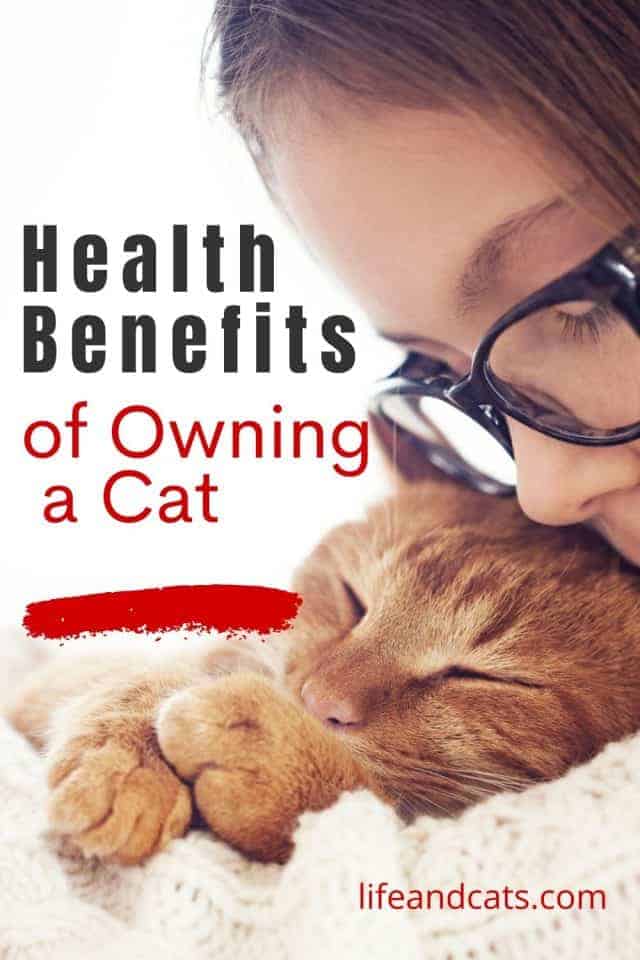
June 4th is Hug Your Cat Day. Today would be a good day to give your cat an extra snuggle of thanks for all the scientific health benefits of owning a cat. Just spending 15 minutes with your furbaby will improve your well being and have a positive effect on your physical, psychological, social, and emotional health.
“Pets are powerful, positive influences on our lives, offering unique emotional, psychological and physical health benefits to their owners,”
Dr. Douglas Aspros, former president of the American Veterinary Medical Association.
Cat Lovers Have Better Heart Health
The average pet owner lives longer than someone who doesn’t own a pet. Living with a cat reduces the stress hormone in your system. Petting your kitty lowers your blood pressure and reduces cholesterol.
Cuddling your kitty reduces your risk of heart disease. Cat owners have 40% less risk of a heart attack. Their risk of stroke is reduced by 30%. Heart patients had improved cardiac function after a visit from a therapy pet.
Playing with your cat can help keep you fit, especially if you teach him to walk on a leash and take him hiking and adventuring with you.
Purring Reduces Pain
Pain relief is one health benefit of cat’s purring. Joint replacement patients use fewer pain medications if they receive pet therapy.
Hugging your cat releases oxytocin and endorphins which are powerful pain relievers. A cat’s purr provides therapeutic benefits for joints and bones. Purring increases bone density and reduces the risk for osteoporosis. Broken bones heal faster in patients that own cats.
Cat guardians report less health complaints like headaches and backaches.
Health Benefits of Owning a Cat for Children

Exposure to pets strengthens a baby’s immune system. Children that grow up with pets have fewer allergies, eczema, and a lower risk of asthma. They have fewer ear infections and respiratory problems.
There appears to be therapeutic benefits in cat ownership for children with autism. Autistic kids are calmed by cats. They are more likely to have positive social actions after interacting with their cats. They value the relationship with their kitties as much as typically developing children do. Petting cats increases empathy and feelings of affection.
A Scottish survey of youth ages 11-15 that lived with a cat had a higher quality of life than those that didn’t. The more bonded they were with their cat the more likely they were to report that they were less sad, less lonely, more energetic, focused better, and enjoyed life more.
Cats Reduce Stress
Hugging your cat reduces stress and anxiety. Petting a cat for 15-30 minutes increases serotonin and lowers depression. A cat’s purring can have a similar effect to meditation.
Cats can help the grieving recover from their loss. They serve as a social support and help them work through their feelings. Cat guardians report feeling less negative emotions and feelings of seclusion.
Forty-one percent of people say they sleep better because of their cats, according to the Mayo Clinic.
Single people with cats are in a bad mood less often than people with no pets, and people with cats and a romantic partner.
Psychological Health Benefits of Having a Cat
Even watching cat videos on the internet can increase positive emotions. Taking care of keeping a cat safe and happy can offer a sense of purpose.
Cats provide companionship and unconditional acceptance. A 2003 study compares having a relationship with a cat to having a romantic relationship.
Cats do not deserve their reputation for being antisocial or opportunistic. They seem aware of their human’s moods and act in ways that help to relieve their anxiety, stress or depression.
Felines make excellent therapy pets for those suffering from PTSD, anxiety disorders, and depression. A cat’s cry elicits a similar human emotional response as a baby’s cry. Their kitty’s need for care and maintenance can give a depressed person a powerful reason to keep going. A feline friend can be a lifeline for people, especially those who don’t have communal or family support.
In a 2011 survey by Cats Protection, 87% of cat owners with mental health issues said their cats had a positive impact on their well-being. Over 70% said they coped better with daily life.
An Australian study on mental health benefits of cats reports that cat owners have better psychological health than people without cats. Cat people claim to feel happier and more confident, focus better, and face their problems more successfully.

Emotional and Social Health Benefits of Owning a Cat
In addition to the physical and psychological health benefits of owning a cat, our feline friends improve our social life.
Cats are a natural conversation starter. Women report an attraction to men that have cats, seeing them as sensitive and intelligent.
Taking care of a pet can bring a family together. Cat people are more trusting of others than people who don’t have pets. They are more sensitive, open minded, and aware of the feelings of others.
People who have a firm bond with their pets have stronger relationships and more connections in their community. Cat owners are typically more compassionate, modest and trustworthy and less calculating.
Cat lovers are typically introverted, but they are likely to take on a leadership role in their social circles, be open-minded, unconventional thinkers, creative and imaginative, intelligent people.
Cats Reduce Loneliness
Having a feline friend reduces loneliness. Loneliness carries an increased risk of Alzheimer’s Disease.
Cats can help the older population increase overall well being. Although some rescue groups refuse adoptions to older people, matching a senior cat with a senior citizen can be a win for all.
Conclusion:
See, there’s definitely a reason to give Kitty that extra hug today. We benefit physically, emotional, and socially from living with our cats.