
Tips for Creating Harmony in Your Multi-Cat Household
Last Updated on October 19, 2021 by Holly Anne Dustin
Cats have a reputation for being solitary, aloof, animals who walk by themselves to paraphrase Rudyard Kipling. In fact, while they do hunt alone rather than in packs, cat are social creatures. However, blending cats into a harmonious multi-cat household requires meeting the territorial needs of individual cats within the family. It takes effort from the human family members to prevent or correct behavior problems in the multi-cat home.
Contents
Cats Are Social
“Cats are social and enjoy the company of their own kind. We’ve shown in our research of feral and stray outdoor cats that they often form complex social groups. They groom one another, pay attention to one another and play together; they wouldn’t do that if they were solitary.”

Related Post: Living with Multiple Cats
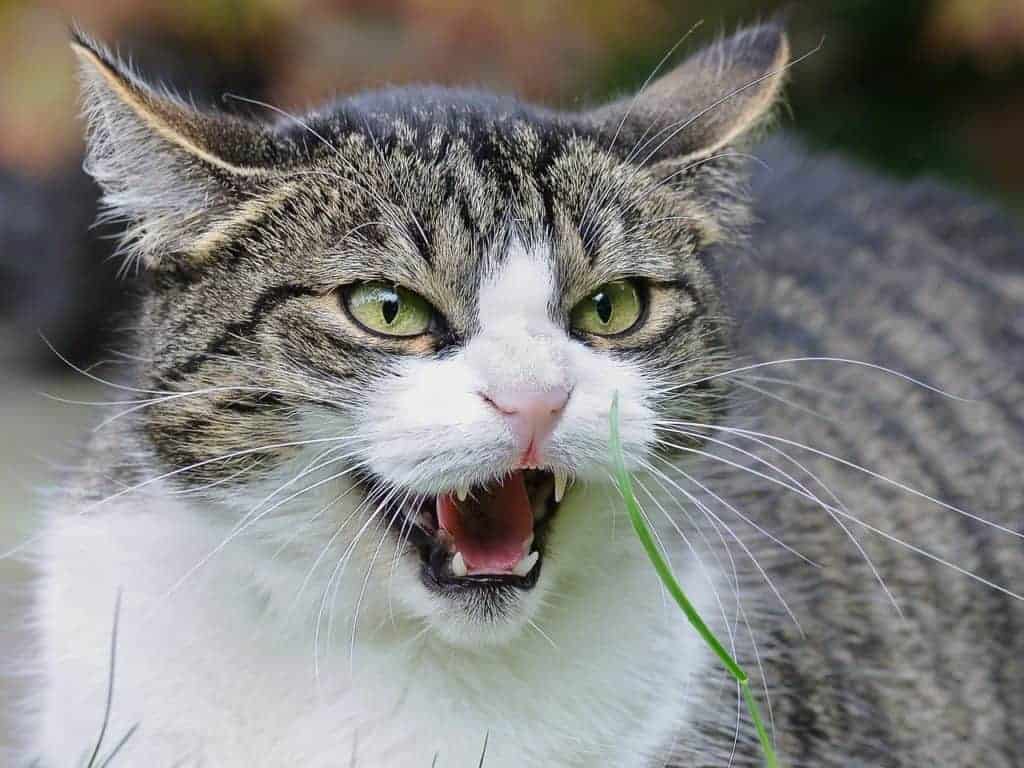
Multi-Cat Household Aggression:
Sixty percent of multiple cat owners report they have experienced tension between their cats within the last 12 months. Aggression is the second most common reason for surrendering cats; after the all-important litter box issues.
There are different types of aggression that can occur in a multi-cat household. Managing introductions well and making sure everyone has adequate access to resources and spaces are the crucial pieces to the puzzle of preventing, or at least reducing, multi-cat household aggression.
Territorial Aggression/Resource Guarding:
A cat that feels his territorial needs aren’t being met, or has decided his roommates are a threat, may take up resource guarding. If you notice one of your cats is reluctant to use a litter box, watch the behavior of the other cats in the home.
Is someone lurking around the corner every time Kitty tries to get near the box? Does another cat pounce on him every time he heads down the hall to the bathroom or come charging out every time he exits? Same thing with food bowls. If a bully cat is lounging by the dinner dish a submissive cat will not risk it.
Play Aggression:
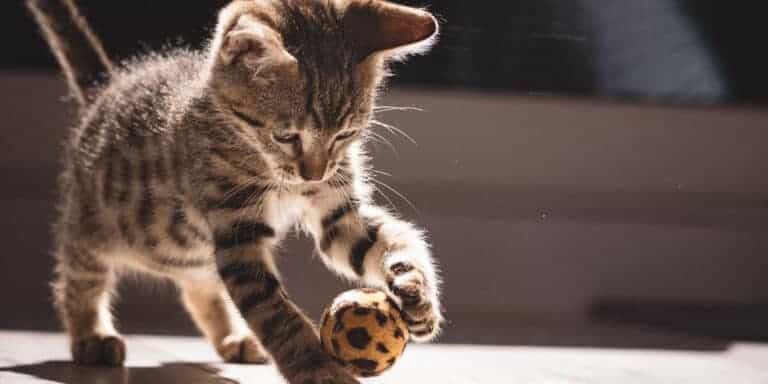
Most common in young cats, play aggression is typically an issue between a bored solo kitten and her humans. But it can be a problem in a multi-cat home when a kitten joins an older cat family. Not all senior cats are willing or able to tolerate the shenanigans of a youngster.
Maternal Aggression:
Mama cat is protecting her litter. In a family situation, her humans may get a pass, but it might be better to just leave her alone as much as possible the first couple of weeks. Keep any intact males away from her and her litter. A very stressed mother cat may kill her kittens.
Social Maturation Related Aggression:
All is well until a cat reaches the age of 1-3 and your cats are now battling it out. If you’ve ever lived with teenagers, this that life stage in cats. Your younger cat has reached maturity and is challenging to find their place in the cat society of your multi-cat home. This is worse if the cats are intact, but happens even among desexed cats.
Redirected Aggression:
Fear or stress response. Something upsets kitty and he takes it out on an unsuspecting victim. A stray cat in the yard may set off a war between two friendly cats inside the house. The cat that comes home smelling like “vet”, or a guest in the house can all cause an aggro response in a sensitive kitty.
This can be the most dangerous kind of aggression when Kitty directs it at you. It can be a difficult thing to sort out among a family of cats. Sometimes you have to look beyond the obvious. One cat who attacks a companion might be responding to being bullied by a third cat.
This post may contain affiliate links. Life and Cats is a Chewy affiliate and a member of the Amazon Associates program and as such we earn a small commission when you shop through our our links and banners. It doesn’t change the amount you pay. You can read our full disclosure policy here.
Add Excitement: Environmental Enrichment for Multi-Cat Household
- Reconsider the environmental set up for your home. Choices reduce stress and territorial disputes. Make sure you have set up your house so your cats have choices for where to dine, sleep, eliminate and play.
- Providing enrichment in terms of puzzle feeders, water fountains, access to a “catio”, tunnels and toys can reduce boredom and give Kitty something else to do besides annoying his siblings.
- Give the cats spaces to spread out and claim territory. Think vertical; so cat trees, shelves, bookcases, top of the fridge and add hiding places low to ground. Add a variety of scratching posts the cats can use to mark their territory and work out stress.
- Think about traffic patterns. Jackson Galaxy calls it the cat superhighway. Offer multiple travel routes through the house with different entrance and exit strategies for each room. A bully cat can’t block them all at once. Cats prefer to flee, or avoid each other, rather than fight. Physical aggression is the last resort.
Peace and Harmony: Tips for a Happy Multi-Cat Household
- Make proper introductions.
- Make sure each cat gets individual attention. Grooming, playing, snuggles all around!
- Lots of high and low spaces, beds, scratchers and places to hide for private time if they want it
- Encourage collective fun. Treats and playtime make spending time together a positive experience.
- Get everyone spayed or neutered.
- Have plenty of resources. Multiple litter boxes. Offer food and water bowls in separate areas.
- Try adding Feliway diffusers and calming music designed specifically for cats.
- Don’t let a kitten harass an older cat. Wear the baby out with lots of playtime.
- Patience. Take the time to understand your cats.
- Build the bonds that count.

Don’t “Think Outside the Box:” Litter Boxes for the Multi-Cat Household
- Multiple cats need multiple boxes. The general rule for litter boxes in a multiple cat home is one box per cat plus one extra.
- Don’t stick them side by side in the basement either. In a cat’s mind that is just one big litter box.
- Spread the boxes out across the levels of your house and in different rooms.
- Don’t put the boxes in high-traffic areas or somewhere you have guests.
- Keep the boxes cool. The heat of a heater or a washer/dryer can make it smellier.
- Don’t put your cat’s food and water bowls around their litter box. You wouldn’t want to eat in the bathroom, neither does your cat.
- Loud sounds or scents will discourage your cat from using the box.
- Keep the boxes clean.
If you are dealing with behavior problems in your multi-cat home, the sooner you intervene the better. The more in-depth and ingrained the issues become the harder it will be to break it. My favorite book on harmonious multi-cat home is Cat vs. Cat by Pam Johnson-Bennett. It is worth a visit to the vet to make sure everyone is healthy. If you are still having problems, then connect with a behaviorist.
Hop over to Facebook and share your multi-cat challenges or read on for more tips on how to give your cats the best life possible.