
15 Best Breeds of Cats for Families
Last Updated on May 12, 2021 by Holly Anne Dustin

Best Cat Breeds for Families
- Burmese: A highly intelligent, playful cat that enjoys human companionship. They are affectionate, curious, and like a busy family life. They are not overly demanding but are better in pairs if they are going to be alone during the day. An outcross of the Burmese, the Bombay, is another cat that is a good fit for families with children.
- Cornish Rex: The Cornish Rex loves people. The Cornish is an active cat that really wants to take part in family life. It is an athletic cat that likes to climb and jump.
- Japanese Bobtails: The J-Bob is one of the most kid-friendly breeds. It is full of energy, playful and loving. They are very good at learning tricks, always a winner in the agility ring, and takes easily to walking on a leash. They are very people oriented and will be happy to “help” you with household chores or answering your email.
- Ragdolls: A larger breed that is often described as “puppy like.” Ragdolls are laid back and friendly. They love to be snuggled and usually don’t mind playing dress-up or riding around in your little girl’s doll stroller. Ragdolls rarely extends their claws when they play making them suitable for younger children.
- Siamese: Siamese cats are intelligent, affectionate cats that love to be in your lap and in your face. They are inquisitive, loving, and talkative.
- Oriental: Like their Siamese cousins, the Oriental cats are curious and social. They are affectionate, vocal, and full of energy. All the Oriental breeds of cats need lots of attention.
- Siberian: The Siberian is personable, good with kids, and enjoys the company of other animals. It is a fearless, easy-going breed. Siberians love toys and stay playful throughout their life. If your family includes a dog a Siberian can fit in well with proper introductions. Some people with allergies find that Siberians do not trigger a reaction despite their long, dense, triple coat.
- Sphynx: One of the hairless breeds, the Sphynx is loveable active breed. They have loads of energy. They want to be with you, on you, or showing off for you. Sphynx cats prefer human company but can get along with other cats and with dogs. Sphynx need regular bathing and are not necessarily hypoallergenic though some people find they do not react to them.
- Devon Rex: The Devon has been described as a “cross between a cat, a dog, a monkey, and Dennis the Menace.” They remain kittens at heart. Devons get lonely easily and are unsuited for long periods of time alone. Get a pair of kittens if you don’t have a cat that will bond with your Devon. They will keep you endlessly entertained playing fetch and learning tricks. These guys love attention as long as they are treated with respect. Devons are very food driven. They are reasonably dog friendly but would prefer another cat buddy.
- Tonkinese: Tonks are outgoing cats. They’ll meet your guests at the door. They’re friendly, active, and loving. They will play fetch and might even ride on shoulders
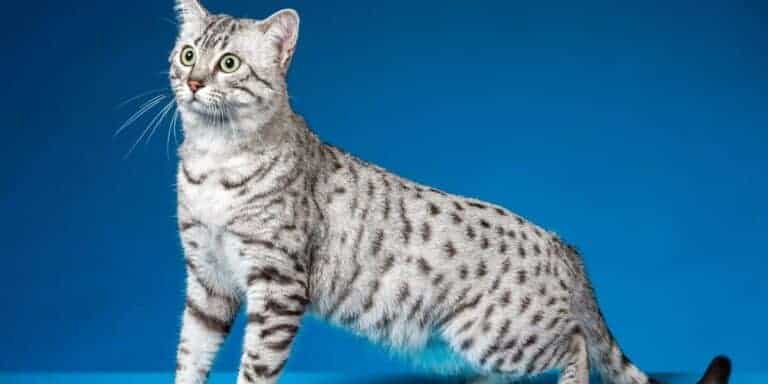
- Egyptian Mau: Fiercely devoted to his family, the Mau is busy. He likes to stalk and fetch. Egyptian Maus are great at agility. They are exceptionally intelligent, interactive cats.
- Turkish Angora: Turkish Angoras are a national treasure. They are generally comfortable with kids and other animals. Your Angora is going to be the “alpha pet” despite their welcoming nature.
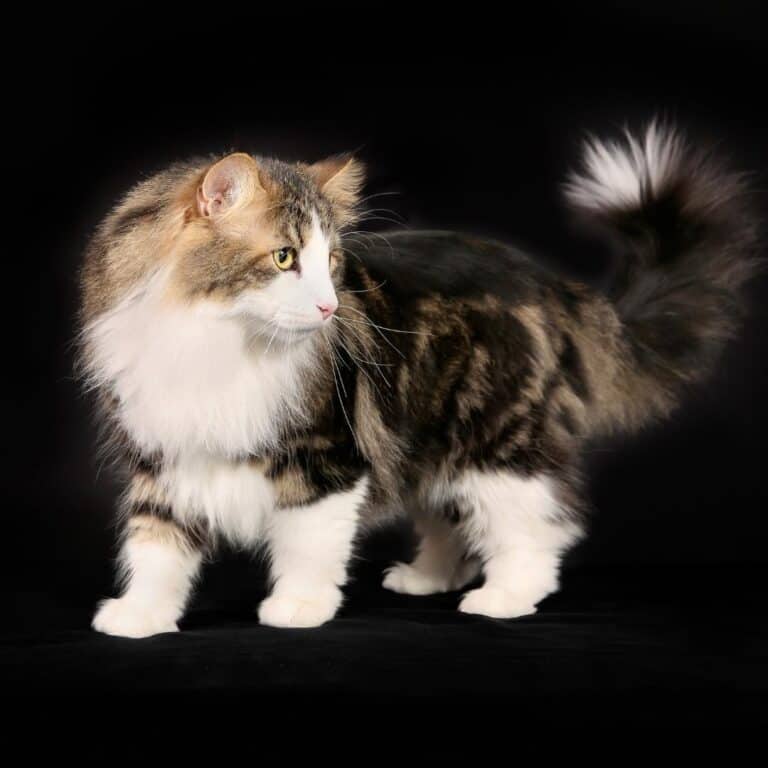
- Maine Coon: These big cats are gentle giants. They are extremely affectionate, sweet-natured, intelligent cats. They are often used as therapy cats or emotional support cats. Maine Coon cats are always described as “dog like” for the way they relate to people. They do need regular grooming.
- Abyssinian/Somali: very people-oriented. These breeds are smart enough to get away from toddlers but loves school-age kids because they are fun to play with. These breeds are easily trained and love to show off.
- Domestics: Everyone remembers their first cat. The brown tabby kitten, the big cuddly red tomcat, the pretty tuxedo cat. I’ve never been in a household pet class at a show where at least one judge picks the winner because it reminds them of their childhood cat. Visit your local rescue. Look for an organization that works on socialization and will let you visit with a lot of cats.
For more information about these breeds and others visit the Cat Fanciers Association.
Considerations When Choosing a Cat for Your Kids
Every cat is an individual. You can’t guarantee the personality of any cat; but certain breeds are better fits for family life than others. The biggest advantage of purchasing a pedigreed cat is that you know the characteristics of the breed . That will help you choose a breed to fit in your home. Breeders typically put a great deal of time into properly socializing their kittens before sending them to their new homes.
It is harder to predict the temperament of a random-bred cat but they usually fit in very well in the family especially if started as kittens. Spend time with a lot of cats and kittens to select one that is well socialized and will suit your family.